Back to Posts
Nizwa Souq

Nizwa Souq

F
Farees
4 min read·Sep 28, 2024

The Heart of Heritage

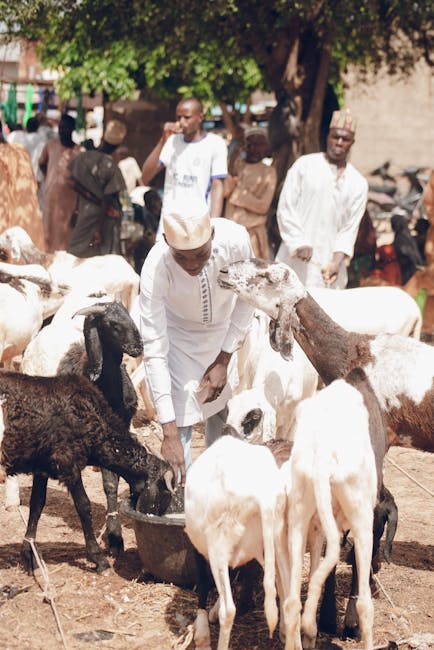
Nizwa Souq is a massive, beautifully restored complex built from traditional mud-brick and stone. It sits directly in the shadow of the colossal Nizwa Fort, making the entire area a fortress of history. Unlike the more touristy Muttrah Souq in Muscat, Nizwa remains a "working" market where locals from the surrounding mountains and desert come to buy their daily essentials, from live goats to mountain honey.

Things to Do

  • Witness the Friday Goat Market (Al-Mun?d?h): This is the highlight of Nizwa. Every Friday morning starting around 6:30 AM, local farmers gather in a circular pavilion to auction goats and cattle. It is loud, chaotic, and fascinating—a true glimpse into traditional Omani commerce.
  • Sip Kahwa with the Date Merchants: Head to the dedicated Date Souq. You can sample dozens of varieties, from the succulent Khalas to the dark Fard. Most sellers will offer you a small cup of Omani coffee (Kahwa) as you browse.
  • Watch Artisans at Work: In the silver and handicraft sections, you can often see silversmiths engraving Khanjars (traditional daggers) or craftsmen weaving palm fronds into mats.
  • Climb Nizwa Fort: After shopping, head next door to the Fort. Climb the massive circular tower for a 360-degree view of the city, the emerald-green date plantations, and the rugged Hajar Mountains.
  • Places to See

  • The Silver Souq: Famous for having the best silver in Oman. Look for the intricate jewelry and heavy "Maria Theresa" thaler coins once used as currency.
  • The Pottery Section: Nizwa and nearby Bahla are famous for their clay work. You’ll see rows of "Jahla" (water coolers) and incense burners stacked high outside the shops.
  • The Spice & Herb Hall: Follow your nose to the section filled with sacks of frankincense, dried rose petals from Jebel Akhdar, saffron, and mountain thyme.
  • Omani Halwa Factory: Look for shops where they stir Halwa (a sticky, sweet dessert made with saffron and rosewater) in giant copper pots over an open flame.
  • Trip & Itinerary Advice

    Best Time to Visit

    Day of the Week: Friday is non-negotiable if you want to see the livestock market. If you prefer a quiet experience, any weekday morning is lovely. Time of Day: 6:00 AM – 9:00 AM. The market starts early. By 11:00 AM, many shops close for a midday break and the heat becomes intense. Season: October to March for the most comfortable walking weather.

    Pro Tips

    Parking: On Fridays, the main lot fills up by 6:30 AM. Arrive early or park in the nearby wadi (riverbed) area, but be careful of parking fees—Nizwa now uses a paid SMS parking system in most central areas. Dress Code: This is a conservative interior city. Both men and women should ensure shoulders and knees are covered. On Fridays, locals dress up, so showing respect with your attire is particularly appreciated. Bargaining: It is expected in the silver and antique sections. Be polite, smile, and aim for a 10-20% discount. Prices in the food and date sections are usually fixed.

    Suggested Half-Day Itinerary

  • 6:30 AM: Arrive in Nizwa and head straight to the Livestock Market.
  • 8:00 AM: Once the auction winds down, walk through the Date Souq for breakfast samples and coffee.
  • 9:00 AM: Explore the Silver and Pottery Souqs before the day gets too hot.
  • 10:00 AM: Enter Nizwa Fort (5 OMR for tourists) and climb the tower for the view.
  • 11:30 AM: Grab a fresh Shawarma or a bowl of Harees at a local eatery near the souq entrance.
  • 12:30 PM: Head to the nearby Birkat Al Mouz to see the ancient ruins and the UNESCO falaj system on your way back to Muscat.
  • Comments (0)

    Sign in to comment

    Create a free account or sign in to join the conversation.

    No comments yet. Be the first to comment!