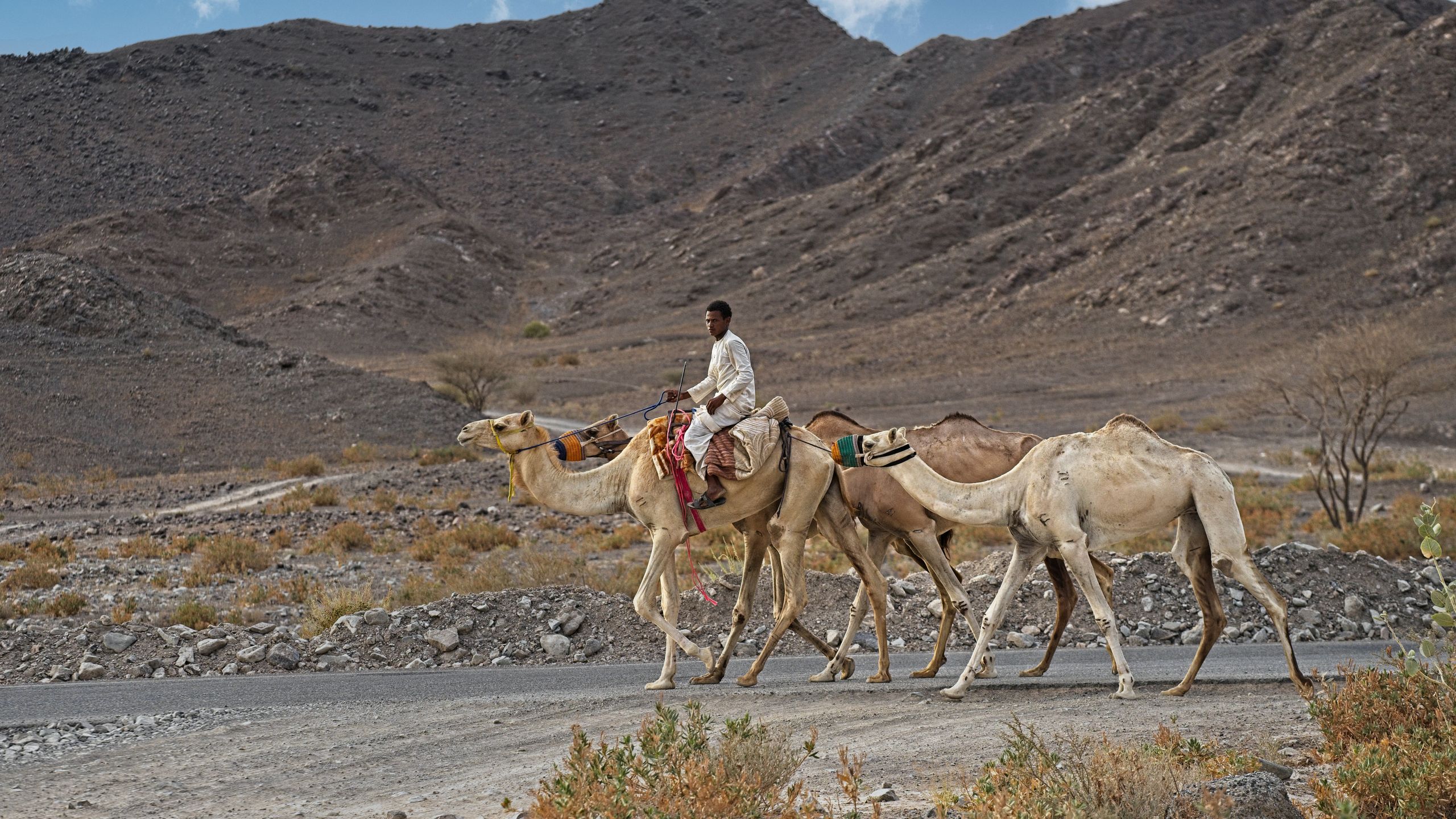
Camel Trekking in Oman: Beyond the Ride
Camel trekking in Oman isn't just about riding a camel; it's about surrendering to the ancient rhythm of the desert, a profound connection to a land and culture that often goes unnoticed by those seeking only the thrill of the ride.
Forget the notion of a simple, bumpy tourist trap. My friend, when you climb atop a camel in Oman, you're not just embarking on a journey across sand dunes; you're stepping back in time, opening yourself to an experience that will recalibrate your senses and quiet the chatter of the modern world. I've spent countless hours traversing these golden sands, both on foot and atop these magnificent creatures, and I can tell you, the desert whispers secrets to those who listen patiently. If you've ever dreamt of feeling the vastness of an endless horizon, smelling the crisp, clean air, and truly understanding the spirit of Bedouin life, then you're in the right place. Let me guide you through what to expect, the best places to go, and how to make your camel trekking adventure in Oman an unforgettable chapter in your travel story.
The Unseen Magic of Camel Trekking in Oman
My first proper camel trek was years ago, deep in the Sharqiyah Sands. I remember feeling a mix of apprehension and excitement as the guide, a kind man named Salem whose family had lived in these sands for generations, introduced me to my camel, ‘Sahara’. She was a stoic, beautiful creature with long eyelashes that blinked slowly, surveying her domain. As she lumbered to her feet, first her back legs, then her front, I felt a gentle lurch, suddenly elevated, viewing the world from a new, majestic height. It wasn't just a physical change in perspective; it was a mental shift.
From that moment on, the desert transformed. The golden dunes, once just impressive mounds of sand, became rolling waves, each crest and trough a new vista. The silence was profound, broken only by the soft padding of Sahara’s feet on the sand, the occasional snort, and the gentle creak of the saddle. The air, initially feeling hot, soon became a comforting embrace, carrying the faint, earthy scent of dust and, surprisingly, a hint of something floral from distant desert shrubs. I felt the sun on my skin, not harsh, but warming, and the subtle breeze caressing my face. It was an immersion, a slow dance with nature that forced me to slow down, to observe, to simply be.
This isn't just a means of transport; it's an opportunity to connect with Oman's nomadic heritage. These 'ships of the desert' have been essential to survival and trade for millennia. When you sit on their backs, you’re not just a tourist; you're a temporary traveler in their ancient world, gaining a glimpse into the resilience and wisdom of the Bedouin people who call this magnificent landscape home.
Choosing Your Desert Steed: Types of Camel Treks Available
Oman offers a range of camel trekking experiences, from short, introductory rides to multi-day expeditions that will test your endurance and reward you with unparalleled solitude. Knowing what you're looking for will help you pick the perfect adventure.
Short Excursions (1-3 hours)
These are perfect for first-timers, families with younger children, or those simply wanting a taste of the experience without committing to a full day. Most short treks take place in the more accessible parts of the Sharqiyah Sands (Wahiba Sands), often near Bedouin camps or desert resorts. You'll typically ride for an hour or two, stopping for photos, perhaps to climb a dune, and often conclude with traditional Omani coffee and dates at a local camp.
- Locations: Primarily in the Sharqiyah Sands, accessible from towns like Bidiyah or Al Wasil. Some operators near Nizwa might offer short rides as part of a broader desert tour.
- Typical Price Range: OMR 25-50 per person. Prices can vary based on group size and the operator.
- What to Expect: A relatively gentle pace, focusing on the novelty of riding a camel and enjoying the immediate desert scenery. Guides are usually very friendly and happy to share basic facts about camels and the desert.
Half-Day to Full-Day Adventures (4-8 hours)
If you're ready for a deeper dive, a half-day or full-day trek offers a more immersive experience. These treks allow you to venture further into the dunes, away from the more frequented areas, and truly appreciate the vastness of the desert. You'll cover more ground, experiencing the changing light and shadows as the sun moves across the sky.
- Locations: Deeper into the Sharqiyah Sands, allowing for exploration of more remote dune formations and perhaps a visit to a hidden oasis or a traditional Bedouin tent far from the main road.
- Typical Price Range: OMR 60-120 per person. This often includes a picnic lunch or a more substantial meal at a Bedouin camp.
- What to Expect: A more sustained period on the camel, giving you time to adjust to the rhythm and truly relax into the journey. You'll likely see more wildlife, such as gazelles or various desert birds, and experience a greater sense of solitude.
Overnight and Multi-Day Expeditions
This is where the magic truly unfolds. An overnight or multi-day trek is for the adventurer seeking profound solitude and an authentic connection with the desert. Imagine riding until sunset, watching the sky ablaze with colour, then settling into a traditional Bedouin camp – either a permanent one or a temporary setup just for your group. You'll dine under a canopy of a million stars, listen to stories around a crackling fire, and wake up to the desert's breathtaking sunrise.
- Locations: Deep into the Sharqiyah Sands, or for the ultimate challenge, the fringes of the Empty Quarter (Rub' al Khali), which requires exceptional planning and experienced guides.
- Typical Price Range: OMR 150-300+ per person per night. This is highly variable depending on the level of luxury, group size, and the remoteness of the chosen area. It usually includes all meals, water, camping gear, and a dedicated guide.
- What to Expect: A truly transformative experience. You'll learn more about desert survival, Bedouin traditions, and yourself. The nights are often the most memorable, with unparalleled stargazing and the serene quiet of the desert enveloping you.
Where to Embark on Your Camel Journey: Key Locations
Oman boasts incredible desert landscapes, but a few areas stand out for camel trekking due to their accessibility, beauty, and the presence of experienced operators.
Sharqiyah Sands (Wahiba Sands)
For most visitors, the Sharqiyah Sands, often still called Wahiba Sands, is the quintessential Omani desert experience, and for good reason. It’s relatively accessible from Muscat (around a 2-3 hour drive to the edge of the sands) and offers a spectacular landscape of rolling dunes that shift from golden to reddish hues as the sun moves. This is my personal favorite for its balance of accessibility and authentic desert feel.
- Accessibility: Easy to reach. Many tour operators are based in Bidiyah or Al Wasil, the gateway towns to the sands.
- Landscape: Dramatic, high dunes interspersed with flat sabkha (salt flats) and occasional acacia trees.
- Operators: Numerous Bedouin-run camps and professional tour companies offer everything from short rides to multi-day treks. It’s generally easy to find a trek that suits your schedule and budget here.
- Local Tip: While some camps are quite established, try to find a smaller, family-run operation for a more intimate and authentic experience. They often have stronger ties to the traditional Bedouin way of life.
The Empty Quarter (Rub' al Khali)
The Empty Quarter, or Rub' al Khali, is another beast entirely. This is one of the largest sand deserts in the world, a vast, uninhabited expanse that stretches across several countries. For serious adventurers, a camel trek on its fringes, particularly in the Dhofar region, offers an unparalleled sense of scale and isolation.
- Challenge Level: High. This is not for the faint of heart or first-time trekkers. It requires extensive planning, robust logistics, and highly experienced guides.
- Landscape: Monumental, towering dunes, often hundreds of metres high, with an overwhelming sense of emptiness and grandeur.
- Operators: Very few, highly specialized tour companies dare to venture deep into the Empty Quarter with camel treks. These expeditions are usually multi-day affairs and significantly more expensive.
- Experience: A truly raw, wild desert experience. You'll feel incredibly small in the face of such immense nature. It’s a journey that will stay with you forever.
Other Potential Areas
While less common for dedicated camel treks, you might find opportunities for short rides in other regions. For example, some areas around Salalah in the Dhofar region during the Khareef (monsoon) season might offer very short camel rides, but these are typically more of a novelty than a genuine trekking experience. My advice? Stick to the Sharqiyah Sands for your primary camel trekking adventure to get the best, most authentic experience.
Preparing for Your Desert Odyssey: What You Need to Know
A little preparation goes a long way in ensuring your camel trekking experience is comfortable and enjoyable. The desert, while beautiful, demands respect.
Best Time to Visit
The ideal time for camel trekking in Oman is during the cooler months, from October to April. During this period, daytime temperatures are pleasant (20-30°C), and nights are cool, sometimes even cold, making camping enjoyable.
- October-November: Pleasant, desert is still warming up from summer.
- December-February: Peak season, coolest temperatures. Nights can drop to single digits Celsius, so warm layers are essential.
- March-April: Still very pleasant, but temperatures start to rise towards the end of April.
- Avoid May to September: The summer months bring extreme heat (40-50°C), making outdoor activities like camel trekking uncomfortable and potentially dangerous. Most operators scale back or cease activities during this time.
What to Pack
Your packing list will depend on the duration of your trek, but here are some essentials:
- Clothing: Light, loose-fitting, long-sleeved shirts and trousers are crucial for sun protection and modesty. Natural fabrics like cotton or linen are best. Even in winter, long sleeves protect against the sun.
- Footwear: Sturdy, closed-toe shoes are a must. Sandals or open-toed shoes will fill with sand and offer no protection. Hiking shoes or comfortable trainers are ideal.
- Headwear: A wide-brimmed hat and a traditional Omani headscarf (masar) or a simple scarf (keffiyeh) are invaluable for sun protection and keeping dust out.
- Sun Protection: High SPF sunscreen and good quality sunglasses are non-negotiable.
- Hydration: A reusable water bottle. Most tours provide water, but having your own bottle is convenient.
- Small Backpack: To carry your essentials (water, camera, sunscreen, snacks).
- Warm Layers: Even if days are warm, desert nights can be surprisingly chilly, especially in winter. Pack a fleece or light jacket, and long trousers for evenings.
- Camera: You'll want to capture the stunning landscapes. Consider a dust-proof bag or cover for your camera.
- Power Bank: For charging your phone or camera, as power outlets will be non-existent.
- Personal Toiletries: Travel-sized essentials.
Health and Safety
Your guide will be experienced, but it's good to be prepared.
- Hydration: Drink plenty of water throughout the day, even if you don't feel thirsty. Dehydration can creep up quickly in the desert.
- Listen to Your Guide: They know the desert and the camels. Follow their instructions carefully, especially when mounting and dismounting.
- Motion Sickness: If you're prone to motion sickness, consider bringing medication. The camel's gait is unique, and it can take some getting used to.
- Basic First Aid Kit: Small cuts, blisters, or headaches can be managed with a personal kit.
- Travel Insurance: Always a good idea for any international travel, especially for activities like camel trekking.
- Comfort with Heights: Camels are tall! Be prepared for the elevation and the slight sway.
The Experience Itself: What to Expect on a Camel Trek
Now for the exciting part – picturing yourself out there, riding through the dunes. It's an experience unlike any other.
Meeting Your Camel and Guide
The adventure usually begins at a meeting point, often a Bedouin camp or a designated spot on the edge of the sands. You'll be introduced to your guide, who will likely be a local Bedouin. They'll then introduce you to your camel. Don't be surprised if the camels seem a bit grumpy at first; they have strong personalities! Your guide will give you instructions on how to mount and dismount. This is often the most exhilarating part for first-timers, as the camel stands up with a powerful lurch, first its back legs, then its front, lifting you surprisingly high off the ground. Hold on tight!
The Rhythm of the Desert Ride
Once you're up, you'll soon settle into the unique rocking gait of the camel. It's a slow, deliberate rhythm that can be surprisingly comfortable once you adjust. I find it almost meditative. The world slows down. You'll hear the soft thud of their large, padded feet on the sand, the occasional jingle of their bells, and the gentle creak of the saddle. The desert wind might whisper past your ears. From your elevated perch, you'll have panoramic views of the endless dunes, seeing patterns in the sand that you'd miss from the ground. It's a fantastic vantage point for photography, especially during the golden hours of sunrise and sunset when the colours truly come alive.
Bedouin Hospitality and Culture
A significant part of the camel trekking experience in Oman is the immersion in Bedouin culture. Whether it's a short stop for Omani coffee (kahwa) and dates, or an overnight stay around a campfire, your guides will often share stories of their nomadic life, their connection to the desert, and the traditions that have sustained their families for generations. This isn't just a tour; it's an opportunity for genuine cultural exchange. Always be respectful, ask questions politely, and accept their hospitality – it's a deeply ingrained part of their culture.
I remember one evening, after a long day's ride, sitting around a small fire with Salem and his family. The stars were so bright they felt close enough to touch. He brewed coffee over the embers, its rich aroma mingling with the faint scent of the desert. He spoke of his ancestors, of navigating by the stars, and of the wisdom held within the silent dunes. It was a moment of profound connection, far more enriching than any ride could be on its own.
Photography Tips
The desert is a photographer's dream. Here are a few tips:
- Golden Hour: Shoot during sunrise and sunset for dramatic light and shadows that accentuate the dunes' contours.
- Scale: Include your camel or fellow trekkers in shots to emphasize the vastness of the landscape.
- Silhouettes: Camels against a colourful sunset sky make for iconic images.
- Dust Protection: Keep your camera protected from sand and dust. A simple plastic bag can make a big difference.
- Ask Permission: If you want to take photos of your guides or other people, always ask for their permission first.
Booking Your Camel Trek: Local Operators and Tips
To ensure a safe and authentic experience, choosing the right tour operator is key. I always recommend supporting local, reputable businesses.
How to Find Operators:
- Online Research: Start with a search for 'camel trekking Oman' or 'Wahiba Sands tours'. Look for operators with good reviews on platforms like TripAdvisor or Google.
- Recommendations: Ask your hotel or guesthouse in Muscat or Nizwa for recommendations. They often have partnerships with reliable local companies.
- Directly in Bidiyah/Al Wasil: If you're driving yourself to the edge of the Sharqiyah Sands, you can often find guides and camps directly in these towns, but it's always better to book in advance, especially during peak season.
Importance of Booking in Advance:
Especially during the peak tourist season (December to February), popular treks and camps can book up quickly. Booking a few weeks or even months ahead will ensure you get your preferred dates and experience.
What to Ask When Booking:
- Duration and Itinerary: Get a clear understanding of how long the trek will be, what stops are included, and what activities are planned.
- Inclusions/Exclusions: What's covered in the price? Water, meals, camping gear, transport to/from the desert edge? Are there any hidden fees?
- Guide Experience: Ask about the experience of their guides. Are they local Bedouins? Do they speak English (if needed)?
- Safety Measures: What safety precautions do they have in place?
- Group Size: Do you prefer a private trek or joining a small group? This can impact the price and experience.
Local Tip: Don't be afraid to negotiate, especially if you're a larger group or booking directly with a smaller, family-run camp. Prices are sometimes flexible. Also, consider booking a trek that includes a visit to a Bedouin family for tea or coffee; these unplanned, authentic interactions are often the most memorable part of the trip.
Most tour operators will have office hours that generally run from 9:00 AM to 5:00 PM, Sunday to Thursday, similar to standard business hours in Oman. However, for treks, the actual start times in the desert will often be early morning (around 7:00-8:00 AM) or late afternoon (around 3:00-4:00 PM) to avoid the midday heat and capitalize on the best light for photography.
My Personal Take: Why Camel Trekking is a Must-Do in Oman
For me, camel trekking in Oman isn't just an activity; it's a pilgrimage of sorts. It's a chance to disconnect from the frantic pace of modern life and reconnect with something ancient, something primal. There's a profound sense of peace that descends upon you as you ride, the only sound the soft pad of feet on sand, the only view the endless, undulating dunes under a vast, open sky. It’s an experience that strips away the superficial and leaves you with a deep appreciation for the natural world and the enduring spirit of the Omani people.
It’s about feeling the gentle sway of your camel, watching the sun paint the dunes in hues of gold and crimson, and then, as night falls, witnessing a star-strewn sky so brilliant it feels like a cosmic embrace. It’s about sharing dates and kahwa with a Bedouin guide, hearing stories of generations past, and understanding that some traditions, some ways of life, are simply meant to endure. This isn't just a trek; it's a journey into the heart of Oman, and indeed, into a quieter part of your own soul.
So, when you plan your trip to Oman, remember that the desert isn't just a backdrop; it's an active participant, a living entity waiting to share its secrets. And there’s no better way to discover them than from the back of a noble camel.
The desert awaits, my friend. It's calling you to slow down, to breathe deeply, and to discover a side of Oman – and yourself – that you never knew existed. Are you ready to answer its ancient call?
Written by Farees
Travel writer and founder of Oman Explorer. Based in Muscat, Oman, with years of experience exploring the Sultanate's hidden gems, ancient forts, stunning wadis, and desert landscapes. Passionate about sharing authentic travel experiences and helping visitors discover the beauty of Oman.
Learn more about the authorMore Articles to Explore


Comments (0)
Sign in to comment
Create a free account or sign in to join the conversation.
No comments yet. Be the first to comment!