Oman Off-Road Guide: Mountains, Deserts and 4WD Adventures
I remember it like yesterday: the scent of warm dust and dry wadi stones, the roar of the engine as we slowly, carefully, climbed a particularly steep incline on the Jebel Shams Balcony Walk track. My hands gripped the steering wheel, eyes fixed on the winding path ahead, the vast canyon opening up beside us like a geological masterpiece. Then, a pause at the summit, the air thin and cool, silence so profound you could almost hear the ancient rocks breathe. That feeling – a mix of exhilaration, awe, and a deep connection to this incredible land – is what off-roading in Oman is all about. It’s not just a drive; it’s an immersive journey into the heart of a landscape that demands respect, rewards courage, and leaves an indelible mark on your soul.
As a local who has spent countless hours exploring every nook and cranny of Oman’s wild terrain, I can tell you there’s no better way to truly experience our country than by venturing off the paved roads. From the towering, rugged mountains that slice through the sky to the endless, sculpted dunes of our vast deserts, Oman offers some of the most spectacular and diverse off-road adventures on the planet. But this isn't a trip for the faint of heart or the unprepared. It requires the right vehicle, the right knowledge, and a healthy dose of respect for nature and local culture. And that's exactly what I'm here to help you with.
Consider this your personal, first-hand guide to conquering Oman’s best 4WD tracks. I'll share my insights, local tips, and practical advice to ensure your off-road journey is not just safe, but truly unforgettable.
Why Off-Roading in Oman is an Unforgettable Experience
Oman is a land of dramatic contrasts. One moment you're cruising along a pristine coastal highway, and the next you're navigating a rocky mountain pass, then dropping into a verdant oasis, only to emerge into an ocean of golden sand. A 4WD vehicle isn't just a convenience here; it's a key that unlocks hidden wadis, remote villages, breathtaking viewpoints, and truly wild camping spots that most tourists never get to see. The freedom to explore at your own pace, to pull over wherever a stunning vista grabs your attention, to camp under a blanket of a million stars – that's the magic of off-roading in Oman.
Essential Gear and Preparation for Your Omani 4WD Adventure
Before you even think about airing down your tires, let's talk preparation. This is crucial for a safe and enjoyable trip.
Vehicle Choice and Rental
You absolutely need a proper 4WD vehicle. A 2WD SUV, no matter how capable it looks, will not cut it for most off-road tracks. Look for vehicles with good ground clearance, low-range gearing, and robust tires. Popular choices include Toyota Land Cruiser, Nissan Patrol, Mitsubishi Pajero, or even a capable Prado. Rental costs vary but expect to pay between OMR 30-60 per day for a reliable 4WD, depending on the model and rental duration. Always opt for comprehensive insurance that covers off-road driving.
- Rental Tip: Inspect the vehicle thoroughly before accepting it. Check tire condition, spare tire, jack, and basic tools. Don't be shy to ask the rental agency about their off-road policy.
Navigation and Communication
Forget relying solely on your phone's GPS. Cell service can be spotty to non-existent in remote areas. A dedicated GPS device (like a Garmin or an app like Gaia GPS or Maps.me with downloaded offline maps) is essential. I always carry paper maps too – they don't run out of battery! A satellite phone or a personal locator beacon (PLB) is highly recommended for deep desert or mountain expeditions, especially if you're traveling solo.
- Local Tip: Many local drivers use apps like “Here WeGo” which allows for offline map downloads and is quite accurate for navigating even smaller tracks.
Recovery Gear
Getting stuck is a rite of passage for off-roaders, but being prepared means it’s a minor inconvenience, not a disaster. Always carry:
- Shovel
- Tire deflator and compressor (for airing down/up)
- Kinetic recovery rope or snatch strap
- Recovery points on your vehicle (front and rear)
- Basic tool kit
- Tire repair kit
- Jump starter pack
- At least 20 litres of extra fuel (jerry cans are a must for longer desert routes)
- Plenty of water (minimum 10 litres per person per day)
Packing Essentials
Beyond the recovery gear, here’s what I always pack:
- First-aid kit (comprehensive, including snake bite kit)
- Headlamps or flashlights
- Sunscreen, hat, sunglasses
- Layered clothing (desert nights can be chilly, mountain air is always cooler)
- Camping gear if overnighting (tent, sleeping bags, cooking equipment)
- Rubbish bags (pack it in, pack it out!)
- Power bank for electronics
Safety First
Never venture off-road alone, especially on challenging tracks. Travel with at least one other 4WD vehicle. Inform someone of your route and estimated return time. Drive defensively, respect the terrain, and know your vehicle’s limits – and your own.
Oman's Best Mountain Tracks
The Hajar Mountains are the backbone of Oman, offering some of the most breathtaking and challenging off-road experiences. Expect steep ascents, rocky descents, and views that will make your jaw drop.
Jebel Shams: The Grand Canyon of Arabia
Location: Al Dakhiliyah Region, about 250 km from Muscat.
Distance: The main ascent from Al Hamra to the Jebel Shams Resort/Balcony Walk trailhead is about 30-40 km of graded gravel track, but the entire exploration of the plateau can easily be 100 km.
Best Time to Visit: October to April for comfortable temperatures. Winters can be very cold, even reaching freezing point. Summers are hot but significantly cooler than the coast.
Driving Challenge: Moderate to challenging. The track is well-maintained but steep and winding in places, with some loose gravel. A 4WD with good ground clearance is essential. Low-range gear will be your friend on the steeper sections.
The drive up Jebel Shams is an adventure in itself. Starting from Al Hamra, you’ll slowly ascend, leaving behind the date palm groves and entering a stark, dramatic landscape of towering peaks and deep ravines. The graded track winds its way up, past small villages clinging to the mountainside, offering glimpses of terraced farms. My first time driving up, I remember feeling a mix of apprehension and pure excitement as the path narrowed and the drops became more pronounced. But then you reach the plateau, and the "Grand Canyon of Arabia" reveals itself – a colossal chasm plunging over 1,000 meters into the earth. The sheer scale is humbling.
Must-Do Off-Road Routes and Tips:
- Balcony Walk (W6 Trail): This isn't a driving track, but the trailhead is reached by a short, easy 4WD track from the Jebel Shams Resort. The walk itself is a relatively flat, exhilarating hike along the rim of the canyon, leading to an abandoned village. It takes about 3-4 hours return. Park your 4WD and enjoy the walk!
- Jebel Shams Summit: A challenging track takes you closer to the actual summit (though the very top is a military zone). This is a rougher track, requiring careful driving.
- Local Tip: Explore the small villages on the plateau. You might find locals selling handmade crafts or fresh honey. Always ask for permission before taking photos of people or their homes.
- Camping: Numerous fantastic wild camping spots are available, offering unparalleled stargazing. Find a flat spot away from steep edges. Nights are incredibly clear and crisp.
Jebel Akhdar: The Green Mountain
Location: Al Dakhiliyah Region, about 170 km from Muscat.
Distance: The paved ascent from Birkat Al Mouz is about 35 km, but once on the plateau, countless 4WD tracks crisscross the area, extending for hundreds of kilometers.
Best Time to Visit: Year-round. Cooler than the coast in summer, but winters can be chilly. Spring (March-April) is spectacular when the roses bloom.
Driving Challenge: Moderate. The main road up Jebel Akhdar is now paved, but only 4WD vehicles are allowed past the checkpoint at Birkat Al Mouz due to the steep gradient. Once on the plateau, numerous graded and ungraded tracks lead to villages, wadis, and viewpoints, requiring varying levels of 4WD skill.
Jebel Akhdar is a jewel, a fertile plateau nestled within the rugged Hajar Mountains. The drive up the paved road, though steep, offers incredible panoramic views. At the checkpoint, they will verify you have a 4WD, and for good reason – the gradient is intense. Once on top, the landscape transforms. Terraced farms cling to cliffs, growing pomegranates, walnuts, and of course, roses. The air here smells different – fresher, sweeter, especially during rose harvest season. It’s a stark contrast to the arid landscapes below.
Must-Do Off-Road Routes and Tips:
- Saiq Plateau Exploration: Numerous tracks lead to charming villages like Al Ain, Al Aqur, and Wadi Bani Habib. These often involve driving through narrow village lanes and then onto dirt tracks leading to viewpoints or ancient falaj systems.
- Wadi Bani Habib: Drive down into the canyon to see the abandoned village and the lush terraced gardens. It’s a relatively easy track but watch for sharp turns and occasional loose rock.
- Rose Terraces: During March and April, the rose water distilleries are in full swing. A 4WD allows you to explore the smaller tracks leading directly to these farms.
- Local Tip: Stop at a local shop for fresh Jebel Akhdar honey – it’s incredibly potent and delicious. Also, respect privacy in the villages; drive slowly and greet locals with a friendly "As-salamu alaykum."
Wadi Bani Awf to Bilad Sayt: The Snake Canyon Route
Location: Al Batinah Region, about 150 km from Muscat.
Distance: Approximately 40-50 km of intense off-road driving.
Best Time to Visit: October to April. Avoid during or after heavy rains as wadis can flood rapidly and tracks become impassable.
Driving Challenge: Difficult. This is not for the inexperienced. Expect extremely steep ascents and descents, narrow passes, large rocks, and deep wadi crossings. Requires excellent vehicle control, good ground clearance, and ideally, low-range gearing and diff-locks.
This track is infamous among off-road enthusiasts, and for good reason. It’s an adrenaline-pumping journey through some of Oman’s most dramatic landscapes. Starting from the entrance to Wadi Bani Awf, the track plunges you into a world of towering canyon walls, lush date palm oases, and crystal-clear pools. The "Snake Canyon" itself is a narrow, winding gorge that feels almost subterranean in places. The drive from the wadi through to Bilad Sayt, a picturesque village nestled in a bowl of mountains, is a true test of your 4WD skills.
Must-Do Off-Road Routes and Tips:
- The Entire Traverse: The ultimate experience is to drive the entire route from the start of Wadi Bani Awf (near Rustaq) through to Bilad Sayt and then either down towards Al Hamra or back towards the coast.
- Bilad Sayt Village: This charming, ancient village is a reward in itself. Explore its narrow lanes and admire the traditional architecture. It's like stepping back in time.
- Wadi Pools: Keep an eye out for natural pools along the wadi. Many are perfect for a refreshing dip, especially after a dusty drive.
- Local Tip: Travel in a convoy. This route is challenging, and help will be far away. Ensure your tires are in top condition. Pack extra water and snacks. Always check weather forecasts for potential flash floods.
Conquering Oman's Desert Routes
Oman’s deserts are vast, enigmatic, and utterly captivating. Driving through them is an experience of profound solitude and beauty, but it demands respect and careful planning.
Sharqiyah Sands (Wahiba Sands): Dune Bashing and Bedouin Culture
Location: Eastern Oman, about 200 km from Muscat.
Distance: Varies. You can drive a few kilometers into the dunes or traverse hundreds. The main entry points are near Bidiyah.
Best Time to Visit: October to April. Summers are scorching and best avoided for deep desert exploration.
Driving Challenge: Moderate to Difficult, depending on your ambition. Dune driving requires specific techniques and can be tricky for beginners. Never attempt alone.
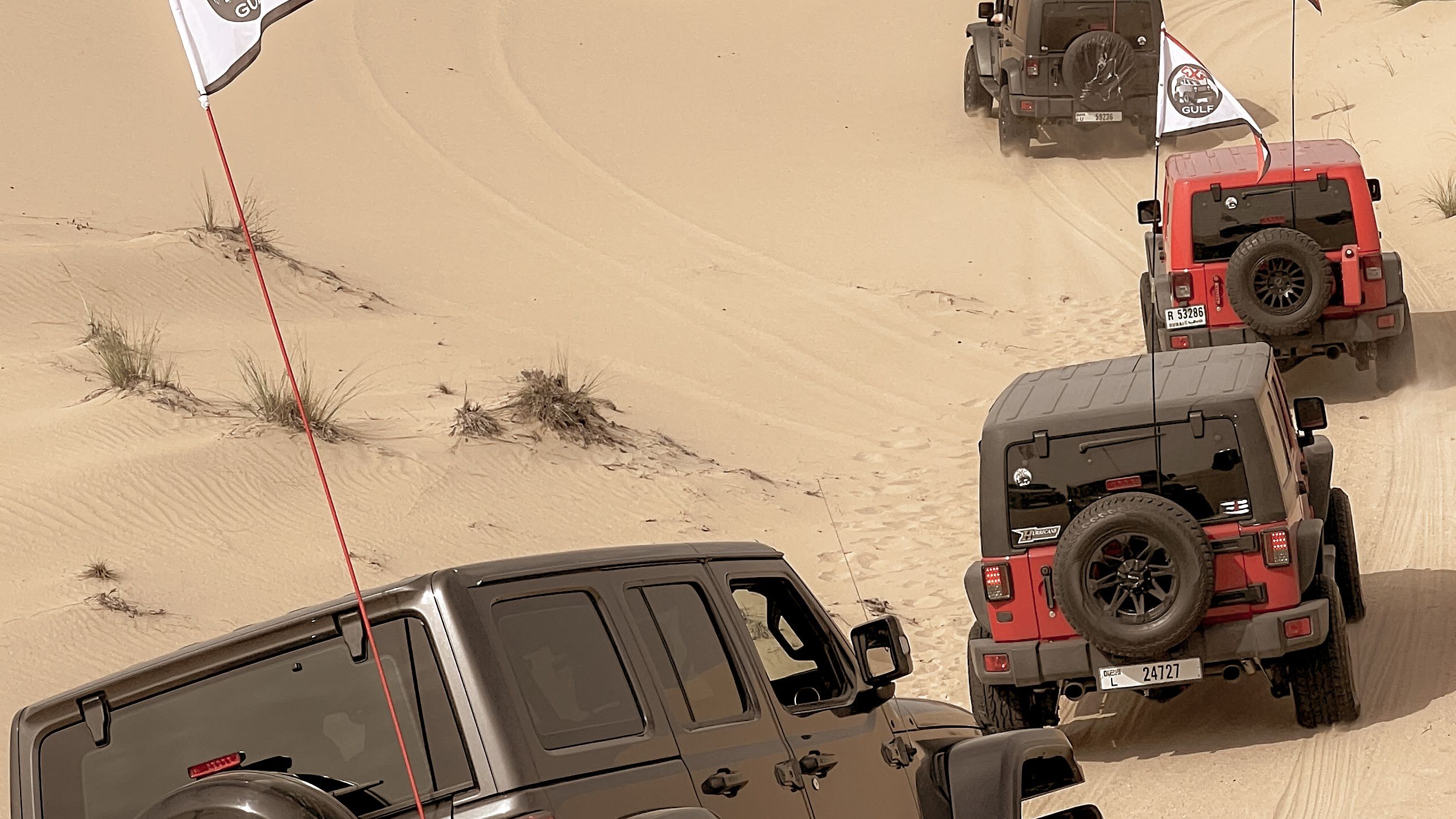
The Sharqiyah Sands, often referred to as Wahiba Sands, is a mesmerizing expanse of undulating dunes, ranging in colour from pristine white to rich orange. This is where you truly learn the art of dune driving. Airing down your tires to around 15-20 PSI is crucial for traction and avoiding getting stuck. The sensation of cresting a dune, the world dropping away to reveal another endless panorama of sand, is pure magic. I’ve spent countless nights camping under the immense desert sky here, the silence broken only by the whisper of the wind, the stars brighter than you can imagine.
Must-Do Off-Road Routes and Tips:
- Dune Bashing: Hire a local guide for your first time. They can teach you the ropes (and rescue you if you get stuck!). You can find guides in Bidiyah for around OMR 20-50 for a few hours.
- Bedouin Camps: Many desert camps offer overnight stays, combining dune driving with traditional Omani hospitality, camel rides, and delicious local food. Expect to pay OMR 50-150 per person per night, depending on the camp's luxury level.
- Sunset and Sunrise: Never miss these. The shifting light paints the dunes in incredible hues of gold, orange, and purple.
- Local Tip: Always have plenty of water and fuel. Getting lost in the desert can be deadly. Drive smoothly, avoid sudden braking or acceleration, and maintain momentum on climbs. When descending, let gravity do the work and control your speed. If you feel stuck, stop, assess, and use your shovel before trying to power out.
Rub' al Khali (Empty Quarter): The Ultimate Expedition
Location: Western Oman, bordering Saudi Arabia and Yemen.
Distance: Hundreds to thousands of kilometers. This is a multi-day expedition.
Best Time to Visit: November to February for cooler temperatures. Absolutely avoid summer.
Driving Challenge: Extremely Difficult. This is for experienced off-roaders only, requiring extensive preparation, multiple vehicles, satellite communication, and significant supplies.
The Rub' al Khali, or Empty Quarter, is one of the largest sand deserts in the world, and a truly epic challenge. This is not a casual day trip. It’s an expedition into absolute wilderness, where the dunes are colossal, and human presence is almost non-existent. I haven’t driven the full traverse of the Empty Quarter in Oman myself, but I’ve ventured into its fringes, and the sheer scale is overwhelming. It’s a place of profound silence, raw beauty, and immense danger if unprepared.
Must-Do Off-Road Routes and Tips:
- Western Oman Entry: Access points are typically from the Dhofar region, heading north towards the Saudi border.
- Expedition Planning: This requires meticulous planning. Consult with experienced guides or tour operators specializing in Empty Quarter expeditions. You’ll need multiple 4WDs, extensive fuel, water, food, and advanced navigation/recovery skills.
- Local Tip: This is a serious undertaking. If you dream of tackling the Empty Quarter, start with smaller desert excursions in Wahiba Sands to build your skills and confidence before considering this ultimate challenge. Never underestimate the desert's power.
Practicalities and Local Tips for a Smooth Trip
Here’s a summary of practical advice to make your off-road adventure in Oman as smooth and enjoyable as possible.
When to Go
The cooler months from October to April are ideal for off-roading. Temperatures are pleasant, ranging from 15°C to 30°C in most areas. Summers (May to September) can see temperatures soar above 45°C, making desert travel particularly hazardous. Mountain areas are cooler in summer but still hot.
Fuel and Supplies
Fuel stations are plentiful in towns and cities but become scarce once you venture into remote areas. Always fill up your tank and carry extra jerry cans, especially for desert trips. Fuel prices are relatively low in Oman, around OMR 0.200 per litre for petrol (highly variable, check current prices). Stock up on water, food, and other essentials in larger towns before heading out. Small village shops might have basics but don't rely on them for extensive supplies.
Permits and Regulations
Most off-road tracks do not require specific permits, but some areas (like parts of Jebel Akhdar) have checkpoints where 4WD vehicles are mandatory. Always adhere to local regulations and respect any signage. Some military zones are off-limits; never attempt to enter them. For the Empty Quarter, it's wise to inform relevant authorities or your embassy if you are undertaking a multi-day expedition close to international borders.
Respecting the Environment and Culture
Oman is a beautiful country, and we take pride in preserving its natural beauty and cultural heritage. Always practice "Leave No Trace" principles:
- Pack out all your rubbish.
- Do not disturb wildlife or natural habitats.
- Drive only on established tracks to prevent erosion.
- Respect local customs: Dress modestly, especially when visiting villages. Ask for permission before taking photos of people.
- Camp responsibly: Find a discreet spot, avoid blocking paths, and ensure campfires are completely extinguished.
Emergency Contacts
Keep these numbers handy:
- Royal Oman Police (Emergency): 9999
- Ambulance: 9999
- Roadside Assistance: Check with your rental company for their specific emergency number.
Your Omani Off-Road Adventure Awaits
There's a special kind of freedom that comes with navigating Oman's wild tracks. It's in the dust on your tires, the vastness of the landscape stretching before you, the silence broken only by the wind, and the sheer joy of discovering a hidden gem around the next bend. It’s an adventure that challenges you, rewards you with unparalleled beauty, and connects you to the raw, untamed spirit of this incredible country.
So, gather your gear, check your maps, and prepare your 4WD. The mountains are calling, the desert whispers promises of adventure. Come and experience the Oman I know and love – off the beaten path, where the real magic happens. I promise, you won't regret a single dusty kilometer.
Written by Farees
Travel writer and founder of Oman Explorer. Based in Muscat, Oman, with years of experience exploring the Sultanate's hidden gems, ancient forts, stunning wadis, and desert landscapes. Passionate about sharing authentic travel experiences and helping visitors discover the beauty of Oman.
Learn more about the authorMore Articles to Explore


Comments (0)
Sign in to comment
Create a free account or sign in to join the conversation.
No comments yet. Be the first to comment!