Driving in Oman Complete Guide for Tourists and Expats
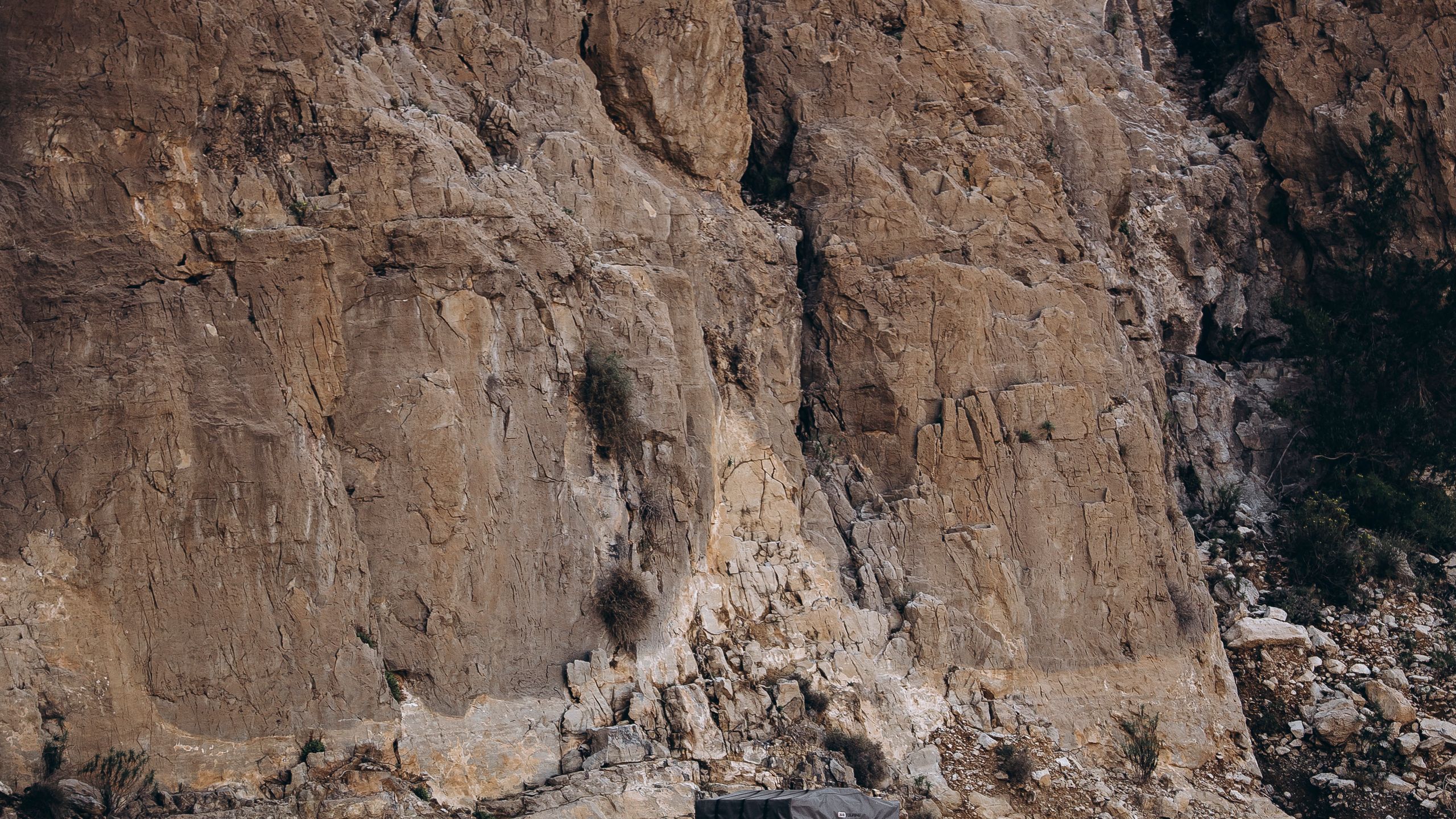
The sun was just beginning its fiery descent, painting the Hajar Mountains in shades of ochre and deep purple as I steered my trusty 4x4 along the winding track towards Jebel Shams. A lone shepherd, his dishdasha brilliant white against the rugged terrain, waved a friendly hand from the roadside, his goats scattering momentarily before resuming their diligent munching. The air, crisp and cool after the day's heat, carried the faint scent of frankincense from a nearby village. That feeling of absolute freedom, the vastness of the Omani landscape stretching out before me, a perfect ribbon of asphalt leading to the horizon – it’s a sensation I chase every time I get behind the wheel here. And it’s a feeling I want you to experience too.
Oman is a country designed for exploration by car. While public transport exists, it’s limited, and taxis can quickly drain your budget. To truly uncover its hidden wadis, ancient forts, dramatic mountains, and sprawling deserts, driving yourself is not just an option; it's practically a necessity. From the moment you land, the open road beckons, promising adventures around every turn. As a local who has crisscrossed this beautiful land countless times, let me be your guide to navigating Oman's roads safely, confidently, and with a sense of wonder.
Why Drive in Oman? The Ultimate Freedom
Imagine this: you've just finished exploring the bustling souqs of Nizwa, and an hour later, you’re hiking through a cool mountain village, the scent of rosewater heavy in the air. Or perhaps you’ve spent the morning swimming in a turquoise wadi, and by evening, you’re watching the sunset over the endless dunes of Wahiba Sands. This kind of spontaneous exploration, the ability to follow your own whims and discover places off the beaten path, is the true magic of driving in Oman.
The roads here are generally excellent, often surprisingly empty, and lead to some of the most spectacular scenery you’ll ever witness. Driving offers unparalleled flexibility, allowing you to linger longer in places you love and bypass those that don't quite capture your imagination. It’s also often the most cost-effective way to travel, especially if you're exploring with family or friends.
Essential Pre-Trip Planning
Before you even think about putting the key in the ignition, a little planning goes a long way. This isn't just about booking a car; it's about understanding the nuances of driving here.
Car Rental in Oman
Choosing the right vehicle is crucial for your Omani adventure. Here’s what you need to know:
- 2WD Sedan or SUV: For city driving, well-paved highways, and popular tourist spots like Muscat, Nizwa, Sur, and most coastal areas, a standard 2WD sedan or a small SUV is perfectly adequate. They are economical on fuel and comfortable for long distances. Expect to pay around OMR 15-25 per day for a compact sedan and OMR 20-35 per day for a small 2WD SUV.
- 4WD SUV: This is my personal recommendation if you plan to venture into the mountains or the desert. Areas like Jebel Akhdar, Jebel Shams, and the Wahiba Sands (Sharfiyat Bidiyah) absolutely require a 4WD. In fact, you'll find police checkpoints at the base of Jebel Akhdar and Jebel Shams, where they will turn you back if you don't have a 4WD. A reliable 4WD SUV like a Toyota Prado or Nissan Patrol typically costs OMR 35-60 per day, depending on the model and rental company. It’s a worthy investment for the access it grants you.
Rental Companies: You'll find international brands like Hertz, Avis, Budget, and Europcar at Muscat International Airport (MCT), as well as reputable local companies. It’s always best to book in advance, especially during peak season (October to April).
Insurance: Always opt for comprehensive insurance. While Omani drivers are generally courteous, accidents can happen. Check what excess you're liable for and if sand damage or off-road recovery is covered, especially if you plan on desert driving.
Age Requirements: Most rental companies require drivers to be at least 21 years old, and some might levy a surcharge for drivers under 25.
Required Documents
Make sure you have these essentials:
- International Driving Permit (IDP): This is legally required for tourists to drive in Oman. It must be presented along with your valid driving license from your home country. You can usually obtain an IDP from your local automotive association before you travel.
- Home Country Driving License: Make sure it’s valid and in English (or accompanied by an official translation).
- Passport and Visa: Always carry copies of these, along with your car rental agreement, in the car.
Best Time to Drive
Oman’s climate varies, and choosing the right time can significantly enhance your driving experience:
- October to April: This is the prime season. The weather is gloriously mild, with daytime temperatures ranging from 20-30°C. It’s perfect for long drives, hiking, and camping. This is when I do most of my mountain and desert trips.
- May to September: The summer months are hot, with temperatures often exceeding 40°C in inland areas. Driving can still be done, but you'll need to be mindful of the heat, stay hydrated, and plan your outdoor activities for early mornings or late afternoons.
- Khareef Season (June to September) in Salalah: An exception is the southern region of Dhofar, which experiences a monsoon (Khareef) during these months. The landscape transforms into lush green hills shrouded in mist. It’s a spectacular time to drive through Salalah and its surrounds, but expect rain, fog, and slippery roads.
On the Road: Rules and Realities
Driving in Oman is generally straightforward and pleasant, but a few local nuances are worth noting.
Road Conditions and Infrastructure
Oman boasts an impressive network of modern, well-maintained roads. Highways are smooth, clearly signposted (in Arabic and English), and often have multiple lanes. Even many roads leading to smaller towns and villages are paved and in good condition.
- Mountain Roads: Roads leading to Jebel Akhdar and Jebel Shams are steep and winding. As mentioned, a 4WD is mandatory, and police checkpoints enforce this for safety. These drives are breathtaking but require careful driving.
- Wadi Crossings: During rainy seasons (winter and Khareef), wadis can experience flash floods. Never attempt to cross a flooded wadi, even if it looks shallow. The current can be surprisingly strong and dangerous. "Wadi basements" (underground tunnels) are common in cities to prevent disruption during rain, but rural wadis are different.
- Desert Driving: While main roads through desert areas are paved, venturing onto the dunes of Wahiba Sands requires specific skills and preparation (more on this below).
Traffic Laws and Driving Etiquette
Adhering to local laws is simple and ensures a safe journey:
- Speed Limits: These are clearly marked. Typically, 100-120 km/h on highways, 80 km/h on main urban roads, and 40-60 km/h in residential areas. Speed cameras are common and active, so stick to the limits. Fines for speeding are significant.
- Seatbelts: Mandatory for all occupants.
- Mobile Phones: Using a mobile phone while driving is illegal. Hands-free kits are permitted.
- Roundabouts: Give way to traffic already on the roundabout. Most drivers are courteous, but don't assume they will always signal.
- Indicators: Use them! It helps everyone on the road.
- Camels and Goats: This is perhaps the most important local reality! Free-roaming camels, goats, and sometimes donkeys are common, especially in rural and desert areas. They have the right of way. Be extra vigilant, particularly at dawn, dusk, and night, as they can suddenly appear on the road. I've had many near-misses with stubborn goats refusing to move!
- Police Presence: The Royal Oman Police are visible and professional. They enforce traffic laws strictly but are also very helpful if you need assistance.
Fueling Up
Petrol stations are plentiful along major routes, even in relatively remote areas. They are usually open 24/7 on highways, with varying hours in smaller towns.
- Fuel Types: You’ll primarily find Super Unleaded (M95) and Regular Unleaded (M91). Diesel is also available.
- Costs: Fuel in Oman is very affordable compared to many Western countries. Prices fluctuate but are typically around OMR 0.240 per litre for M95 and OMR 0.230 per litre for M91. My 4WD usually costs me about OMR 15-20 to fill up from empty.
- Service: Most stations are full-service, meaning an attendant will pump the fuel for you. You just tell them the amount or 'full tank'. Tipping is not expected but appreciated for extra services like window cleaning.
- Payment: Cash is king, but most stations accept credit cards.
- Local Tip: Always fill up when you see a station, especially if you're heading off into a less populated area. Distances can be deceptive, and you don't want to run out of fuel in the desert!
Navigation and Connectivity
Staying connected and knowing where you're going is vital for a stress-free trip.
GPS and Maps
- Google Maps/Waze: These apps work very well in Oman, especially in urban areas and on main roads. I rely on Google Maps for most of my journeys.
- Offline Maps: Download offline maps for areas where mobile signal might be patchy, particularly in mountain ranges or remote wadis. Maps.me is an excellent alternative.
- Physical Maps: For serious off-roading or exploring very remote areas, a detailed physical map and a compass can be invaluable as a backup.
Mobile Connectivity
Purchasing a local SIM card is highly recommended upon arrival. You can get one easily at the airport or from any Omantel or Ooredoo store.
- Providers: Omantel and Ooredoo are the main providers, offering good coverage across most populated areas and major routes.
- Costs: A tourist SIM package with ample data for a few weeks might cost around OMR 5-10.
- Importance: A local SIM ensures you can access navigation apps, stay in touch with your travel companions, and, crucially, call for help in an emergency.
Safety First: Tips for a Smooth Journey
Oman is a very safe country, but being prepared for driving eventualities is always wise.
Emergency Preparedness
- Water and Snacks: Always carry plenty of water, especially during hotter months or on longer drives. A few snacks are good too.
- Spare Tyre and Toolkit: Ensure your rental car has a properly inflated spare tyre and the necessary tools for changing it. Learn how to do it beforehand if you're unsure.
- Basic First Aid Kit: A small kit for minor scrapes and cuts is always a good idea.
- Share Your Itinerary: If you're heading to a remote area, let someone know your plans and expected return time.
- Emergency Numbers: The general emergency number in Oman is 9999.
Driving at Night
While main highways are well-lit, rural roads and tracks can be very dark. As mentioned, free-roaming animals are a significant hazard at night. Visibility is much reduced, so drive slower and be extra cautious.
Weather Considerations
- Heat: In summer, temperatures can be extreme. Ensure your car’s AC is working well, keep windows slightly open when parked to reduce internal heat buildup, and never leave children or pets unattended in a parked car.
- Sandstorms: Rare but possible. If one occurs, pull over safely, turn on your hazard lights, and wait for it to pass. Visibility can drop to zero very quickly.
- Flash Floods: During rain, wadis can flood rapidly. Always check weather forecasts and local advice before heading into wadi areas. If you encounter a flooded wadi, turn back.
Off-Roading Safely (for 4WDs)
If you're planning on tackling the dunes of Wahiba Sands or exploring rough tracks, heed these warnings:
- Never Drive Alone: Always go with at least one other 4WD vehicle.
- Deflate Tyres: For sand driving, you’ll need to deflate your tyres to around 15-20 PSI (pounds per square inch) for better traction. Remember to re-inflate them once you’re back on asphalt. Many petrol stations have air compressors.
- Recovery Gear: Shovel, tow rope, and a sturdy recovery point on your vehicle are essential.
- Learn Basic Techniques: Know how to get unstuck from sand. It involves gentle acceleration, not aggressive spinning of wheels.
- Hire a Guide: For your first desert driving experience, consider hiring a local guide to lead you, especially if you’re staying at a desert camp. Many camps offer transfers in their own 4WDs.
Must-Do Road Trips and Scenic Routes
Now for the exciting part – where to go! Oman offers an incredible array of road trip possibilities.
The Classic Grand Tour (Muscat - Nizwa - Jebel Akhdar - Sur - Wadi Shab)
This is arguably the most popular and rewarding itinerary for first-time visitors, typically taking 5-7 days. It showcases Oman's diverse landscapes and rich history.
- Muscat to Nizwa: Approximately 160 km, a comfortable 1.5 to 2-hour drive on excellent highways. Explore Nizwa Fort and the vibrant souq.
- Nizwa to Jebel Akhdar: About 40 km, but the winding mountain road takes around 1 hour. Remember, 4WD is essential. The views from Diana's Point are spectacular.
- Nizwa to Jebel Shams: Around 70 km, taking 1.5-2 hours to reach the summit, again requiring a 4WD. The 'Grand Canyon of Arabia' offers breathtaking vistas and fantastic hiking.
- Nizwa to Sur: Roughly 200 km, a 2.5-hour drive. Sur is famous for its dhow building yards and the nearby turtle reserve at Ras Al Jinz.
- Sur to Wadi Shab: Approximately 60 km, a 45-minute drive. Park your car and take a short boat ride across the wadi, then hike to the famous pools and cave. Truly unforgettable!
Each leg of this journey offers a different sensory experience – the dry heat of the interior, the cool mountain air, the salty breeze of the coast, and the refreshing coolness of the wadis. The changing scenery from vast desert plains to rugged mountains and then to the shimmering Arabian Sea is simply mesmerising.
Southern Charms (Muscat - Salalah)
For a truly epic drive, the journey south to Salalah is an experience in itself. This is a commitment, covering about 1000 km and taking 10-12 hours of driving, so it’s best broken up with an overnight stop.
The route takes you through vast, desolate landscapes, where the road stretches endlessly towards the horizon, often with very few other vehicles. You'll see incredible rock formations, sparse desert vegetation, and perhaps even some camels wandering across the plains. During Khareef, Salalah's transformation into a verdant paradise is a sight to behold, a stark contrast to the rest of the country. The drive itself is meditative, allowing you to truly appreciate the sheer scale of Oman.
Desert Adventures (Wahiba Sands)
Accessing the Wahiba Sands (also known as Sharqiyah Sands) for an overnight desert camp stay is a highlight for many. The main entrance point is near the town of Bidiyah, about 200 km (2 hours) from Muscat.
From Bidiyah, you'll need a 4WD to reach most desert camps, as it involves driving on sand tracks. Many camps will meet you at a designated point in Bidiyah or Al Mintir and escort you in, or transfer you in their own vehicles. This is often the safest and easiest option for first-timers. The sensation of driving over rolling dunes, the sand shifting under your wheels, is an adrenaline rush, but always remember the safety tips for off-roading.
Local Insights and Hidden Gems
As your local guide, here are a few extra tips to make your driving adventure even more authentic:
- Coffee and Dates: When you stop in a village or small town, look for a local coffee shop. Omanis are incredibly hospitable, and you might be offered a cup of kahwa (Omani coffee) and dates. It's a wonderful way to experience local culture.
- Interact with Locals: Don't be afraid to ask for directions or advice. Most Omanis speak some English and are genuinely happy to help. A simple "Salam Alaikum" (peace be upon you) goes a long way.
- Respect Local Customs: When visiting villages or religious sites, dress modestly. Remember that Friday is the holy day, and some businesses might have reduced hours.
- Small Eateries: Skip the fast-food chains and try the local cafes (often called 'restaurants' even if they're quite basic). You'll find delicious biryanis, grilled fish, and fresh juices for a fraction of the price. My favourite is a good mandi chicken, slow-cooked to perfection, which you can find in almost any town.
- Take Your Time: Oman isn't a place to rush. Build extra time into your itinerary for unexpected stops – a beautiful viewpoint, a herd of camels, or a fascinating old village you stumble upon. These unplanned moments often become the most cherished memories.
Conclusion
Driving in Oman is more than just getting from point A to point B; it’s an immersive journey through a land of timeless beauty and profound hospitality. The hum of the engine, the wind whipping through the windows, the ever-changing landscape unfolding before your eyes – these are the hallmarks of an Omani adventure. From the rugged peaks of the Hajar Mountains to the endless golden expanse of the desert and the shimmering turquoise waters of the coast, every kilometre reveals a new wonder. So, pack your bags, choose your vehicle, and prepare to discover the magic of Oman at your own pace. The open road is calling, and believe me, it’s an invitation you won’t regret answering. Start planning your epic Omani road trip today – the memories are waiting to be made!
Written by Farees
Travel writer and founder of Oman Explorer. Based in Muscat, Oman, with years of experience exploring the Sultanate's hidden gems, ancient forts, stunning wadis, and desert landscapes. Passionate about sharing authentic travel experiences and helping visitors discover the beauty of Oman.
Learn more about the authorMore Articles to Explore


Comments (0)
Sign in to comment
Create a free account or sign in to join the conversation.
No comments yet. Be the first to comment!