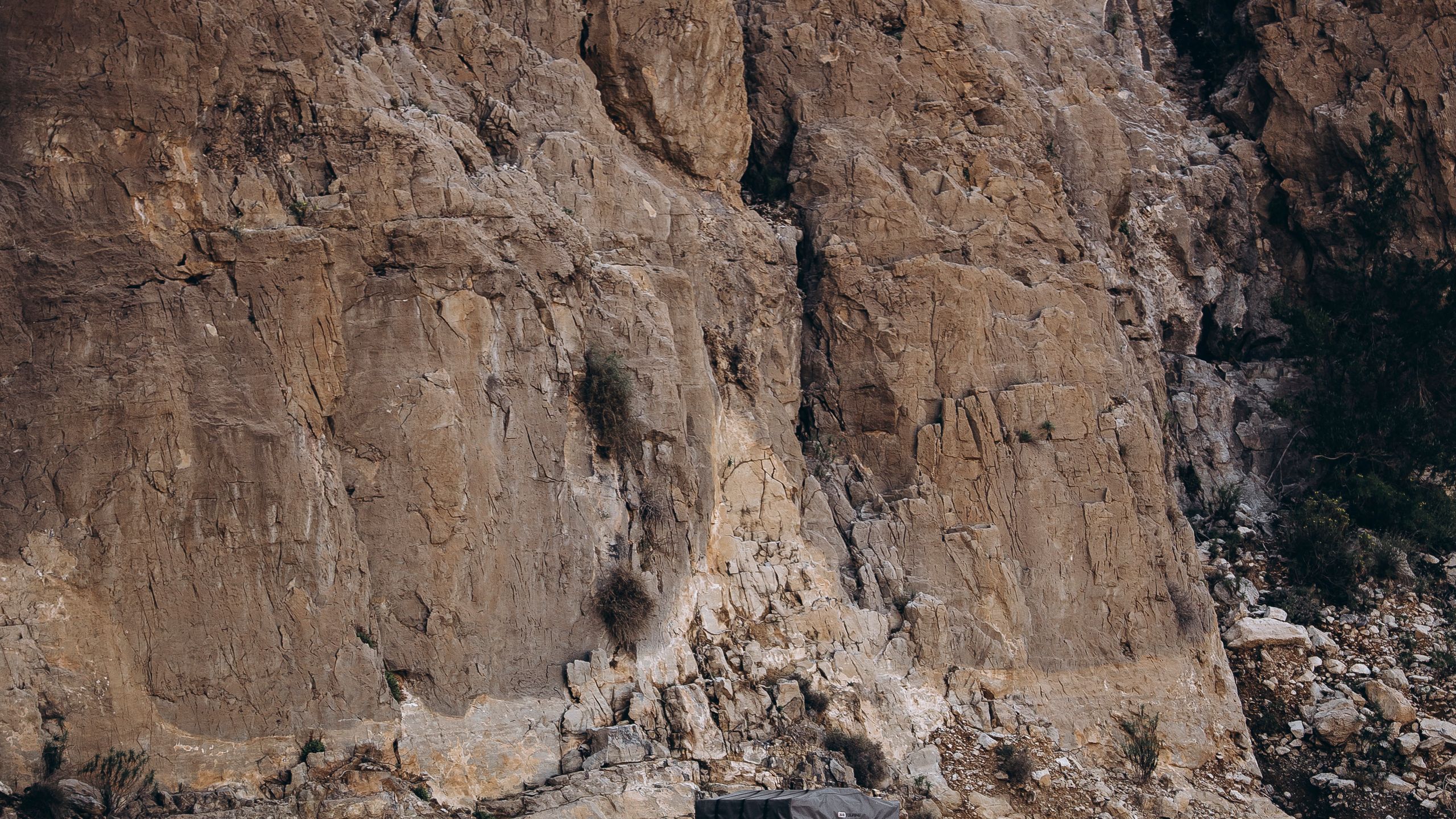
Driving in Oman: Your Complete Guide for Tourists and Expats
Ever dreamt of a journey where ancient forts rise from vast deserts, emerald wadis carve through rugged mountains, and the scent of frankincense drifts on the breeze as you cruise along pristine highways? Oman is that dream, and the best way to truly experience its magic, to uncover its most cherished secrets, is from behind the wheel of your own car.
I’m Ahmed, and as a local who has explored every corner of this incredible country, I can tell you that driving here isn't just a means of transport; it’s an adventure in itself. Forget rigid tour schedules and crowded buses. With your own wheels, you dictate the pace, chase the sunrise over a dune, or linger a little longer in a quiet fishing village as the evening prayer call echoes across the bay. This guide is your personal roadmap, born from countless kilometres on Omani roads, designed to help you navigate our beautiful landscape with confidence and joy. Think of me as your co-pilot, sharing all the insights, tips, and a few stories that I wish someone had told me years ago.
Why Driving in Oman is the Ultimate Freedom
Many visitors consider organized tours, and while they have their place, nothing compares to the sheer liberty of a self-drive adventure in Oman. Imagine waking up, deciding on a whim to detour towards a mountain village you just heard about, or pulling over simply because a particularly vibrant sunset demands your full attention. That's the Omani driving experience.
Our infrastructure is fantastic – wide, well-maintained roads link major cities and attractions, making navigation surprisingly straightforward. But it's beyond the main arteries where the real treasures lie: the hidden wadis, the remote desert camps, the quiet coastal stretches where fishermen mend their nets. These are places often inaccessible without a car, offering a glimpse into the authentic Omani way of life, far from the tourist brochures. The feeling of the warm desert wind through the open window, the shifting hues of the mountains as you drive, and the welcoming smiles of locals you encounter along the way – these are memories etched deep, made possible by the freedom of the open road.
Is Driving in Oman Safe and Easy? My Honest Take
Let me put your mind at ease immediately: yes, driving in Oman is generally very safe and relatively easy. Our roads are excellent, often better than those in many Western countries. Speed limits are clearly marked, and most drivers are courteous, if sometimes a little quick on the highways. I’ve driven across the country at all times of day and night, and I always feel secure.
However, 'easy' doesn't mean 'without consideration'. You'll encounter unique challenges, like stray camels wandering onto desert roads or sudden, heavy rain transforming a dry wadi bed into a raging river. But with a bit of preparation and awareness, these become part of the adventure, not obstacles. I'll cover these specifics so you're ready for anything.
Key Things to Know About Omani Roads:
- Highways: Smooth, multi-lane, well-signposted (in Arabic and English). Speed limits typically 120 km/h.
- City Roads: Good condition, but traffic in Muscat can be heavy during peak hours (7-9 AM, 4-7 PM). Roundabouts are common.
- Rural Roads: Paved and generally good, but can become narrower and winding in mountainous areas.
- Off-Road: Unpaved tracks to wadis, mountains, and desert areas. This is where a 4x4 becomes essential and the real fun begins!
Renting a Car in Oman: What You Need to Know
This is your first big decision, and it’s a crucial one. Your choice of vehicle can make or break certain parts of your Omani adventure.
Which Car Type: Sedan or 4x4?
For city exploration, driving between major towns like Muscat, Nizwa, and Sur, and sticking to paved roads, a standard sedan is perfectly adequate and more economical. A Toyota Yaris or Corolla, or a similar compact car, will serve you well. You can visit most popular coastal attractions (like Bimmah Sinkhole) and major forts with a 2WD car.
However, if your itinerary includes places like Jebel Akhdar, Jebel Shams, Wahiba Sands, or exploring many wadis (like Wadi Bani Khalid beyond the paved road, or Wadi Shab’s deeper sections), a 4x4 is non-negotiable. Not only are some roads legally restricted to 4x4s (like the ascent to Jebel Akhdar), but the added clearance and capability will give you peace of mind and access to truly spectacular, off-the-beaten-path locations. My personal recommendation for a reliable 4x4 is a Toyota Prado or a Mitsubishi Pajero – they are robust, common here, and rental companies maintain them well. I've had many memorable trips in both.
Rental Companies and Prices
You’ll find all the major international brands at Muscat International Airport (Hertz, Avis, Europcar, Sixt, Budget) as well as reputable local companies like Thrifty and National. Booking in advance, especially during peak season (October-April), is always a good idea.
Estimated Rental Prices (per day):
- Economy Sedan (e.g., Toyota Yaris): OMR 12-18 (approx. USD 30-47)
- Mid-size Sedan (e.g., Toyota Corolla): OMR 18-25 (approx. USD 47-65)
- 4x4 SUV (e.g., Toyota Prado, Mitsubishi Pajero): OMR 30-50 (approx. USD 78-130)
Prices can drop significantly for longer rentals (weekly or monthly). Always compare rates online and check for any special offers.
Documents and Requirements
- Valid Driving License: Your home country’s license is generally accepted for up to three months.
- International Driving Permit (IDP): While not always strictly required by rental companies if your license is in English, I strongly recommend carrying one. It’s a cheap, easy-to-obtain document that translates your license into multiple languages and can save you hassle with police or insurance in case of an incident.
- Passport: For identification.
- Credit Card: For payment and security deposit.
- Age Requirement: Most companies require drivers to be at least 21 years old, and some charge a 'young driver' fee for those under 25.
Car Insurance
Never skimp on insurance! Basic third-party liability is usually included, but I always advise opting for a Collision Damage Waiver (CDW) with zero excess if available. This means you won’t have to pay a hefty deductible if the car gets damaged. Check what your travel insurance or credit card covers, but often, local rental insurance offers the best peace of mind. Read the fine print, especially regarding off-road driving – some policies explicitly exclude damage incurred during unpaved adventures. Ask specific questions about this if you plan to go off-road.
Omani Driving Rules and Regulations: Stay Safe, Stay Legal
Driving in Oman is straightforward, but knowing the rules will keep you and everyone around you safe.
Speed Limits
- Highways: Generally 120 km/h.
- Main Roads/Inter-city: 80-100 km/h.
- Urban Areas/Cities: 40-60 km/h.
- Residential Areas/Villages: Often 40 km/h or less.
Speed cameras are common and well-hidden, especially on highways and at the entry/exit points of major cities. Fines are steep, so stick to the limits. My advice? Drive defensively and assume there's a camera around every bend!
Seatbelts and Mobile Phones
Seatbelts are mandatory for all occupants. Using a mobile phone while driving is strictly prohibited unless it's hands-free. Police are vigilant about this.
Traffic Lights and Roundabouts
Traffic lights operate as in most countries. Roundabouts are very common; yield to traffic already in the roundabout. Indicate clearly when entering and exiting.
Road Signs
All major road signs are in both Arabic and English, making navigation easy. Distances are in kilometres.
In Case of an Accident
If you're involved in an accident, even a minor one, do NOT move the vehicles. Call the Royal Oman Police (ROP) immediately on 9999. They will come to the scene to assess, document, and provide a police report, which is essential for insurance claims. Exchange details with the other driver but avoid arguments. I once witnessed a fender bender where the drivers were so polite to each other, it was almost comical, but they still waited patiently for the police.
Road Conditions and Terrain: Where the Adventure Truly Begins
Oman offers an incredible variety of landscapes, and your driving experience will shift dramatically with them.
Paved Highways and City Driving
Our main highways are a dream to drive on: smooth, wide, and generally free of potholes. You'll often see vast, empty stretches, especially outside of Muscat. In Muscat, expect multi-lane roads, flyovers, and traffic that can get dense during rush hour. Parking in city centres can be tight; look for designated parking areas or malls. The infrastructure is well-developed to handle tourists, even in less populated areas.
Off-Roading and Wadi Driving
This is where Oman truly shines for adventurous drivers. Many of our most stunning wadis (like Wadi Shab, Wadi Bani Khalid, Wadi Tiwi) have paved access roads to a certain point, but to explore deeper or reach less-visited spots, a 4x4 is essential. You'll navigate rocky tracks, sometimes crossing shallow streams, and feel the thrill of true exploration. Always check weather conditions before heading into a wadi; flash floods can occur rapidly and be extremely dangerous after heavy rain, even miles upstream. The smell of damp earth and fresh water mixed with the dry desert air is something I always associate with a good wadi adventure.
Desert Driving
The Wahiba Sands (Sharqiyah Sands) are an iconic Omani experience. If you plan to drive into the dunes, even to reach a desert camp, you MUST deflate your tires. This significantly increases traction and prevents you from getting stuck. The usual advice is to deflate to around 15-20 PSI (pounds per square inch). Driving in sand is an art – maintain momentum, avoid sudden braking or sharp turns, and always have a recovery kit (shovel, tow rope) and a compressor to reinflate your tires when you return to paved roads. For first-timers, I strongly recommend hiring an experienced local guide to lead you or drive you to your desert camp. Getting stuck in the vast, silent dunes as the sun dips below the horizon is a memory, but not one you want to experience alone and unprepared.
Mountain Roads (Jebel Akhdar, Jebel Shams)
The Hajar Mountains offer breathtaking vistas and thrilling drives. The road up Jebel Akhdar is particularly famous – it’s paved but incredibly steep and winding, with sharp hairpin turns. There’s a police checkpoint at the base, and only 4x4 vehicles are permitted to ascend due to the gradient. They will check your vehicle type. Jebel Shams also has paved sections, but the final approach to the Grand Canyon viewpoint often involves a rough, unpaved track where a 4x4 is highly recommended. The air cools noticeably as you climb, and the scent of juniper and wild olive trees replaces the desert dust. Always drive slowly and cautiously on these roads, and use lower gears for descent to save your brakes.
Fuel and Services: Keeping You On the Move
Fuel is relatively inexpensive in Oman, and petrol stations are plentiful along major routes.
Fuel Types and Prices
Oman primarily uses two grades of unleaded petrol: M91 (regular) and M95 (super). Diesel is also available. Most rental cars will use M95. Fuel attendants will fill your tank for you, and you can pay with cash or card. A full tank in a sedan might cost OMR 8-12, while a 4x4 could be OMR 15-25. Prices are government-regulated and usually displayed clearly. As of late 2023 / early 2024, M95 is approximately OMR 0.239/litre (around USD 0.62/litre). These prices are a joy compared to many other countries!
Availability of Petrol Stations
On main highways and near towns, petrol stations are frequent, often every 50-100 km. They usually include small shops (like supermarkets), ATMs, and clean restrooms. However, when venturing into truly remote areas or off-road, fuel stops become scarce. My rule of thumb: always fill up when your tank is half-full if you're heading off the beaten path. It’s better to be safe than sorry, especially when you might drive for an hour or two without seeing another car, let alone a petrol station.
Navigation and Connectivity: Your Digital Co-Pilot
While road signs are good, a reliable navigation system is your best friend in Oman.
GPS and Offline Maps
Google Maps works exceptionally well in Oman, with accurate directions and real-time traffic updates in urban areas. However, mobile data coverage can be spotty in very remote mountain or desert regions. I highly recommend downloading offline maps for the areas you plan to visit (Google Maps allows this, as do apps like Maps.me or Sygic). This way, even if you lose signal, you won't lose your way. A small anecdote: I once lost signal deep in a wadi while trying to find a specific natural pool. If I hadn't downloaded the area offline, I might still be there looking for it! Always have a physical map as a backup too, especially for off-road adventures where digital maps might not show all tracks.
Local SIM Cards
Purchasing a local SIM card is highly recommended for internet access, navigation, and making local calls. Omantel and Ooredoo are the two main providers. You can easily buy a tourist SIM package at the airport or any shopping mall. For around OMR 5-10, you can get a decent amount of data (e.g., 2-5 GB) and some local call minutes, valid for 7-10 days. The coverage is generally excellent in populated areas and along main roads, but as mentioned, it can drop off in the mountains and deep desert.
Essential Gear and Packing List for Drivers
Preparation is key to a smooth and enjoyable road trip.
- Plenty of Water: The Omani sun is no joke. Always carry more water than you think you’ll need, especially for longer drives or hikes. A large cooler box filled with ice and drinks is a luxury you'll appreciate.
- Snacks: Energy bars, fruits, and nuts are great for long stretches between towns.
- First-Aid Kit: For minor scrapes, cuts, and headaches.
- Spare Tire and Tools: Ensure your rental car has a properly inflated spare tire, jack, and wrench. Know how to change a tire, or at least watch a video beforehand.
- Portable Phone Charger/Power Bank: Keep your navigation and communication devices charged.
- Headlamp/Flashlight: Invaluable for roadside emergencies or exploring after dark.
- Sunscreen, Hat, Sunglasses: Essential for protection from the intense sun.
- Cash: While cards are widely accepted, small shops in remote villages might only take cash.
- Basic Recovery Kit (for 4x4s): Shovel, tow rope, tire deflator, air compressor.
Local Driving Tips and Etiquette from a Local
Beyond the rules, there are some unwritten understandings that can enhance your driving experience.
- Patience and Defensive Driving: While most drivers are courteous, some can be impatient on highways. Maintain a safe distance, expect sudden lane changes, and avoid road rage.
- Honking: Less common than in some other Middle Eastern countries. Usually a short, polite tap to alert someone, not to express frustration.
- Camels and Goats: Especially outside of major towns, look out for stray camels and goats on the roads, particularly at dawn and dusk. They have right of way, and hitting one can be incredibly dangerous for both you and the animal. I've had a few heart-stopping moments with camels suddenly appearing from the desert haze!
- Headlight Flashes: A quick flash of headlights from an oncoming vehicle usually means there’s a speed camera or police checkpoint ahead. A flash from behind often means they want to overtake.
- Driving During Ramadan and Eid: During the holy month of Ramadan, traffic can be heavier just before Iftar (breaking of the fast) as people rush home. During Eid holidays, many locals travel, so expect more traffic on inter-city roads and attractions to be busier.
- Give Way on Narrow Roads: In mountain villages or on unpaved tracks, if you meet another car on a narrow section, one of you will need to pull over to let the other pass. A friendly wave goes a long way.
Popular Road Trip Itineraries (Brief Mentions)
To give you a taste of the possibilities, here are a few classic Omani road trips:
- Muscat to Sur Coastal Route (approx. 200 km, 2.5-3 hours driving): A stunning drive past Bimmah Sinkhole, Wadi Shab (park at the bridge, then hike and swim), and Wadi Tiwi, ending in the dhow-building city of Sur.
- Muscat to Nizwa and the Mountains (approx. 160 km to Nizwa, 1.5-2 hours): Explore Nizwa Fort and Souq, then ascend to Jebel Akhdar (4x4 required, ~1.5 hours from Nizwa) or Jebel Shams (4x4 recommended for the final stretch, ~2 hours from Nizwa).
- Muscat to Wahiba Sands (approx. 250 km, 2.5-3 hours to Al Wasil/Bidiyah): Head to the edge of the desert, then either hire a guide or venture in with your 4x4 (deflated tires!) to experience the vast dunes and desert camps.
Best Time to Drive in Oman: Weather Considerations
The ideal time for a road trip in Oman is from October to April. During these months, temperatures are pleasant (20-30°C / 68-86°F), making outdoor activities and driving much more comfortable. The air is crisp, and the sky is often a brilliant blue.
May to September is our summer, with intense heat (often exceeding 40°C / 104°F) and high humidity, especially in coastal areas. Driving is still possible, but you'll want to limit outdoor time and rely heavily on air conditioning. The exception is Salalah and the Dhofar region, which experiences the unique 'Khareef' (monsoon) season from June to September, transforming the landscape into lush greenery – a truly different driving experience, but be prepared for mist and sometimes heavy rain.
Potential Challenges and How to Overcome Them
While driving in Oman is largely hassle-free, being aware of potential challenges helps.
- Extreme Heat: During summer, ensure your car's AC is working well, carry plenty of water, and avoid leaving anything heat-sensitive in the car.
- Sandstorms: Rare but can occur, especially in desert areas. If caught in one, pull over to a safe spot, turn on your hazard lights, and wait for visibility to improve.
- Flash Floods: As mentioned, these are a serious risk in wadis and low-lying areas after heavy rain. Always check local weather forecasts. If you see water accumulating or a wadi starting to flow, turn back immediately. Never attempt to drive through floodwaters.
- Breakdowns in Remote Areas: This is why preparation is key. Ensure your rental car is well-maintained. If you break down, stay with your vehicle, use your hazard lights, and call your rental company's emergency number. Having a local SIM helps immensely for communication.
My Final Word: Embrace the Journey
Driving in Oman is an unparalleled way to connect with this incredible country. It’s about more than just getting from point A to point B; it’s about the unexpected detours, the spontaneous encounters, and the sheer joy of discovery at every turn. I still get a thrill every time I hit the open road, watching the landscape unfold – the deep blue of the Arabian Sea, the ochre sands of the desert, the ancient, weathered peaks of the Hajar Mountains.
So, pack your bags, secure your rental, and prepare for an adventure that will awaken your senses and fill your soul. Oman awaits, ready to be explored, one kilometre at a time. I promise you, it will be one of the most rewarding journeys of your life. See you on the road!
Written by Farees
Travel writer and founder of Oman Explorer. Based in Muscat, Oman, with years of experience exploring the Sultanate's hidden gems, ancient forts, stunning wadis, and desert landscapes. Passionate about sharing authentic travel experiences and helping visitors discover the beauty of Oman.
Learn more about the authorMore Articles to Explore


Comments (0)
Sign in to comment
Create a free account or sign in to join the conversation.
No comments yet. Be the first to comment!