
Oman's Secret Surf Spots: Ride the Waves
Most people envision Oman as a land of ancient forts, vast deserts, and bustling souqs, a cultural tapestry woven under an endless sun. And while all of that is true and utterly captivating, I am here to tell you a secret, one that will fundamentally shift your perception of my home country: Oman is a surfer's paradise, a hidden gem with consistent, uncrowded waves waiting to be discovered.
Yes, you read that right. Forget the camels for a moment and picture this: the thundering roar of the Indian Ocean, warm water caressing your skin, and the exhilarating rush of carving across a glassy wave, with no one else in sight. This isn't some far-flung, heavily marketed surf destination; this is Oman, raw, authentic, and utterly captivating. I've spent years exploring every nook and cranny of our coastline, board in hand, and the joy of finding these hidden breaks, often with only a handful of local fishermen for company, is something I yearn to share with you.
When I first started seriously surfing here back in the late 2010s, many of my friends, even locals, would look at me with a bewildered smile. 'Surfing? In Oman?' they'd ask. But the truth is, Oman's extensive coastline, stretching over 3,165 kilometres, is blessed with two distinct surf seasons, offering everything from gentle, rolling waves perfect for beginners to powerful, challenging breaks for seasoned pros. It's a journey of discovery, not just for the waves, but for the soul of a country that consistently surprises and delights.
So, grab your board (or get ready to rent one!), slather on some reef-safe sunscreen, and let me guide you through the best surf spots along Oman's magnificent coast. Consider this your personal roadmap, crafted from countless dawn patrols and sunset sessions.
Why Oman is Your Next Unexpected Surf Destination
Before we dive into the specific spots, let's talk about what makes Oman so special for surfers. It's more than just the waves; it's the entire experience.
- Uncrowded Waves: This is arguably the biggest draw. Unlike popular surf destinations where you're constantly battling for a peak, Oman offers vast stretches of coastline where you might be the only one out. The tranquility is unparalleled.
- Two Distinct Seasons: Northern Oman (around Muscat) gets its swells from the Arabian Sea during the winter months (October to April), while Southern Oman (the Dhofar region, near Salalah) comes alive during the Khareef (monsoon) season (May to September) with powerful, consistent waves from the Indian Ocean. This means there's almost always somewhere to surf year-round.
- Stunning Scenery: Imagine riding waves with dramatic cliffs, pristine white sand, or lush green mountains (during Khareef) as your backdrop. The natural beauty is breathtaking.
- Cultural Immersion: Your surf trip isn't just about the ocean; it's an opportunity to experience authentic Omani hospitality, explore ancient markets, and discover a rich heritage.
- Warm Water: For much of the year, especially in the south, the water temperature is wonderfully warm, often negating the need for a full wetsuit.
Understanding Oman's Surf Seasons: North vs. South
To truly unlock Oman's surf potential, you need to understand its dual personality when it comes to waves.
Northern Oman (Muscat and Beyond) – The Winter Swell Hub
This region, stretching from Muscat up towards the UAE border, primarily gets its surf from low-pressure systems and wind swells generated in the Arabian Sea and Gulf of Oman during the cooler months. Think of it as our winter playground.
- Best Months to Visit: October to April. The peak is typically November to March.
- Wave Type: Predominantly beach breaks, some reef breaks. Generally smaller and more manageable than the south, making it ideal for beginners and longboarders, but powerful days can surprise you.
- Water Temperature: Cooler than the south, ranging from 20-24°C. A 2/2mm shorty or spring suit is often comfortable, especially in the mornings or on windy days, though many locals still brave it in board shorts.
Southern Oman (Dhofar Region, Salalah) – The Khareef Powerhouse
This is where things get serious. The Dhofar region, particularly around Salalah, transforms dramatically during the Khareef (monsoon) season. The air becomes misty, the mountains turn emerald green, and the Indian Ocean delivers consistent, powerful swells.
- Best Months to Visit: May to September. July and August are often the peak.
- Wave Type: Predominantly powerful beach breaks. These waves are often bigger and more challenging, appealing to intermediate and advanced surfers.
- Water Temperature: Exceptionally warm, typically 26-30°C. Board shorts or a rash guard are all you'll need.
My Top Surf Spots in Northern Oman
Let's start our journey near the capital, where I often find myself catching a quick session before work or on a relaxed weekend.
Sifah Beach: The Friendly Challenger
Located approximately 45 kilometres southeast of Muscat, Sifah is where many of my friends, and indeed I, truly fell in love with Omani surfing. The drive itself is a treat, winding through dramatic mountain passes that eventually open up to a long, expansive beach.
- Vibe: Sifah offers a relaxed atmosphere, making it fantastic for beginners to intermediates. The wave here is a consistent beach break, often a forgiving peak, that can hold a decent size swell. On a good day, you'll find long, rideable walls.
- Getting There: From Muscat, follow signs towards Yiti and then Sifah. The drive takes about 45-60 minutes, depending on traffic and how many times you stop to admire the views.
- Practical Details (2026 Estimates):
- Surf Schools/Rentals: Several small, locally run surf schools have popped up over the years. You can often find board rentals for around OMR 10-15 per day for a soft top or OMR 20-25 for a fibreglass board. Lessons typically run OMR 30-40 per hour, including gear. It's always best to call ahead or check their Instagram pages.
- Best Time to Surf: Mid to high tide usually works best here, as the sandbars can get shallow at low tide. Mornings are often glassier before the wind picks up.
- Local Tip: After a session, head to one of the small local eateries near the Sifah marina for some delicious fresh seafood or a traditional Omani meal. The smell of grilled fish after a surf is simply divine. I once had a plate of grilled kingfish so fresh it tasted like the ocean itself, paired with tangy lime and fragrant rice – the perfect post-surf refuel.
- Accommodation: There's a beautiful resort nearby if you're looking for luxury, but many local guesthouses offer a more authentic, budget-friendly experience. Camping is also popular on the beach itself, allowing you to wake up to the sound of the waves.
My first proper green wave ride was at Sifah. I remember the sensation vividly: the push of the water, the sudden glide, and the pure, unadulterated joy as I stood up and rode all the way to the shore. It was a short ride, but it felt like an eternity, and in that moment, I knew I was hooked.
Qantab Beach: The Hidden Gem
Just a stone's throw from Sifah, Qantab offers a slightly different, often more challenging experience. It's a smaller, more picturesque cove, famous for its dramatic cliffs and traditional fishing boats.
- Vibe: Qantab can be more of a reef break, offering faster, hollower waves on the right swell. It's generally suited for intermediate to advanced surfers, especially when the swell size picks up. It’s less consistent than Sifah, but when it’s on, it’s truly magical.
- Getting There: Qantab is closer to Muscat than Sifah, about 25-30 km. You'll pass through it on the way to Sifah if you take the coastal road.
- Practical Details:
- Infrastructure: Less established surf infrastructure here. You’ll need to bring your own board or arrange rentals from Muscat or Sifah. There are no dedicated surf shops on the beach.
- Best Time to Surf: Requires a specific swell direction (typically NW to NE) and can be fickle. Local knowledge is key here. Ask around at Sifah, or check local surf forecasts.
- Local Tip: The village of Qantab is charming. Take some time to stroll through it, watch the fishermen bring in their daily catch, and soak in the traditional Omani life. The smell of the sea mixed with the scent of burning frankincense from a nearby home is a unique blend you won't forget.
I remember one particularly epic session at Qantab. The swell was perfect, wrapping around the headland to create these beautiful, peeling lefts. The water was crystal clear, and I could see fish darting beneath me as I dropped into a wave. It was just me and two other local surfers, sharing waves and smiles – a truly spiritual experience.
Azaiba Beach (Muscat): The City Break
For those times when you're in Muscat and craving a quick surf without a long drive, Azaiba can sometimes deliver, especially for longboarders or beginners on small days.
- Vibe: This is a very accessible city beach break. Don't expect huge barrels, but on a good winter swell, you can find fun, clean waves, especially for learning or cruising on a longboard. It's often busy with families and joggers, so be mindful.
- Getting There: Right off the main Sultan Qaboos Highway, very easy to access.
- Practical Details:
- Infrastructure: No dedicated surf rentals on the beach, but there are a couple of small sports shops in Muscat that might stock boards or know where to rent. Better to bring your own.
- Best Time to Surf: Winter months, especially after a strong northwesterly wind has died down, leaving behind clean groundswell. High tide is usually best.
- Local Tip: It's a great spot for a sunset session, watching the city lights begin to twinkle as you catch the last waves of the day. The air often carries the scent of shisha from nearby cafes and the gentle murmur of city life.
My Top Surf Spots in Southern Oman (Dhofar Region)
Now, let's venture south, into the mystical Dhofar region, where the Khareef monsoon brings not only lush greenery but also powerful, consistent waves.
Mughsail Beach: The Khareef Icon
Mughsail, about 40 kilometres west of Salalah, is perhaps the most famous beach in Dhofar, known for its dramatic cliffs, blowholes, and during Khareef, its incredible surf potential.
- Vibe: Mughsail offers a powerful beach break that can get very large and challenging during the peak Khareef season. It's not for the faint of heart, but for experienced surfers, it's a dream. The misty, verdant landscape during Khareef creates an ethereal backdrop to your surf.
- Getting There: A straightforward drive west from Salalah on a well-maintained road.
- Practical Details (2026 Estimates):
- Surf Rentals: Surf infrastructure is still developing in Salalah. A few adventure tourism companies might offer board rentals (OMR 20-30/day) and lessons (OMR 50-60/hour) during Khareef, but it's not as established as in the north. It's highly recommended to bring your own board if you're serious about surfing here, or arrange rentals well in advance from Salalah city.
- Best Time to Surf: Khareef season (May to September), particularly July and August for the largest swells. Mornings are generally cleaner. Watch out for strong currents, especially on bigger days.
- Local Tip: Don't miss the Mughsail Blowholes, which put on a spectacular show as the waves crash against the rocks. The entire area is shrouded in a fine mist during Khareef, and the air is cool and damp, a stark contrast to the rest of Oman. After your surf, try some fresh coconut water from one of the roadside stalls – it's incredibly refreshing. I once spent an entire afternoon riding waves here, the spray from the ocean mixing with the Khareef mist, making it feel like surfing in a cloud.
The first time I surfed Mughsail during Khareef, I was humbled. The waves were bigger than anything I'd encountered in the north, and the sheer power of the ocean was awe-inspiring. I remember paddling out, the warm, murky water swirling around me, the sound of the crashing waves a constant roar. It was challenging, exhilarating, and utterly unforgettable.
Fazayah Beach: The Pristine Escape
Further west along the coast from Mughsail, past winding coastal roads and dramatic cliffs, lies Fazayah Beach. This is where you go when you want to truly get away from it all.
- Vibe: Fazayah is a series of stunning coves with pristine white sand and crystal-clear turquoise water. During Khareef, it can offer incredible, uncrowded beach breaks, often with long, clean lines. It’s more remote and requires a bit more effort to reach, making it perfect for those seeking solitude.
- Getting There: Requires a 4x4 vehicle and a sense of adventure. The track off the main road can be rough. It’s about 60-70 km west of Salalah.
- Practical Details:
- Infrastructure: Absolutely none. This is wild Oman. Bring everything you need: water, food, shade, first-aid, and all your surf gear.
- Best Time to Surf: Khareef season, but requires more exploration to find the best peaks. Different coves will work on different swells.
- Local Tip: Fazayah is an incredible spot for wild camping. Imagine surfing until sunset, then setting up camp under a sky bursting with stars, the only sound the gentle lapping of waves. The air here is so clean, and the scent of the ocean is utterly pure. I've spent many nights here, sitting by a small fire, reflecting on the day's waves and the sheer beauty of nature.
Mirbat Area: The Explorer's Delight
While most surfers head west from Salalah, the area around Mirbat, east of Salalah, also holds incredible potential, especially during Khareef. It's less explored, which means more opportunities for discovery.
- Vibe: This area is still largely off the main surf radar. You’ll find long, empty beaches and rocky points that can produce interesting breaks. It’s for the adventurous surfer who loves to scout and explore.
- Getting There: Mirbat is about 70 km east of Salalah. The coastal road offers stunning views.
- Practical Details:
- Infrastructure: Minimal. There are a few small towns and fishing villages, but no dedicated surf shops. Self-sufficiency is key.
- Best Time to Surf: Khareef season. Local knowledge or careful observation of swell patterns is crucial here.
- Local Tip: Engage with the local fishermen. They often have an incredible understanding of the ocean and can sometimes point you towards a promising break. Just be respectful and friendly. The aroma of drying fish and the sound of gulls are ever-present here.
Essential Gear and Preparation for Surfing in Oman
Before you hit the Omani waves, a little preparation goes a long way.
- Surfboard: If you're an experienced surfer, bringing your own board is always best, especially for the south. Otherwise, rentals are available in Muscat/Sifah and increasingly in Salalah during Khareef.
- Wetsuit: For Northern Oman in winter, a 2/2mm shorty or spring suit is often comfortable. For Southern Oman during Khareef, board shorts and a rash guard are usually sufficient.
- Sun Protection: The Omani sun is intense. High-SPF reef-safe sunscreen, a wide-brimmed hat, and a rash guard are non-negotiable.
- Reef Booties: While many spots are sand-bottomed, some reef breaks exist, particularly in the north. Booties can save your feet from cuts.
- First-Aid Kit: Always wise to have for minor cuts and scrapes.
- Water and Snacks: Especially when exploring remote spots, carry plenty of hydration and energy-boosting snacks.
- Car Rental: Essential! A 4x4 is highly recommended for the Dhofar region, particularly if you plan to explore remote beaches like Fazayah. Prices vary but expect to pay OMR 25-40 per day for a sedan and OMR 45-70 per day for a 4x4, depending on the model and rental duration.
Beyond the Waves: Immerse Yourself in Oman
What makes surfing in Oman truly unique is the opportunity to blend your passion for waves with an unforgettable cultural adventure. After a morning surf, you could be:
- Exploring ancient forts like Nizwa Fort (admission OMR 5) or Bahla Fort.
- Hiking through stunning wadis (canyons) like Wadi Shab or Wadi Bani Khalid, cooling off in emerald pools.
- Bargaining for frankincense, spices, and silver jewellery in a traditional souq.
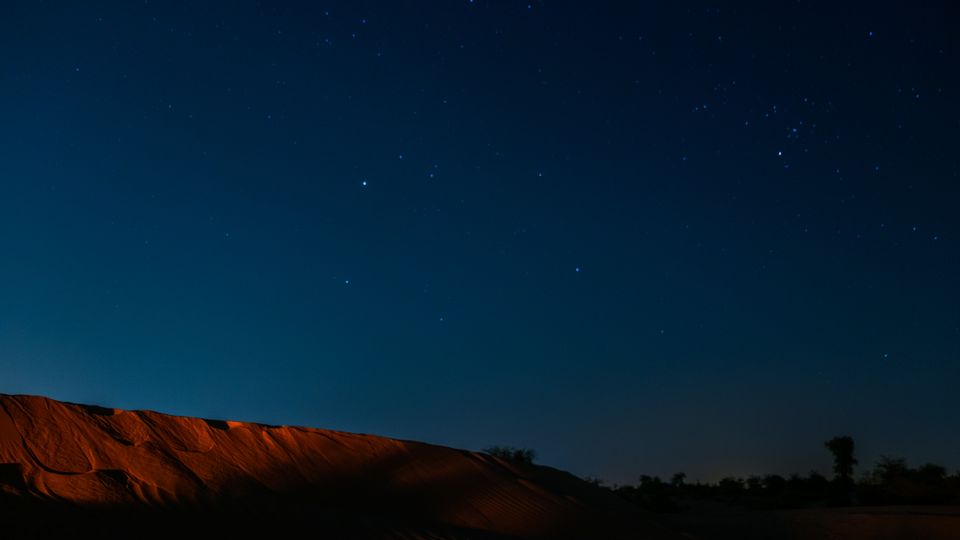
- Camping under a blanket of a million stars in the Wahiba Sands desert, the silence broken only by the crackle of your campfire.
- Savouring a delicious Omani Shuwa (slow-cooked lamb) at a local restaurant (expect to pay OMR 8-15 for a good meal).
The contrast between the exhilarating rush of the waves and the serene beauty of the desert or mountains is something truly special. It’s a holistic adventure that will invigorate your body and soothe your soul.
Ready to Ride?
Oman is not just a destination; it's an experience, a journey into the heart of authentic Arabia, with the added thrill of incredible, uncrowded waves. From the gentle, playful breaks of Sifah to the powerful swells of Khareef-laden Mughsail, there's a wave here waiting for you.
I've shared my favourite spots, my personal stories, and the practical details you'll need to plan your adventure. Now, it's your turn. Pack your bags, wax your board, and come discover the unexpected magic of surfing in Oman. The ocean here holds secrets, stories, and unforgettable rides, and I promise you, it's an adventure you'll be telling your friends about for years to come. See you in the water!
Written by Farees
Travel writer and founder of Oman Explorer. Based in Muscat, Oman, with years of experience exploring the Sultanate's hidden gems, ancient forts, stunning wadis, and desert landscapes. Passionate about sharing authentic travel experiences and helping visitors discover the beauty of Oman.
Learn more about the authorMore Articles to Explore


Comments (0)
Sign in to comment
Create a free account or sign in to join the conversation.
No comments yet. Be the first to comment!