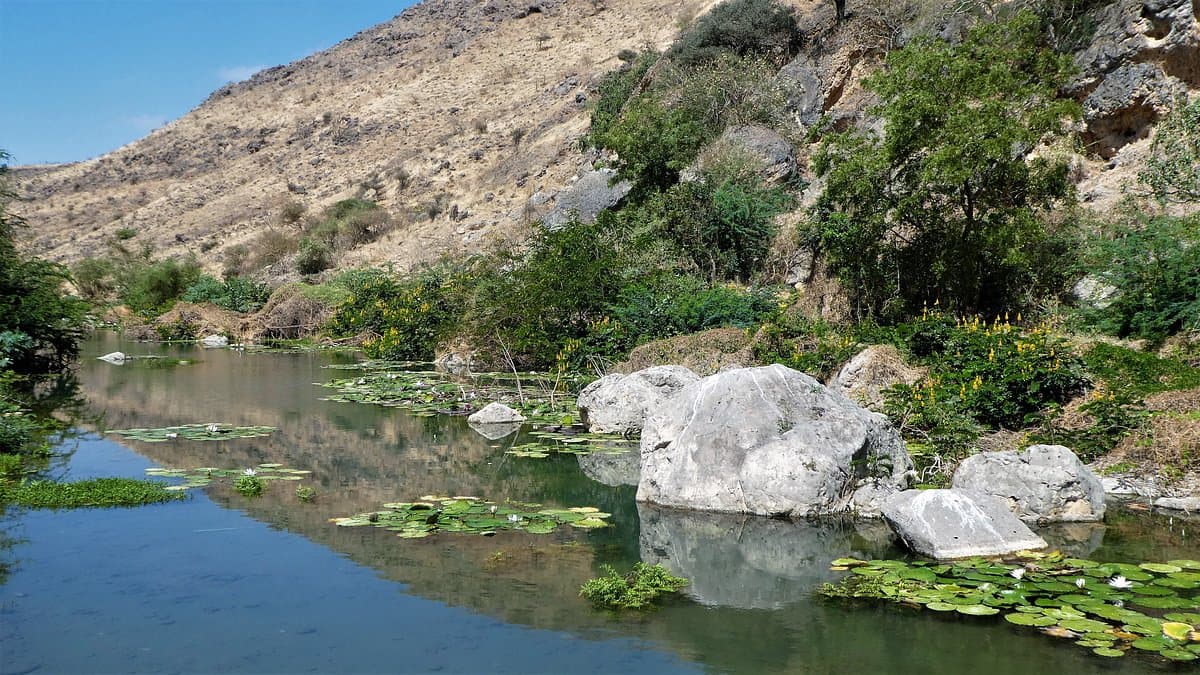
Ain Razat
Ain Razat and Beyond: An Immersive Guide to Natural Springs, Gardens, and Outdoor Adventures Near Muscat
Oman is a land where rugged mountains meet lush oases, where centuries-old traditions blend seamlessly with pristine natural beauty. Amidst this enchanting landscape lies Ain Razat—a verdant haven just southwest of Muscat, celebrated for its cool natural springs, blooming gardens, and tranquil walking paths. While Oman is renowned for its deserts and dramatic coastlines, Ain Razat offers a gentler, greener side to the country: a place where families gather, birds sing, and the air is sweet with the scent of fruit orchards and flowering shrubs.
Whether you’re an adventurer seeking hiking trails, a nature lover drawn to orchards and water features, or simply in search of a peaceful picnic spot, Ain Razat welcomes you with open arms. This expanded guide will transport you there, sharing what to see and do, how to plan your day, and why this oasis is so beloved by locals and visitors alike.
1. Natural Springs and Lush Gardens: The Heart of Ain Razat
A Refreshing Oasis
The first thing you feel upon entering Ain Razat is a sense of serenity. The temperature drops a few degrees, and the gentle sound of flowing water greets your ears. These are the famous natural springs that have sustained this land for generations—cool, clear, and bubbling up from ancient aquifers beneath the earth.
What to Experience:
Shaded Walkways: Stroll along well-tended stone paths flanked by towering date palms, jacaranda trees, and colorful flowerbeds. The gardens are designed for wandering, relaxation, and quiet contemplation.
Sparkling Springs: Peer into the crystal-clear pools fed by the springs. The water is so inviting that you’ll want to dip your fingers in—or, if allowed, splash your feet to cool off on a warm day.
Picnic Areas: Find a shaded bench or a grassy spot beneath the trees. Families often spread out picnic blankets and unpack homemade snacks, enjoying leisurely meals amidst the chirping of birds and the gentle breeze.
Atmosphere: There’s an unmistakable sense of community here. On weekends, you’ll see children playing, parents chatting, and elder family members sipping tea and sharing stories. During quieter times, Ain Razat becomes a retreat for artists, writers, and anyone seeking inspiration from nature’s beauty.
2. Terraced Landscapes and Ancient Water Channels: Oman’s Ingenious Falaj System
Living History in the Gardens
One of the most fascinating aspects of Ain Razat is its terraced landscape—a series of gentle steps carved into the hillsides, each planted with greenery and connected by traditional water channels known as falaj. These channels are more than just practical; they are a living testament to Oman’s ingenuity and respect for the land.
Key Features:
Falaj Irrigation: As you explore, notice how water is carefully directed along stone-lined channels, feeding gardens, orchards, and flower beds. This ancient engineering marvel has been used for over a thousand years in Oman, allowing the land to flourish even in arid conditions.
Terraced Planting: The gardens are arranged on multiple levels, maximizing the use of space and water. Each terrace is a microcosm of colors and textures, from emerald grass to flowering hedges and aromatic herbs.
Photo Opportunities: The interplay of water, light, and greenery creates magical scenes—perfect for photography or simply soaking in the tranquil views.
Why It Matters: These falaj systems are protected as UNESCO World Heritage, and Ain Razat offers a hands-on lesson in sustainable agriculture and community cooperation. They remind visitors that harmony with nature is not a new idea, but a deeply rooted tradition in Omani culture.
3. Hiking Trails: Exploring Hills, Valleys, and Panoramic Vistas
Nature Walks for Every Adventurer
Beyond the gardens, the landscape opens up into rolling hills and valleys, with an inviting network of hiking trails. Whether you’re looking for a gentle walk or a more challenging scramble up rocky slopes, Ain Razat’s surroundings offer something for every level.
Trail Highlights:
Short Walks: Meander along well-marked paths that wind through the gardens and along the springs. These are accessible to families with children or anyone wanting a leisurely stroll.
Hilltop Views: For a little more adventure, follow trails that climb the low hills surrounding Ain Razat. From the top, you’ll be rewarded with sweeping views of the gardens below, the surrounding mountains, and the distant haze of Muscat.
Wadi Explorations: Some trails lead into nearby wadis (dry riverbeds), where you might spot wildflowers, birds, or even small pools after rain.
Nature Encounters: Along the way, keep an eye out for:
Birdlife: Ain Razat is a haven for local and migratory birds—bring your binoculars to spot hoopoes, bee-eaters, or even majestic eagles soaring overhead.
Flora: Depending on the season, the trails are dotted with wildflowers, acacia trees, and fragrant herbs.
Safety and Comfort:
Always wear sturdy walking shoes and a hat.
Carry water, as the Omani sun can be intense even in cooler months.
Stick to marked paths to help conserve the environment and avoid getting lost.
4. Local Fruit Orchards: A Taste of Omani Abundance
Seasonal Delights in the Gardens
Ain Razat and its neighboring farms are home to flourishing orchards that burst with color and flavor, especially from spring into summer. These orchards are both beautiful to behold and central to local life.
What to See and Savor:
Pomegranate Groves: In late spring and early summer, the branches are heavy with jewel-like fruits. The sight of pomegranate blossoms—vivid red against deep green leaves—is a photographer’s delight.
Fig and Citrus Trees: Wander among fig trees with their broad leaves, or citrus groves where lemons, oranges, and limes perfume the air.
Other Fruits: Depending on the time of year, you might also spot apricots, grapes, or even bananas growing in sheltered spots.
Farm Visits: Some local farms welcome visitors for guided walks or fruit-tasting sessions. If you have the chance, don’t miss trying freshly picked fruit—the flavors are unmatched.
Cultural Note: Fruit from these orchards often finds its way into local markets, juices, desserts, and the famous Omani hospitality—a bowl of fresh fruit is a common offering to guests.
5. Trip Planning: Practical Advice for a Perfect Visit
Getting There
Ain Razat is conveniently located about 20 kilometers southwest of Muscat, making it a perfect half-day or day-trip destination. The drive is straightforward:
By Car: It takes roughly 30 minutes from Muscat, following clear road signs through scenic countryside. Renting a car is the easiest option for flexibility and comfort.
Parking: There is usually ample parking at or near the gardens’ entrance.
Public Transport: While there are occasional buses or shared taxis, a private vehicle is recommended for convenience and to allow for stops at nearby attractions.
Best Time to Visit
Oman’s climate varies dramatically throughout the year:
Cooler Months (October to April): Pleasant temperatures, lush greenery, and vibrant blooms make this the ideal time for outdoor activities and photography.
Summer (May to September): Temperatures can soar, especially at midday. If visiting in summer, plan to arrive early in the morning or later in the afternoon, when the air is cooler and the gardens feel more peaceful.
What to Bring
Maximize your enjoyment with a few essentials:
Comfortable Walking Shoes: The gardens and trails can be uneven or damp near water channels.
Water and Snacks: While amenities may be available, bring your own to ensure you stay hydrated and energized.
Hat and Sunscreen: Protection from the sun is vital, even in shaded areas.
Camera: Ain Razat’s natural beauty is irresistible for photography—capture everything from sunlight filtering through the palms to the intricate falaj channels and colorful fruit.
Safety and Etiquette
Ain Razat is a place of natural and cultural significance. Please:
Respect the Environment: Dispose of litter properly and avoid picking flowers or disturbing plant life.
Stay on Paths: This helps protect delicate gardens, irrigation systems, and wildlife habitats.
Dress Modestly: Omani culture values modesty, especially during weekends or holidays when local families visit. Light, loose clothing that covers shoulders and knees is ideal for both comfort and respect.
Quiet Enjoyment: Keep noise to a minimum, especially near families or picnickers—Ain Razat is cherished for its peaceful ambiance.
6. Sample Itinerary for a Memorable Half-Day at Ain Razat
To help you plan, here’s a suggested itinerary that balances relaxation, exploration, and local flavor:
Early Morning:
Depart Muscat after an early breakfast, enjoying the scenic drive southwest to Ain Razat.
Arrive as the gardens open for the quietest, coolest part of the day.
Mid-Morning:
Begin with a leisurely walk through the gardens and along the springs. Listen to the water, watch for birds, and take in the lush surroundings.
Find a shaded spot for a picnic breakfast or snack. Bring traditional Omani dates, bread, and coffee for a local touch.
Late Morning:
Explore the terraced landscapes and falaj systems, stopping for photos and to observe the water management techniques in action.
Take a short hike up one of the trails for panoramic views of the gardens, surrounding hills, and distant Muscat.
Noon/Early Afternoon:
Visit a nearby orchard if possible, or simply relax in the gardens, reading or napping under the trees.
Return to Muscat before the heat of the day, feeling refreshed and rejuvenated.
7. Top Tips for an Enjoyable Visit
Weekday Visits: For maximum tranquility, visit on a weekday—weekends and holidays see a surge of families and groups, creating a festive but busier atmosphere.
Combine Destinations: Make a day of it by pairing Ain Razat with a stop at the Bait Al Baranda Museum or a waterside stroll at Al Mouj Marina. This way, you experience both nature and culture.
Picnic Perfection: Bring a well-packed picnic basket, a mat, and perhaps a book or sketchpad. The gardens are perfect for unwinding.
Hydration and Sun Protection: Always drink plenty of water and reapply sunscreen, especially if you’re hiking or picnicking during the warmer months.
Cultural Awareness: Fridays and Saturdays are the weekend in Oman—expect more local visitors, and be extra mindful of modest dress and respectful behavior.
8. The Spirit of Ain Razat: Why This Place Matters
Ain Razat is more than a scenic spot; it is a living symbol of Omani resilience, ingenuity, and hospitality. The gardens and springs are lovingly maintained, and the falaj channels represent centuries of sustainable agriculture and communal effort. Visitors are invited not only to enjoy the beauty but to become part of the place’s ongoing story—by treading lightly, learning from the land, and sharing in its peace.
A Place to Breathe and Belong: Here, the stresses of city life melt away. The rhythm of flowing water, the dappled sunlight, and the laughter of families create an atmosphere of joy and tranquility. Whether you’re savoring a fresh fig or meditating beside a babbling stream, Ain Razat offers something truly rare: a sense of belonging to both nature and community.
Conclusion: Your Invitation to Oasis Living
A day at Ain Razat is an invitation to slow down, reconnect with nature, and experience Oman’s deep-rooted traditions of stewardship and welcome. From the sparkling springs and terraced gardens to the ancient falaj channels and fragrant orchards, every step brings discovery and delight.
So, gather your loved ones, pack your favorite snacks, and set out for a day of wonder. With every breath of fresh air and every moment spent in the shade of the palms, you’ll understand why Ain Razat is one of Oman’s most treasured escapes—an oasis of life, laughter, and lasting memories, just a stone’s throw from Muscat’s bustle.
Let the adventure begin!
Written by Farees
Travel writer and founder of Oman Explorer. Based in Muscat, Oman, with years of experience exploring the Sultanate's hidden gems, ancient forts, stunning wadis, and desert landscapes. Passionate about sharing authentic travel experiences and helping visitors discover the beauty of Oman.
Learn more about the authorMore Articles to Explore



Comments (0)
Sign in to comment
Create a free account or sign in to join the conversation.
No comments yet. Be the first to comment!