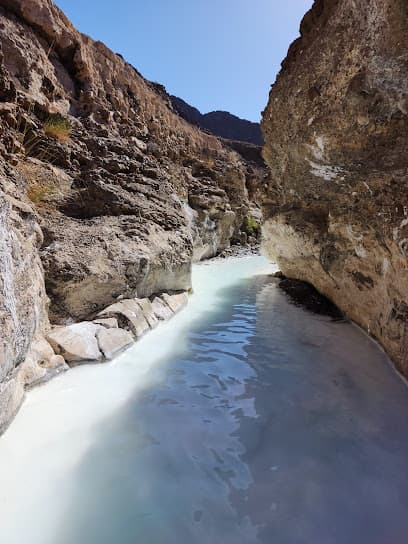
Ain Sahban Sulphur Spring
A Journey to Ain Sahban: Natural Springs, Mountain Beauty, and Authentic Omani Life
Nestled in the heart of Oman’s mighty Al Hajar Mountains lies a hidden gem cherished by locals and increasingly sought out by travelers: the natural sulphur hot springs of Ain Sahban. This tranquil destination is more than just a place to soak in mineral-rich waters; it offers a rare opportunity to slow down, reconnect with nature, and experience the rhythms of traditional mountain life.
From the moment you leave the bustle of Muscat behind and journey into the rugged embrace of the mountains, you’ll sense that this is a special corner of Oman—one that rewards the curious, the adventurous, and anyone yearning for genuine relaxation.
Places to See & Things to Do
1. Natural Sulphur Hot Spring: A Bath in Nature’s Healing Waters
The main attraction at Ain Sahban is, without a doubt, the natural sulphur hot spring. Here, steaming mineral-laden water bubbles up from deep within the earth, creating pools that have drawn people for generations. Locals and visitors alike come to soak in these warm waters, which are renowned throughout Oman for their therapeutic qualities.
As you slip into the spring, you’ll feel your muscles relax and your mind begin to unwind. The water’s distinctive scent—slightly earthy, with a touch of minerals—takes a little getting used to, but it’s a sign of the spring’s natural potency. Many believe that regular bathing in the sulphur spring can help soothe skin irritations and joint aches, and even offer relief from chronic ailments. Whether or not you’re seeking healing, there’s no denying the comfort and tranquility that comes from letting the warm water envelop you, surrounded by pure mountain air and the gentle sounds of nature.
2. Scenic Mountain Setting: The Majesty of the Al Hajar Range
Ain Sahban isn’t just about the water—it’s about its breathtaking setting. The Al Hajar Mountains rise dramatically all around, their jagged peaks and rolling foothills creating a panorama that shifts with the light. In the early morning, soft mists may cling to the slopes, while midday brings crisp sunlight and vibrant colors: deep green shrubs, golden grasses, and the pale, weathered stone of the mountains themselves.
You’ll find yourself compelled to pause and simply breathe it all in. The air is noticeably fresher and cooler than down in the lowlands, especially during the winter and early spring months. The tranquility of this place is tangible—a rare kind of peace that seeps into your soul, inviting you to linger a little longer.
3. Traditional Bathing Facilities: An Authentic Omani Experience
Unlike commercial spas, the bathing facilities at Ain Sahban are simple but authentic. Modest pools have been built to collect the spring water, and the design honors traditional Omani bathing culture. Water flows continuously through the pools, ensuring that it’s always clean and fresh.
Here, the experience is communal and unpretentious. Local families often visit together, and there’s a sense of respect and camaraderie among bathers. Modest changing spaces may be available, but most visitors bring towels and wrap up in robes or long garments when not in the water. The focus is on enjoying nature’s gifts in a pure, unspoiled setting—a world away from the distractions of modern life.
4. Nearby Hiking Trails: Exploring the Al Hajar Wilderness
Beyond the springs themselves, Ain Sahban is a gateway to some of Oman’s most scenic hiking and walking trails. The area offers a range of options, from gentle strolls suitable for families to more challenging hikes for seasoned explorers.
As you follow the winding paths, you’ll discover a landscape rich in variety. Wildflowers bloom in hidden hollows; hardy acacia and juniper trees cling to rocky outcrops. Birds flit overhead, and if you’re lucky, you might spot a mountain fox or even a nimble ibex among the cliffs. The silence is profound, broken only by the wind and the soft crunch of your footsteps.
Each trail reveals its own surprises—perhaps a hidden waterfall, a dramatic viewpoint, or a grove where the only sound is the gurgle of a mountain stream. Take your time, bring a camera, and let the mountains reveal their secrets at their own gentle pace.
5. Local Village Visits: A Window into Omani Hospitality
No journey to Ain Sahban is complete without visiting one of the nearby mountain villages. Here, life unfolds much as it has for centuries. Stone houses cluster together on the hillsides, shaded by ancient trees and surrounded by terraced fields. The pace is unhurried, and the welcome is warm.
Villagers greet visitors with genuine hospitality, often offering dates, fresh fruit, or a cup of steaming Omani tea. If you’re fortunate, you may be invited into a local home or to observe daily routines—baking bread in traditional ovens, weaving baskets from palm fronds, or tending to goats and chickens.
This is a chance to see a quieter, more traditional side of Oman—one where community, family, and respect for nature are woven into everyday life. Don’t rush your visit; instead, savor the conversations, the laughter of children, and the timeless beauty of stone lanes and blooming gardens.
Trip Advice
Getting There: The Road to Tranquility
Ain Sahban is located about a 90-minute drive from Muscat, making it an easy day trip or a peaceful overnight escape. The journey itself is part of the adventure. As you leave the capital’s busy streets, the landscape transforms—urban sprawl gives way to open countryside, then to the dramatic rises and folds of the Al Hajar Mountains.
The roads are paved and generally well-maintained, but as you approach the mountains, they can become narrow and winding. A car with good ground clearance is recommended, as you may encounter uneven surfaces, especially after heavy rain. Take your time, drive carefully, and enjoy the unfolding views—the approach to Ain Sahban is dotted with scenic overlooks and opportunities to stop for photos.
Best Time to Visit: Mountain Magic in the Cooler Months
The best time to visit Ain Sahban is between October and April, when the weather is at its most pleasant. During these months, temperatures are moderate, and the air is clear—a perfect combination for both soaking in the springs and exploring the outdoors.
Avoid visiting during the peak of summer, when the heat can be intense, or immediately after heavy rains, when mountain roads may become slippery or impassable. Always check weather conditions before setting out, and if in doubt, ask a local for advice.
What to Bring: Packing for a Perfect Day
A day at Ain Sahban is best enjoyed with a little preparation. Here’s what you’ll want to have on hand:
Swimwear or bathing clothes: Choose something comfortable and modest, as you’ll be sharing the pool with others.
Towel and a change of clothes: After your soak, you’ll appreciate dry, clean clothes for the journey home.
Comfortable shoes: If you plan to walk or hike, sturdy shoes are essential. The terrain can be rocky and uneven.
Water and snacks: While you may find small shops in nearby villages, it’s wise to bring your own refreshments, especially if you plan to hike or linger in the mountains.
Camera: The scenery is spectacular, from sweeping mountain vistas to the intricate details of wildflowers and village life.
Sun protection: Even in cooler months, the mountain sun can be strong. Bring a hat, sunglasses, and sunscreen.
Safety and Etiquette: Honoring Nature and Tradition
Respect for local customs and the environment is central to the Ain Sahban experience:
Dress modestly: Outside of the bathing area, wear clothing that covers shoulders and knees, in keeping with local norms.
Quiet enjoyment: The springs are a place of relaxation and reflection. Avoid loud music or disruptive behavior.
Protect the springs: Never use soap, shampoo, or detergents in the spring water. These can harm the delicate ecosystem and diminish the experience for others.
Leave no trace: Pack out all your trash and leave the area as you found it.
Interaction with locals: Always ask before taking photographs of people, and greet with a smile or a polite “Salam Alaikum.”
Sample Itinerary (Half-Day Experience)
Early Morning: Depart Muscat
Rise early to make the most of the day. The drive through changing landscapes is a pleasure in itself—watch as the light shifts over the mountains and villages come to life with the day’s first bustle.
Mid-Morning: Arrive at Ain Sahban
Upon arrival, take time to explore the area before slipping into the soothing embrace of the sulphur springs. Let the natural warmth relax your body and mind. Spend an hour or so alternating between soaking and simply enjoying the serenity of your surroundings.
Late Morning: Short Hike and Mountain Exploration
After your bath, set out on one of the nearby trails. Even a short walk will reward you with stunning views and a closer look at the region’s unique flora and fauna. Pause often to appreciate the stillness and the sweep of the landscape.
Noon: Visit a Nearby Village
Head to a nearby village for refreshments. Many villages have small cafes or shops where you can buy dates, fruit, or a refreshing cup of Omani tea. If time allows, browse handcrafts or chat with local residents—these encounters are often the most memorable part of the journey.
Early Afternoon: Return to Muscat
Begin your journey back, perhaps stopping along the way for more photos or a final walk. You’ll return to Muscat refreshed, with memories of a day spent in nature’s embrace and among welcoming people.
Top Tips for a Memorable Visit
Bring your own bathing essentials: Facilities are basic, so pack everything you need for comfort and hygiene.
Arrive early: The springs are most peaceful in the morning, before larger groups arrive.
Combine your adventure: Pair your trip with a visit to Jebel Akhdar or another nearby mountain destination for hiking, cooler weather, and even more dramatic scenery.
Check road conditions: Always check the weather before you travel, as mountain conditions can change quickly.
Stay hydrated: The mountain air is dry, and being active can quickly deplete your energy. Drink plenty of water.
Plan for flexibility: Allow time for unplanned stops—sometimes the best moments happen when you wander off the beaten path.
Embracing the Spirit of Ain Sahban
What sets Ain Sahban apart is not just the water or the scenery, but the way it invites you to slow down and savor the moment. Here, the pace of life is dictated by the rhythms of nature and tradition. Sitting beside the spring, chatting with villagers, or wandering a mountain trail, you’ll discover a sense of peace that’s hard to find elsewhere.
You may come for the healing waters, but you’ll leave with something even more valuable: a renewed connection to the land, a glimpse of authentic Omani life, and a storehouse of memories that will call you back to the mountains again and again.
So take your time. Breathe deeply. Open your heart to the beauty and hospitality that define this extraordinary place. Ain Sahban is waiting to welcome you—not just as a visitor, but as a cherished guest in one of Oman’s most magical corners.
In summary:
A trip to Ain Sahban is more than a day out—it’s an invitation to immerse yourself in the restorative powers of nature, the warmth of Omani hospitality, and the timeless beauty of the mountains. Whether you seek relaxation, adventure, or cultural discovery, you’ll find it here, in abundance. Let the springs soothe you, let the mountains inspire you, and let this journey remind you of the simple, enduring joys of travel.
Written by Farees
Travel writer and founder of Oman Explorer. Based in Muscat, Oman, with years of experience exploring the Sultanate's hidden gems, ancient forts, stunning wadis, and desert landscapes. Passionate about sharing authentic travel experiences and helping visitors discover the beauty of Oman.
Learn more about the authorMore Articles to Explore



Comments (0)
Sign in to comment
Create a free account or sign in to join the conversation.
No comments yet. Be the first to comment!