Camel Trekking in Oman: Your Guide to Desert Experiences
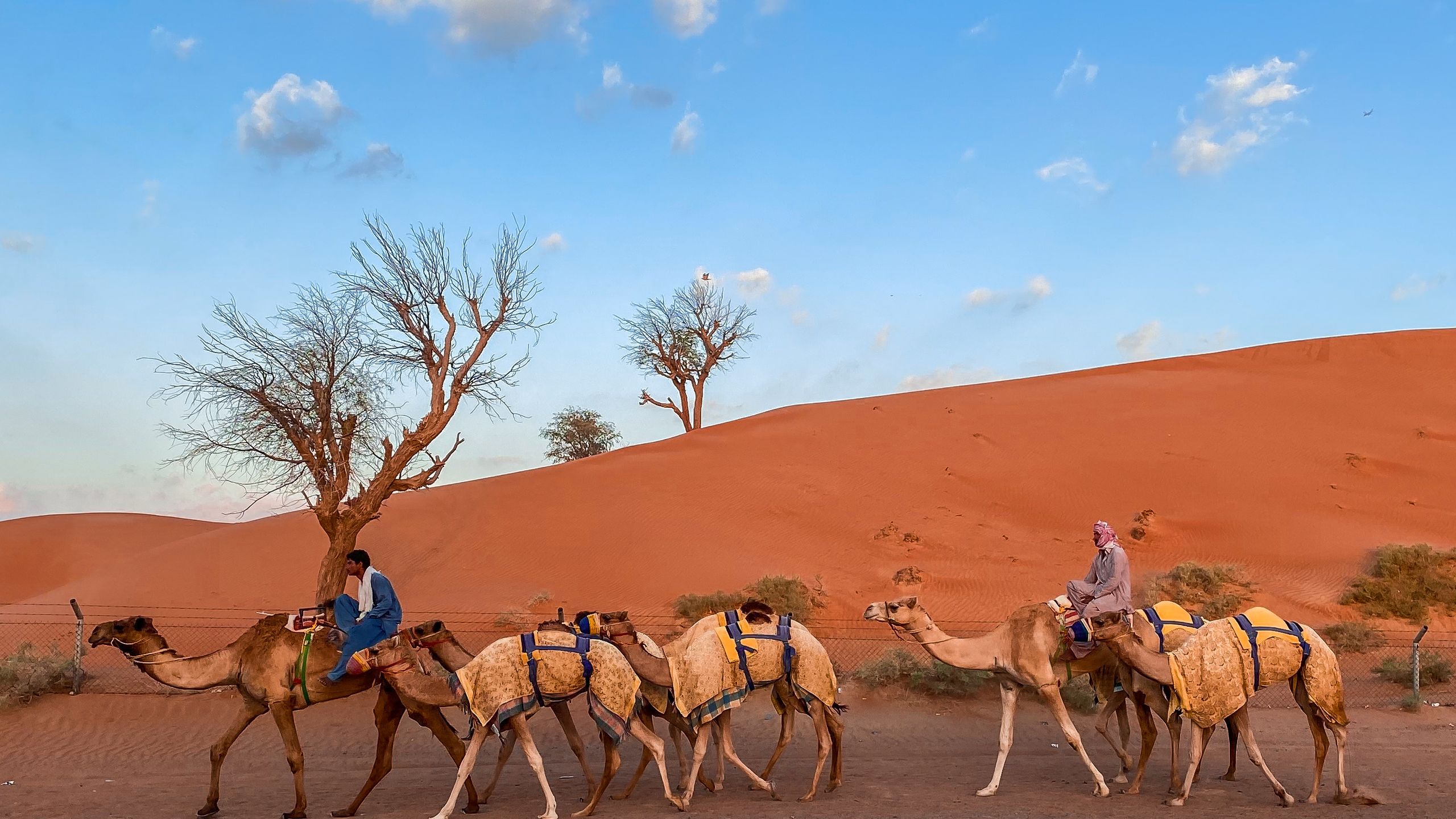
You might think camel trekking is just a bucket-list photo op, a brief ride for a quick selfie. But here in Oman, it’s an invitation to rediscover stillness, a profound journey back in time, an experience far more visceral and captivating than any Instagram feed can capture. Forget the fleeting tourist attraction; this is about embracing the ancient rhythm of the desert, connecting with a landscape and a culture that has shaped this land for millennia.
As someone who has spent countless hours exploring the diverse landscapes of my homeland, I can tell you that few experiences resonate as deeply as a camel trek through the Omani sands. It’s not just about sitting atop a gentle giant; it’s about the slow, deliberate sway, the silence broken only by the soft padding of hooves on sand, the vastness of the dunes stretching to the horizon, and the feeling of the warm sun on your skin. It’s a chance to truly disconnect from the modern world and immerse yourself in the profound beauty of our desert.
If you’re dreaming of an authentic desert adventure in Oman, one that goes beyond dune bashing and luxury camps (though those are wonderful too!), then camel trekking is calling your name. Let me walk you through everything you need to know, from preparing for your journey to choosing the perfect trek, all from a local's perspective, helping you plan an unforgettable experience.
Why Camel Trekking in Oman is an Unforgettable Journey
Oman’s deserts, particularly the vast Sharqiyah Sands (often called Wahiba Sands) and the legendary Rub' al Khali (Empty Quarter), are not just stretches of sand; they are living landscapes steeped in history and culture. Unlike some commercialized camel rides you might find elsewhere, a camel trek in Oman is often intertwined with the Bedouin way of life. These are the people who have lived in harmony with the desert for centuries, and their camels are not just animals, but integral companions in their survival and culture.
When you embark on a camel trek here, you’re not just a passenger; you’re an observer, a participant in a timeless tradition. I remember my first significant trek deep into Wahiba Sands, guided by an elder Bedouin named Salim. He spoke little English, but his eyes, crinkled by years of desert sun, conveyed more wisdom than a thousand words. He showed me how to feel the subtle shifts in the sand, pointed out desert flora I’d never noticed, and shared tales of his ancestors under a sky so thick with stars it felt like a blanket. That’s the magic of it – the genuine connection, the quiet respect for the land, and the profound sense of peace that settles over you.
Preparing for Your Desert Journey
Even though camel trekking isn't physically strenuous, a little preparation goes a long way to ensure your comfort and enjoyment in the desert environment.
What to Pack: Essentials for Desert Comfort
- Clothing: Think loose, light, and breathable. Long sleeves and trousers are highly recommended to protect against the sun and sand. Natural fabrics like cotton or linen are ideal. For women, a head covering (scarf) is respectful and practical for sun protection. Remember, Oman is a conservative country, so modest clothing is always appreciated.
- Footwear: Closed-toe sandals or light, comfortable walking shoes are best. You'll likely be walking a bit to mount and dismount, and you want to keep sand out. Avoid open-toed flip-flops.
- Sun Protection: The Omani sun is intense! A wide-brimmed hat, sunglasses, and high-SPF sunscreen are non-negotiable.
- Water Bottle: Stay hydrated! Most tours provide water, but having your own reusable bottle is environmentally friendly and ensures you always have a sip when you need it.
- Small Backpack: For your camera, water, and other small essentials.
- Camera: You'll want to capture the breathtaking landscapes, but remember to also put it away and just be present.
- Cash (OMR): Small denominations for any snacks, souvenirs, or tips you might want to give.
- Personal Medications: If you have any specific medical needs, bring your medication.
Physical and Mental Preparation
Riding a camel is a unique sensation. It's a gentle, rhythmic sway, but it requires a bit of core strength and balance, especially when the camel stands up or kneels down. Don’t worry, it’s not like riding a wild horse! Most people, even those with limited riding experience, find it comfortable after a few minutes.
Mentally, prepare to slow down. The pace of a camel trek is inherently unhurried. Embrace the quiet, the vastness, and the opportunity to disconnect from digital noise. My best advice? Leave your phone in your bag for long stretches and just absorb the landscape with your own eyes.
Choosing Your Camel Trekking Experience
Oman offers a range of camel trekking experiences, from short rides to multi-day expeditions. Your choice will depend on your time, budget, and desired level of adventure.
Types of Treks Available
- Short Rides (1-2 hours): Perfect for a taste of camel riding, often offered as an add-on to desert camp stays in Wahiba Sands. Great for families or those with limited time.
- Half-Day Treks (3-4 hours): A more immersive experience, allowing you to venture deeper into the dunes and truly feel the desert's embrace. Often includes a break for tea and snacks.
- Overnight Treks with Desert Camp (2 days/1 night): This is by far the most popular and recommended option. It combines a significant camel trek (usually a few hours in the afternoon, and another hour or two in the morning) with an unforgettable night under the stars at a traditional Bedouin camp. You get to witness both sunset and sunrise over the dunes, which is absolutely magical.
- Multi-Day Expeditions (2-5+ days): For the true adventurers seeking a deep immersion. These treks are usually custom-designed, taking you to remote parts of the Sharqiyah Sands or even into the fringes of the Rub' al Khali. They involve sleeping in basic Bedouin tents or even under the open sky.
Key Trekking Regions
Sharqiyah Sands (Wahiba Sands)
This is the most accessible and popular desert for camel trekking in Oman, located approximately 200 kilometres south of Muscat. The golden, undulating dunes stretch for miles, creating a picturesque landscape perfect for photography and desert exploration.
- Location: East of the Al Hajar Mountains, easily reachable from Muscat or Sur. The main entry point is the town of Bidiyah or Al Wasil.
- How to get there: Most tour operators will arrange 4x4 transport from Muscat directly to their desert camps or the starting point of your trek. If you're driving yourself, a 4x4 is essential to navigate the sandy tracks to the camps.
- Typical Experiences: Short rides, half-day, and overnight treks are widely available here. Many desert camps (both luxury and traditional) offer camel rides as part of their package or as an optional add-on.
- My Anecdote: I remember one early morning trek near Al Wasil. The air was crisp and cool, carrying the faint scent of desert sage. As the sun began to paint the eastern sky in hues of orange and pink, the shadows of the dunes stretched impossibly long and sharp. My camel, a placid male named 'Sahab' (cloud), lumbered steadily, and from my vantage point, I felt like I was floating above a sea of molten gold. It’s a sight that stays with you, etching itself into your memory.
Rub' al Khali (The Empty Quarter)
This is the largest sand desert in the world, stretching across Saudi Arabia, Yemen, UAE, and Oman. The Omani portion is vast, remote, and truly for the adventurous and well-prepared. Treks here are logistically more complex and typically require specialized tour operators.
- Location: Far western Oman, bordering Saudi Arabia. Access is usually from Salalah or through remote routes in the interior.
- Logistics: You absolutely need a specialized, experienced tour operator with extensive desert navigation skills and robust 4x4 support. These are not DIY trips.
- Experience: Expect unparalleled vastness, profound isolation, and towering dunes that make Wahiba Sands look modest. This is where you go to truly feel the immensity of nature and the silence of the world. It’s a more rugged and demanding experience, but incredibly rewarding for those seeking ultimate solitude.
- Note: Camel treks in Rub' al Khali are often part of longer overland expeditions, rather than standalone rides, due to the extreme remoteness.
What to Expect on a Camel Trek
Meeting Your Camel and Guide
Before you even begin, you’ll be introduced to your camel. Each one has its own personality – some are calm and stoic, others a bit more playful. Your Bedouin guide will be an expert, often having grown up with camels, and will teach you how to mount and dismount safely. Don't be surprised if they have a special bond with their animals; it's a partnership forged over generations.
The Ride Itself: A Rhythmic Journey
Once you’re atop, holding onto the saddle, the camel will slowly rise, first on its hind legs, then its front. It’s a bit of a lurch, but perfectly safe. Then, you settle into the rhythm. The camel’s gait is a slow, rocking sway that can be surprisingly meditative. You’ll feel the warmth of its back through the saddle, hear the soft creak of the leather, and the rhythmic padding of its broad feet on the sand.
The views are simply spectacular. The desert unfolds around you in a panorama of ever-shifting colours – golden in the morning, brilliant orange at midday, and deep amber as the sun dips. You’ll see the intricate patterns etched into the sand by the wind, the occasional hardy desert plant, and perhaps even a gazelle or an oryx in the distance. The silence is often the most striking aspect; it’s a deep, profound quiet, broken only by the wind whispering across the dunes or the occasional call of your guide.
Desert Camps: An Overnight Oasis
For those opting for an overnight trek, the desert camp experience is the perfect complement to the camel journey. As the sun begins its descent, painting the sky in fiery hues, you’ll arrive at a traditional Bedouin-style camp. These camps range from relatively simple tented accommodations to more luxurious options with private bathrooms.
You'll be welcomed with Omani hospitality – often dates and strong, aromatic coffee. As dusk deepens, the camp comes alive with the glow of lanterns and a crackling campfire. Dinner is usually a delicious affair, often featuring traditional Omani dishes like 'shuwa' (slow-cooked lamb or goat) or grilled meats, fresh salads, and local bread, all enjoyed under a canopy of countless stars. This is where the real stories are shared, where you can learn about Bedouin culture from your hosts, and where the desert truly casts its spell.
Waking up in the desert is equally enchanting. The air is cool and fresh, and the first rays of dawn slowly illuminate the dunes, bringing them to life in soft, pastel colours. A simple Omani breakfast (often flatbread, honey, cheese, and tea) awaits before your morning trek back, leaving you refreshed and deeply connected to the desert's soul.
Recommended Tour Operators and Prices (Estimates)
It's crucial to book your camel trek with a reputable operator. Prices can vary significantly based on the duration, inclusions (like meals, accommodation, other activities), and the level of luxury of the camp.
Wahiba Sands (Sharqiyah Sands) Operators
- 1000 Nights Camp: One of the most popular and well-regarded camps. They offer various camel trekking options, often included or as an add-on to their overnight stays. They provide comfortable Bedouin-style tents and good service.
- Desert Nights Camp: A more luxurious option, offering high-end desert glamping. They typically include short camel rides as part of their packages.
- Local Bedouin Operators: For a truly authentic experience, consider booking directly with local Bedouin families or smaller, independent operators in towns like Al Wasil or Bidiyah. They often provide a more rustic and personal trek. Ask your hotel or guesthouse for recommendations, or look for small tour offices in these towns.
Price Estimates (in Omani Rials - OMR):
- 1-2 Hour Camel Ride: OMR 15-30 per person. Often an add-on to a camp stay.
- Half-Day Camel Trek (3-4 hours): OMR 40-70 per person. May include light refreshments.
- Overnight Camel Trek (2 days/1 night): This typically includes a several-hour camel trek, 4x4 transport to/from the desert edge, an overnight stay at a desert camp (dinner and breakfast included), and sometimes other activities like dune bashing or a visit to a Bedouin family. Prices range from OMR 90-180 per person, depending on the camp's facilities and the inclusions. Luxury camps will be at the higher end.
- Multi-Day Expeditions (Wahiba Sands): For custom longer treks, expect prices starting from OMR 150-250+ per person per day, depending on the itinerary and support crew.
Rub' al Khali (Empty Quarter) Operators
For the Empty Quarter, you need highly specialized operators due to the extreme remoteness and challenging logistics. These are not casual tours.
- Hud Hud Travels: Known for bespoke, high-end, and expertly guided expeditions into remote areas of Oman, including the Empty Quarter.
- Oman Expeditions: Another reputable operator offering deep desert exploration.
Price Estimates (Rub' al Khali):
Due to the custom nature and extensive logistics, multi-day Empty Quarter expeditions can range from OMR 300-600+ per person per day. These are significantly higher due to the specialized vehicles, expert guides, extensive provisions, and remote support required.
Best Time to Go Camel Trekking in Oman
Timing your visit is crucial for a comfortable and enjoyable desert experience.
- Best Months: October to April. During these months, the desert temperatures are much more pleasant, with warm days and cool, sometimes even chilly, nights. This is ideal for trekking and enjoying the outdoor camp experience.
- Avoid: May to September. These are the summer months when desert temperatures can soar to extreme levels (well over 45°C / 113°F), making any outdoor activity, especially camel trekking, uncomfortable and potentially unsafe.
- Daily Timing: Even during the cooler months, it’s best to schedule your treks for early morning (just after sunrise) or late afternoon (leading up to sunset). This avoids the peak heat of midday and offers the most beautiful light for photography.
Local Tips for an Authentic Experience
- Bargain Respectfully: If you're arranging a trek with independent Bedouin guides, especially for shorter rides, it's customary to bargain a little. Do so with a smile and respect.
- Learn a Few Arabic Phrases: A simple 'Shukran' (thank you), 'Salam alaikum' (hello), or 'Kaif halak?' (how are you?) will go a long way in showing respect and building rapport with your guide.
- Engage with Your Guide: Ask them about Bedouin life, their family, the history of the desert. They are a treasure trove of knowledge and stories. This is where the true cultural exchange happens.
- Leave No Trace: The desert is a fragile ecosystem. Take all your rubbish with you, and do not disturb any flora or fauna.
- Disconnect: While taking photos is a must, try to spend significant portions of your trek simply observing and being present. The desert offers a rare opportunity for digital detox.
- Hydrate Constantly: Even in cooler months, the dry desert air can lead to dehydration. Drink water regularly, even if you don't feel thirsty.
- Consider a Private Trek: If your budget allows, a private trek offers a more personalized experience, allowing you to set your own pace and spend more time at specific spots.
Safety and Comfort Considerations
- Reputable Operators: Always book with tour operators who have good reviews and a strong safety record. They will ensure the camels are well-cared for, the guides are experienced, and emergency procedures are in place.
- Listen to Your Guide: Your Bedouin guide knows the desert and the camels intimately. Always follow their instructions.
- Stay Hydrated: I can’t stress this enough. Dehydration is a real risk in the desert.
- Basic First Aid: While tour operators will have first aid kits, carrying a small personal kit with essentials like pain relievers, band-aids, and any personal medications is always a good idea.
- Sun Protection: Again, critical. Sunburn and heatstroke can quickly ruin your trip.
My Final Thoughts and an Invitation to the Sands
Camel trekking in Oman isn't just an activity; it's a journey into the soul of this land. It's a chance to slow down, to breathe in the vastness, to feel the ancient rhythms of the desert beneath you. The sway of the camel, the endless dunes, the silence broken only by the wind – these are the moments that truly connect you to Oman, moments you’ll carry with you long after the sand has left your shoes.
So, come. Let the desert whisper its stories to you. Feel the sun on your skin, the soft sand underfoot, and the quiet majesty of a land that time seems to have forgotten. I promise you, a camel trek in Oman will be more than just a memory; it will be a profound experience that reshapes your understanding of travel, of nature, and perhaps even of yourself. Your desert adventure awaits, and I can't wait for you to experience it.
Written by Farees
Travel writer and founder of Oman Explorer. Based in Muscat, Oman, with years of experience exploring the Sultanate's hidden gems, ancient forts, stunning wadis, and desert landscapes. Passionate about sharing authentic travel experiences and helping visitors discover the beauty of Oman.
Learn more about the authorMore Articles to Explore


Comments (0)
Sign in to comment
Create a free account or sign in to join the conversation.
No comments yet. Be the first to comment!