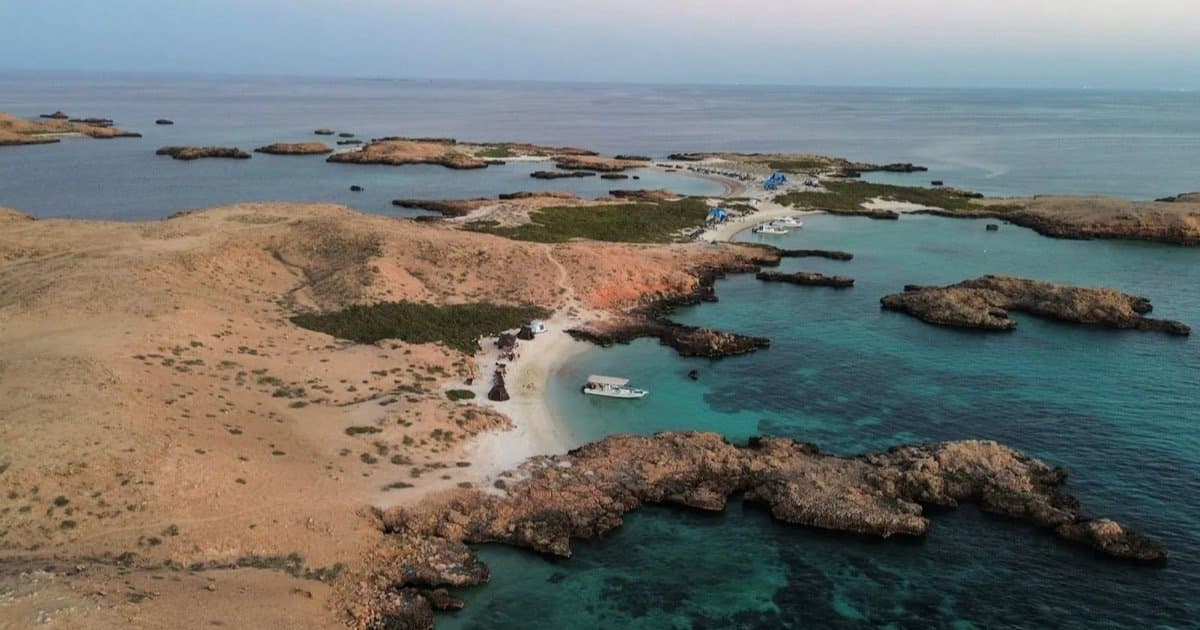
When Can You Land on the Daymaniyat Islands? A Month-by-Month Guide
Most people picture the Daymaniyat Islands the way the photos show them: a white beach, a turquoise lagoon, and a boat at anchor just offshore. What surprises many visitors is that you can only step onto those beaches for half the year. The islands are a protected nature reserve and an important nesting area for sea turtles, and the rules change with the seasons.
If you are planning a trip, the month you choose decides what your day will look like. Here is how the year works.
The short answer
1 November to 30 April: you can land on the island beaches. This is also the only time for overnight camping and for full-day trips with time on the island.
May to October: the beaches are closed to visitors. Boats still go out, weather permitting, and you can snorkel, swim, and dive around the islands. You just stay on the boat between swims.
So the islands are never “closed”. Only the beaches are.
Why the beaches close
From May to October, the islands are left to the turtles. Female turtles come ashore to nest, and keeping people off the sand gives the nests the best chance. The reserve’s rules apply to everyone, including tour boats and private boats, and landing reopens on 1 November each year.
The water around the islands stays open, which is why snorkeling and diving trips run all year.
November to April: the landing season
This is the season most people imagine. A typical half-day snorkeling trip includes about two snorkel stops and some time on an island beach. You can also choose a full day with lunch on the island, or stay the night at an island camp.
A few things to know:
November, December and January are the busiest months, especially around the Eid holidays and New Year. Book a few days ahead if your dates are fixed.
December is when wind cancels the most trips. Strong wind can cancel boat trips at short notice. Over a few days at the end of December 2025, most trips were cancelled and only one or two morning boats went out. If you visit in December, keep a spare day in your plans.
January is the best month for bioluminescence, the blue glow in the water at night that campers sometimes see along the shore. Like all wildlife, it is never guaranteed.
The water stays warm. Even in winter, most snorkelers go in without a wetsuit.
May to October: snorkeling from the boat
Summer trips are quieter than the winter months. Without the beach stop, you spend your time in the water and on the shaded deck of the boat.
Go in the morning. It is cooler, the sea is often calmer, and the water can sometimes be clearer.
Whale sharks are sometimes seen between June and September. They are seasonal and unpredictable, so treat one as a lucky bonus rather than a reason to book.
Camping and full-day island trips are not available until November.
For divers
Diving runs all year. The best conditions are usually from October to May, when the water is pleasant and visibility is at its best, typically 10 to 20 metres. Beginners can do a first dive with an instructor, and certified divers can join guided dives at the reserve’s dive sites. Divers wear a wetsuit; snorkelers usually don’t need one.
Month by month at a glance
January: landing open, camping, busy, best month for bioluminescence
February to April: landing open, camping, less busy than November to January
May: landing closes; boat-only snorkeling and diving begin
June to September: boat-only trips, mornings recommended, whale sharks possible
October: boat-only trips, start of the best diving months
November: landing and camping reopen on 1 November, busy
December: landing open, busy, the most trips lost to wind, keep a spare day
Before you go
Book with a boat company. The islands are a protected reserve, and visits need a reserve permit. Boat companies arrange it for their guests.
Getting there: boats leave from marinas along the Muscat coast. From Seeb Marina the crossing takes about 25 to 30 minutes.
Respect the reserve. Don’t touch or chase turtles, don’t stand on coral, and take nothing from the islands, not even shells.
Wildlife is never guaranteed. Turtles are commonly spotted, but no boat can promise them.
Whichever month you choose, the Daymaniyat Islands are one of the easiest ways to see Oman’s underwater world in a single morning from Muscat. Choose November to April if you want the beach, and the summer months if you would rather have the water to yourself.
About the author
Khubaib Asif runs Daymaniyat Tours, a boat company at Seeb Marina in Muscat that takes guests snorkeling, diving, and camping at the Daymaniyat Islands. Website: daymaniyat.com
Photos: all photos are by Daymaniyat Tours and may be used with this article with the credit “Photo: Daymaniyat Tours”. Full-size files: daymaniyat.com/daymaniyat-islands-photos
Written by Daymaniyat Tours
Contributing writer at Oman Explorer, sharing travel insights and experiences from across the Sultanate of Oman.
Learn more about the authorMore Articles to Explore

Comments (0)
Sign in to comment
Create a free account or sign in to join the conversation.
No comments yet. Be the first to comment!