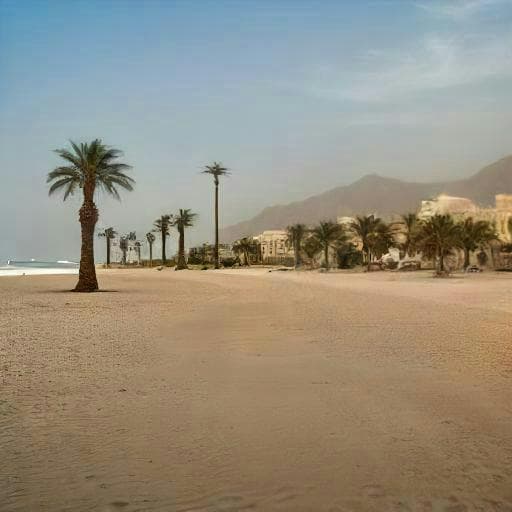
Discover Al Wusta: Oman’s Hidden Gem for Desert Landscapes and Unique Experiences
The Land of Endless Horizons: A Journey Through Al Wusta, Oman
For many travelers, Al Wusta is little more than a blur out the car window—a vast, sun-baked region between Oman's northern cities and the lush southern destination of Salalah. Yet, for those who choose to pause and explore, Al Wusta reveals itself as one of Oman’s most extraordinary and evocative landscapes—a place where the silence is so deep it almost rings in your ears, where the sky stretches forever, and where the boundaries between earth and imagination seem to dissolve. This is a region where the word “empty” takes on a whole new meaning: not barren, but profoundly peaceful, filled with subtle wonders and breathtaking contrasts.
Al Wusta is a place defined by its remoteness, its dramatic natural formations, and its rare wildlife. It is also a land of paradox, where the futuristic industrial ambitions of Duqm rise from the same sands that have cradled ancient rocks and fossils for half a billion years. Here, you can wander from snow-white sand dunes that look more like the surface of the moon than a desert, to wind-sculpted stone gardens that have patiently evolved over millennia, to tranquil pink lakes that seem almost too beautiful to be real. Al Wusta is, in every sense, Oman’s land of endless horizons—and for those who crave adventure, authenticity, and awe-inspiring scenery, it is a destination that will linger in your memory long after you leave.
Things to Do in Al Wusta: Adventures for the Soul
1. The “Sugar Dunes” Expedition
Just outside the humble fishing village of Al Khaluf, a truly otherworldly scene awaits. The “Sugar Dunes” are not your typical desert sands. Here, dazzling white dunes, fine as powdered sugar, roll right down to the electric blues of the Arabian Sea. Walking barefoot across their cool, soft surface at dawn or dusk, you might feel as though you have stepped onto a distant, uncharted planet.
Camping here is a surreal experience: at night, the stars blaze with almost unnatural clarity, and the silence is broken only by the gentle hiss of wind and waves. In the morning, you can watch as the first sunlight sets the dunes aglow, creating a constantly shifting tapestry of light and shadow. Do note that these dunes are remote, and the tracks through the soft sands are not for the inexperienced. Reliable navigation is essential—a knowledgeable local guide or a high-end GPS device is highly recommended, as it’s easy to lose your bearings in this sea of white.
2. Rock Garden Wandering
A short drive from Duqm, the region’s industrial heart, lies the Duqm Rock Garden—a natural open-air museum that covers three square kilometers. Here, the relentless forces of wind and water over millions of years have sculpted limestone and sandstone into fantastical shapes. Some resemble ancient statues, others look like animals frozen in time, and many are simply bizarre, abstract forms that spark the imagination.
Strolling through the Rock Garden feels like walking through a gallery curated by nature itself. The rocks are tinged with subtle hues—ochre, cream, and rust—making the landscape come alive under the shifting desert light. Bring a camera and plenty of water, and take your time: the more you look, the more wonders you will see.
3. Wildlife Safari: Arabian Oryx Sanctuary
Al Wusta is home to one of the world’s great conservation success stories: the Arabian Oryx Sanctuary near Haima. Once hunted to the brink of extinction, the Arabian Oryx—a regal, ghost-white antelope with long, straight horns—is now thriving in this protected wilderness. Visiting the sanctuary is a rare privilege. You may spot small herds moving gracefully through the desert, their pale coats shimmering in the sun and their tracks weaving intricate patterns across the sand.
The sense of isolation here is profound, and the wildlife viewing is exceptional—not only oryx, but also gazelles, foxes, and a remarkable diversity of birds can be found. The sanctuary is a reminder of both the fragility and the resilience of desert life.
4. Birdwatching at Bar Al Hikman
For bird lovers, Bar Al Hikman is a place of pilgrimage. This sprawling peninsula, often called the “Everglades of the Middle East,” is a critical stopover for hundreds of thousands of migratory birds traveling between Africa, Europe, and Asia. The tidal flats and mudbanks teem with life: flamingos wade elegantly through the shallows, great flocks of waders rise and fall in mesmerizing synchrony, and rare species like the spoonbill and the crab plover can be spotted by sharp-eyed observers.
The sheer scale of the birdlife is astonishing, and even casual visitors can’t help but be swept up by the spectacle. The best viewing is during the cooler months, when the birds arrive in their greatest numbers.
Places to See: The Hidden Jewels of Al Wusta
1. The Pink Lakes of Al Jazir
In certain seasons, a stretch of shallow lagoons near the coastal village of Al Kahil transforms into a vision straight from a fantasy novel. Thanks to blooms of specialized algae, the normally blue-green waters take on a striking, strawberry-pink hue. The effect is especially vivid under a midday sun, creating a surreal, almost psychedelic contrast with the golden sand and turquoise sea nearby.
These ephemeral pink lakes are a photographer’s dream. If you’re lucky enough to catch them at their peak, you’ll witness a phenomenon that’s both fragile and fleeting—a perfect metaphor for Al Wusta itself.
2. Ras Madrakah: Rugged Beauty by the Sea
Far from any city lights, the dramatic coastline of Ras Madrakah is a place where the land’s ancient volcanic heart is laid bare. Jagged black rocks tumble down to meet beaches of white sand, and the chilly sea breezes keep the air refreshingly cool even in the height of summer.
This is a favorite spot for wild camping and fishing. At dawn, you can watch the sun rise over the ocean, painting the rocks in fiery shades of red and gold. By day, the beaches are nearly deserted—perfect for beachcombing, swimming, or simply soaking in the raw, elemental beauty of the landscape.
3. Duqm Special Economic Zone: City of the Future
If you’re curious about Oman’s vision for the future, a visit to Duqm is a must. Once a sleepy fishing port, Duqm is now being transformed into a massive industrial and commercial hub—a “city of the future” rising from the desert. The scale is astonishing: world-class hotels, a state-of-the-art port, and wide, modern boulevards where cranes and construction crews work around the clock.
Even if you’re not an investor or business traveler, there is a fascination in watching this urban experiment unfold against the backdrop of the ancient desert. Duqm is a symbol of Oman’s ambition, blending tradition with progress in a uniquely Arabian way.
4. The Haqf Area: A Geological Wonderland
For those interested in earth sciences, the Haqf area is a treasure trove. Here, exposed rock layers and fossil beds tell the story of Oman’s formation over more than 500 million years. You can find ancient stromatolites, petrified wood, and fossilized remains of sea creatures that lived long before dinosaurs walked the earth.
Exploring Haqf is like paging through a natural history book written in stone. It is a humbling reminder of the planet’s immense age, and of our fleeting place within it.
2026 Trip & Itinerary Advice: Planning Your Al Wusta Adventure
Best Time to Visit
The climate of Al Wusta can be extreme—blistering hot in the summer, pleasantly mild in the cooler months. For most travelers, the ideal time to visit is between October and April, when temperatures are comfortable and the desert comes alive with subtle greenery after rare rains.
Interestingly, Al Wusta’s coastal areas, such as Duqm and Ras Madrakah, benefit from the southern monsoon (the “khareef”) breezes. Even when Muscat and other northern cities are baking in the summer sun, these coastal stretches often remain remarkably cool and pleasant. This makes Al Wusta a great “summer escape” for those willing to venture off the beaten path.
Pro Tips: Essential Advice for Safe and Rewarding Travel
Bring the Right Vehicle
Al Wusta’s vast distances and rugged terrain are not to be underestimated. If you plan to explore beyond the main highway, a reliable four-wheel-drive (4WD) vehicle is absolutely essential. Many of the region’s most beautiful sites—including the Sugar Dunes, Bar Al Hikman, and remote beaches—are reached only by sandy or rocky tracks where a standard car is likely to get stuck. Don’t take chances: hire a 4WD and make sure you are comfortable driving on soft sand and rough surfaces.
Fuel and Water: Never Run Low
One of the defining features of Al Wusta is its remoteness. Towns and villages are scattered across hundreds of kilometers, and petrol stations can be few and far between. Always fill up your tank at every opportunity—Haima and Duqm are the main fuel stops—and carry enough fuel for unexpected detours. Water is even more crucial; conditions can change quickly, and you should always carry at least twice as much as you think you’ll need. Extra snacks and emergency supplies are also a wise precaution.
Communication and Safety
Mobile phone coverage in Al Wusta is patchy, especially in the deep desert and along the more isolated coastal stretches. Before heading off-road, let someone know your itinerary and expected return time. A satellite phone or GPS tracker can provide extra peace of mind. Always check the weather forecast and be aware of your surroundings; even experienced travelers can be caught out by sudden sandstorms or unexpected changes in the landscape.
Suggested 3-Day Itinerary: Experience the Best of Al Wusta
Day 1: Muscat to Al Khaluf
Set out early from Muscat for the long but rewarding drive to Al Khaluf, a journey of about five hours.
Arrive at the Sugar Dunes by afternoon. Take time to explore this unique landscape—walk, relax, and photograph the incredible meeting of white sand and blue sea.
As evening falls, set up a wild camp on the dunes. Enjoy a simple meal under a sky ablaze with stars, and let the tranquility of the desert work its magic.
Day 2: Al Khaluf to Duqm and Ras Madrakah
After a sunrise stroll and light breakfast, drive south toward Duqm.
In the afternoon, visit the Duqm Rock Garden. Spend time wandering among the otherworldly rock formations, appreciating the artistry of time and nature.
For the night, choose between the comfort of a modern hotel in Duqm or the wild beauty of camping at Ras Madrakah, where you can fall asleep to the sound of the waves.
Day 3: Duqm to Arabian Oryx Sanctuary and Return
Head inland toward Haima and the Arabian Oryx Sanctuary for a morning wildlife safari. With luck and patience, you’ll see herds of these magnificent antelope moving through their desert home.
After your safari, refuel and stock up before beginning the long drive back to Muscat, or continue southwards if Salalah is your next destination.
Final Thoughts: Embracing the Silence
Al Wusta is not a place of grand cities or bustling crowds. Its power lies in its emptiness, its silence, and the slow, patient rhythms of nature. Here, you are invited to step outside the rush of modern life and experience the world as it must have been countless ages ago—wild, raw, and endlessly beautiful. Whether you come for the surreal landscapes, the rare wildlife, or simply for the joy of discovery, Al Wusta will reward you with memories and stories that last a lifetime. If you travel with respect, curiosity, and a spirit of adventure, you’ll find that this “empty” land is, in truth, a place overflowing with wonder.
Written by Farees
Travel writer and founder of Oman Explorer. Based in Muscat, Oman, with years of experience exploring the Sultanate's hidden gems, ancient forts, stunning wadis, and desert landscapes. Passionate about sharing authentic travel experiences and helping visitors discover the beauty of Oman.
Learn more about the authorMore Articles to Explore


Comments (0)
Sign in to comment
Create a free account or sign in to join the conversation.
No comments yet. Be the first to comment!