Experience Ramadan in Oman as a Tourist
The sun dips below the Hajar Mountains, painting the sky in hues of fiery orange and soft violet. A profound stillness settles over Muscat, a hushed anticipation that hums with spiritual energy. Then, a melodic, resonant call echoes from every minaret, weaving through the quiet streets – the adhan for Maghrib prayer. It’s the sound that signals the end of the day’s fast, the moment families gather, and tables laden with dates, sweet drinks, and savory dishes come alive. This, my friend, is the magic of Ramadan in Oman, and experiencing it as a visitor is truly unlike anything else.
As a local who has lived through countless Ramadans here, I can tell you that while it might seem daunting to visit a Muslim country during its holiest month, Oman opens its heart in a unique way. It’s a time of profound peace, reflection, and incredible generosity. If you approach it with respect and an open mind, you won’t just witness a culture; you’ll be invited into its very essence. Forget any preconceived notions; let me guide you through how to embrace this extraordinary period and make your Omani adventure truly unforgettable.
Understanding Ramadan in Oman: A Gentle Introduction
Ramadan isn't just a month; it's a spiritual journey for Muslims worldwide, including here in Oman. It's a time of fasting from dawn until sunset, abstaining from food, drink, and other physical needs. More than that, it's a period dedicated to prayer, reflection, charity, and strengthening one's connection to God. While the core practices are universal, Oman adds its own gentle, warm touch to the experience, making it particularly welcoming for visitors.
You might be wondering why you should even consider visiting during Ramadan. My honest opinion? It offers a profound cultural immersion that other times of the year simply can't match. The usual bustling energy of the souqs gives way to a more contemplative rhythm during the day, replaced by a vibrant, communal spirit after sunset. You'll witness acts of charity, experience the unique atmosphere of Iftar (the breaking of the fast), and truly feel the pulse of Omani hospitality. It's a chance to see a side of Oman that many tourists miss, a quieter, more spiritual, and deeply authentic facet of our culture.
Ramadan's timing shifts each year, as it follows the lunar calendar. This means it moves forward by about 10-11 days annually. For your planning, here’s a rough guide:
- 2024: Roughly March 10th to April 9th
- 2025: Roughly February 28th to March 29th
- 2026: Roughly February 17th to March 18th
The good news about these timings is that Ramadan often falls during Oman’s cooler months. This is a huge bonus! Exploring ancient forts, hiking in wadis, or strolling through the vibrant Muttrah Souq is much more pleasant when temperatures are a comfortable 20-28°C, rather than the searing summer heat. So, from a climate perspective, it's actually an excellent time to visit.
Daily Life During Ramadan: What to Expect
Adjusting your expectations slightly will allow you to fully appreciate the unique rhythm of Ramadan in Oman. It’s a shift, but a beautiful one.
Daytime Hours: Quiet Reflection and Respect
During the daylight hours, Oman takes on a distinctly subdued pace. Most locals are fasting, and the energy levels are understandably lower. You’ll notice:
- Restaurant Closures: Many local restaurants will be closed during the day. Don't be surprised to find your favourite little Omani eatery or a popular café shuttered until sunset. This is normal. Your best bet for daytime dining will be within major international hotels, which typically keep their restaurants open and often have discreet dining areas for non-fasting guests. Some cafes in tourist-heavy areas might also offer takeaway or shielded dining, but it’s not guaranteed. Supermarkets remain open, so you can always pick up groceries if you have self-catering accommodation.
- Reduced Shopping Hours: Souqs and shops often operate on shorter hours, sometimes closing for a few hours in the afternoon for prayers and rest, reopening later in the evening with a renewed buzz. For example, the Muttrah Souq might open from 9:00 AM to 1:00 PM, then reopen from 8:00 PM to 1:00 AM. Always check specific timings for places you plan to visit.
- Work Hours: The working day for most people is shortened. This means government offices, banks, and some businesses might close earlier than usual. If you have any official errands, plan them for the morning.
- Public Behaviour: This is crucial for tourists. Out of respect for those fasting, it's essential to refrain from eating, drinking, or smoking in public spaces during daylight hours. This includes chewing gum. While you might see a few exceptions in very tourist-centric spots, it's best practice to be discreet. If you need a drink of water or a quick snack, do so privately in your car or hotel room. My personal tip? Always carry a small water bottle in your bag, just in case you need a sip, and save larger meals for your hotel or private space.
The Magic of Iftar: Breaking the Fast Together
As the sun sets, the entire country undergoes a magical transformation. The call to prayer for Maghrib is heard, signaling Iftar – the breaking of the fast. This is the highlight of the day, a moment of profound relief, gratitude, and communal joy. The quiet streets suddenly fill with activity as people rush home or to special Iftar gatherings. The aroma of freshly prepared food fills the air, and a sense of collective happiness is almost palpable.
Where can you experience this wonderful moment?
- Hotel Buffets: Most major hotels in Muscat and other cities offer lavish Iftar buffets. These are a fantastic way to sample a wide array of Omani and international dishes. Expect prices to range from OMR 15 to OMR 25 per person, often including traditional Ramadan drinks like Vimto or jellab. These buffets are popular, so booking ahead is advisable.
- Local Restaurants: Many Omani restaurants, especially after sunset, will offer special Iftar menus or set meals. These are often more budget-friendly, costing around OMR 5 to OMR 10 per person for a generous spread. Look for places bustling with local families – that's usually a good sign! You'll typically start with dates and laban (buttermilk), followed by hearty soups like harira or lentil soup, then a variety of main courses, and finally, delicious Omani sweets.
- Family Invitations: This is a special one. Omani hospitality is legendary, and during Ramadan, it reaches new heights. If you are fortunate enough to be invited to an Omani home for Iftar, accept! It's an incredible honour and an unforgettable experience. My advice? Bring a small gift – a box of quality dates, Omani halwa, or some delightful Omani coffee beans are always appreciated. Just remember to eat with your right hand and compliment the food!
Tarawih Prayers and Late-Night Gatherings
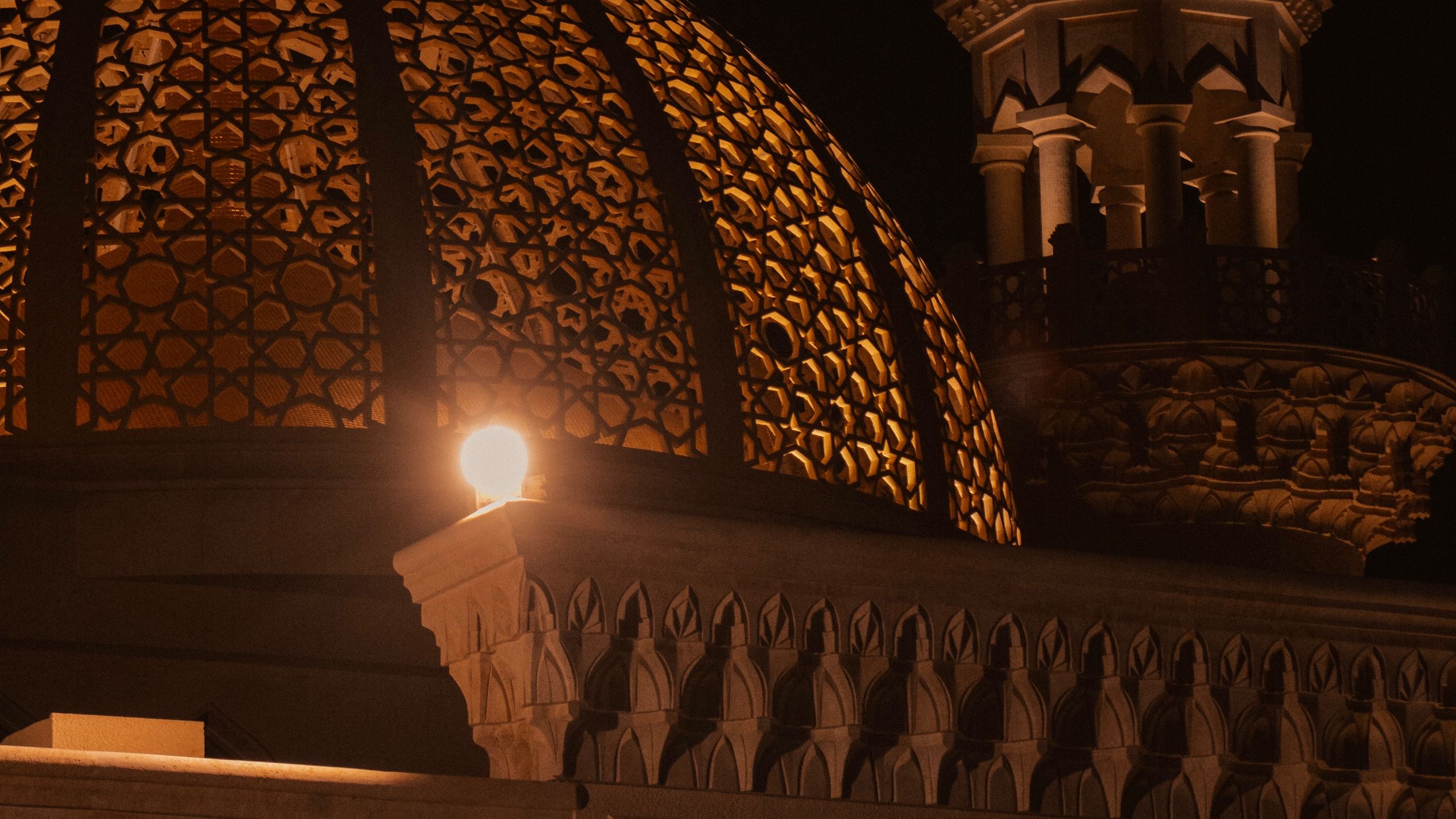
After Iftar, the evening continues with special congregational prayers called Tarawih, performed in mosques. While you won't participate in the prayers themselves, seeing the mosques illuminated and hearing the recitations of the Quran is a beautiful experience. The Sultan Qaboos Grand Mosque, for example, is stunning at night. Remember, if you visit a mosque, women should cover their heads, arms, and legs, and men should wear long trousers and shirts.
Following Tarawih, many Omanis stay up late into the night. You'll find cafes buzzing, families visiting each other, and sometimes even special Ramadan night markets popping up. This is also when Suhour takes place – the pre-dawn meal before the next day's fast begins. Some hotels and restaurants offer late-night Suhour menus, which can be a lovely experience if you're an early riser or simply want to soak in the nocturnal atmosphere.
Embracing Omani Culture: Etiquette and Respect
Showing respect for local customs during Ramadan isn't just polite; it enhances your entire travel experience. It opens doors and fosters genuine connections.
Dress Code: Modesty is Key
While Oman is generally relaxed, Ramadan calls for an extra layer of modesty in dress, both for men and women.
- For Women: Opt for loose-fitting clothing that covers your shoulders, upper arms, and knees. Long skirts, maxi dresses, or loose trousers paired with tops that have at least elbow-length sleeves are perfect. A light scarf to cover your head is essential if you plan to visit a mosque, and it's also a thoughtful gesture in more traditional areas.
- For Men: Long trousers and shirts are appropriate. Avoid shorts and sleeveless tops in public spaces, especially when visiting religious sites or government buildings.
Think light, breathable fabrics like cotton or linen, as even during the cooler months, the Omani sun can be strong. My own experience is that blending in makes you feel more comfortable and less conspicuous, allowing you to observe and absorb more of the local life.
Public Conduct: A Time for Consideration
Beyond not eating or drinking in public during fasting hours, there are a few other subtle points of conduct:
- Patience and Understanding: People are fasting, and energy levels can be low. Things might move a little slower, queues might be longer, and service might not be as brisk as usual. A little extra patience goes a long way.
- Mind Your Volume: Try to keep your voice low and avoid loud music or boisterous behaviour in public spaces during the day. It’s a month of quiet contemplation for many.
- Greetings: A simple "Ramadan Kareem" (Generous Ramadan) or "Ramadan Mubarak" (Blessed Ramadan) to locals will be met with warm smiles and appreciation.
Greeting and Interaction
Omanis are incredibly friendly and welcoming. During Ramadan, they often appreciate visitors who make an effort to understand and respect their traditions. Don't be afraid to ask polite questions about Ramadan – most people will be happy to share. I've often found that a respectful inquiry can lead to fascinating conversations and deeper insights into Omani culture.
Planning Your Ramadan Itinerary: Logistics and Practicalities
With a little foresight, you can craft a fantastic itinerary that fully embraces the Ramadan experience.
Accommodation Choices
Your choice of accommodation can significantly impact your daytime dining options. Major hotels in Muscat (and other tourist hubs like Nizwa or Salalah) are your safest bet, as they typically have multiple restaurants open during the day and are accustomed to catering to international guests. Many also offer special Iftar and Suhour packages, making your dining seamless. If you opt for an Airbnb or a serviced apartment, you’ll have the flexibility of self-catering, allowing you to prepare meals and snacks discreetly.
Transportation
Getting around Oman during Ramadan is generally straightforward. Car rental is widely available and often the most convenient way to explore. Expect prices for a compact car to be around OMR 10-20 per day. Taxis are also readily available, particularly in Muscat. A typical fare from Muscat International Airport to the city centre (e.g., Muttrah) might cost around OMR 7-10. During the hour leading up to Iftar, you might find taxis a little harder to come by as drivers head home to break their fast, so plan accordingly.
Oman's well-maintained roads make driving a pleasure. Distances between key attractions are manageable: Muscat to Nizwa is about 160 km (a 2-hour drive), Muscat to Sur is approximately 200 km (2.5 hours), and the entry point to the Wahiba Sands (A’Sharqiyah Sands) at Al Wasil is also around 200 km from Muscat.
Must-See Sights and Activities
Many of Oman's incredible attractions are still accessible during Ramadan, often with slightly adjusted hours:
- Sultan Qaboos Grand Mosque: A breathtaking architectural marvel. Non-Muslims can usually visit from 8:00 AM to 11:00 AM, Saturday to Thursday. During Ramadan, these hours might be slightly shorter, so always double-check. Remember the strict dress code: women must cover their hair, arms, and legs, and men must wear long trousers and shirts.
- Muttrah Souq: This ancient market takes on a different vibe. During the day, it's quieter and less crowded, offering a peaceful browsing experience. After Iftar, it truly comes alive! The air fills with the scent of frankincense and spices, locals gather, and the energy is infectious. It's a fantastic place to buy souvenirs, from silver khanjars to pashminas. Bargaining is expected, of course!
- Nizwa Fort and Souq: A visit to Nizwa, Oman's ancient capital, is always rewarding. The fort is usually open during the day (e.g., 9:00 AM to 4:00 PM; entry fee around OMR 5 for adults). The souq, famous for its silver and pottery, will also have adjusted hours. Saturdays usually feature the lively goat market, but confirm if it operates during Ramadan.
- Wadis and Nature: Oman's natural wonders, like Wadi Shab or Bimmah Sinkhole, are perfect daytime activities. The cooler Ramadan months make these outdoor excursions even more enjoyable. Remember to carry water discreetly and be mindful of your behaviour.
- Desert Camps (Wahiba Sands): Many desert camps in the A’Sharqiyah Sands offer special Iftar experiences. Imagine breaking your fast under a blanket of stars, followed by traditional Omani storytelling and music. These camps often include activities like dune bashing and camel rides. A night in a desert camp can range from OMR 60-150 per person, depending on the luxury level.
Dining Options: Navigating Fasting Hours
As mentioned, daytime dining requires a bit of planning. Here’s a recap:
- Hotels: Your most reliable choice for breakfast and lunch.
- Supermarkets: Open for groceries if you have self-catering facilities.
- Tourist Areas: A few cafes or restaurants in highly tourist-visited areas might have discreet operations or offer takeaway. Always ask politely.
- After Sunset: The culinary scene explodes! Embrace the Iftar buffets, local eateries, and hotel restaurants that offer a plethora of options. Don’t miss trying traditional Omani dishes like shuwa (slow-cooked lamb), harees, and of course, the ubiquitous Omani halwa.
My Personal Tips for a Memorable Ramadan Visit
Having experienced countless Ramadans in Oman, I've gathered a few personal insights I'd love to share, little things that can truly enhance your trip:
- Embrace the Quiet: During the day, there's a unique sense of calm. Instead of feeling restricted, see it as an opportunity for peaceful exploration and reflection. The quiet streets of an old village or the hushed atmosphere of a souq can be incredibly beautiful.
- Don't Be Afraid to Ask (Respectfully): If you're unsure about something, a polite question to a local will usually be met with kindness and helpful advice. Omanis are proud of their traditions and generally happy to share them.
- Experience an Iftar with Locals: If the opportunity arises, take it. This is where you’ll truly feel the warmth of Omani hospitality. The communal aspect of breaking the fast is deeply moving.
- Carry Small Gifts: As I mentioned, if you're invited to an Omani home, a small, thoughtful gift like dates, Omani halwa, or even a nice box of chocolates (ensure they are halal) is a wonderful gesture.
- Check Opening Hours Daily: Seriously, check them! Ramadan hours can be fluid and vary between establishments. A quick call or a check on social media can save you a wasted trip.
- Bring Light, Modest Clothing: This isn't just for respect; it's practical. The weather, while cooler, still warrants comfortable, breathable clothing.
- Be Patient and Flexible: Things might not always run exactly on schedule. Embrace the slower pace, be flexible with your plans, and allow yourself to truly soak in the unique atmosphere. This isn't a month for rushing.
- Stay Hydrated (Discreetly): Even in the cooler months, the Omani sun can be deceptive. Ensure you're drinking enough water in your hotel room or car to stay comfortable throughout the day.
Visiting Oman during Ramadan is not just a trip; it's an immersion into the heart of a culture that values hospitality, community, and spiritual reflection. It's a chance to witness a country in its most authentic and introspective state, where the evenings sparkle with a special kind of joy and the days hold a quiet reverence. You'll leave not just with souvenirs, but with stories, profound memories, and a deeper understanding of this incredible nation.
So, pack your bags, prepare your heart for a unique cultural adventure, and come discover the magic of Ramadan in Oman. I promise you, it will be an experience that stays with you long after you've returned home, a vivid tapestry woven with the scents of frankincense, the taste of sweet dates, and the unforgettable warmth of Omani smiles. Come, let Oman surprise you.
Written by Farees
Travel writer and founder of Oman Explorer. Based in Muscat, Oman, with years of experience exploring the Sultanate's hidden gems, ancient forts, stunning wadis, and desert landscapes. Passionate about sharing authentic travel experiences and helping visitors discover the beauty of Oman.
Learn more about the authorMore Articles to Explore


Comments (0)
Sign in to comment
Create a free account or sign in to join the conversation.
No comments yet. Be the first to comment!