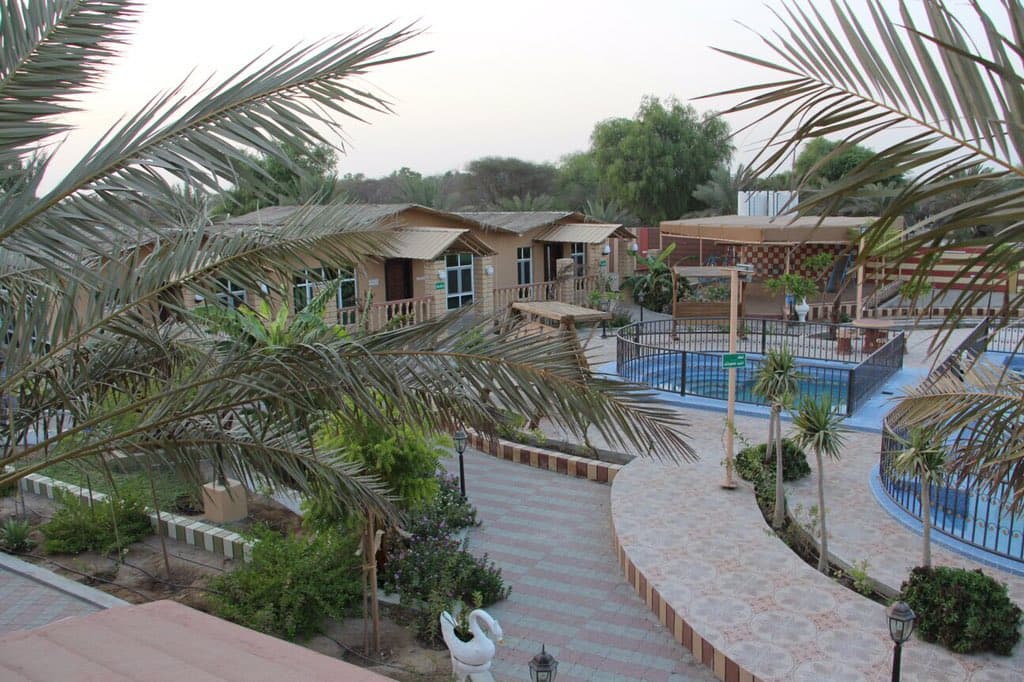
Farm stay in Oman
Popular Farm Stay Locations in Oman
1. Jebel Akhdar Farms: The Green Jewel of the Hajar Mountains
Jebel Akhdar, or “The Green Mountain,” is a stunning oasis perched high above the Omani desert. Its terraced slopes are a marvel of ancient engineering, adorned with orchards of pomegranates, apricots, apples, grapes, and roses. The cooler climate, breathtaking scenery, and rich agricultural tradition make it an ideal setting for farm stays.
Experience Highlights:
Terraced Orchards: Walk among centuries-old fruit terraces, especially magical during flowering and harvest seasons. The air, often scented with rose blossoms in spring, is fresh and invigorating.
Guest Accommodations: Many local farmers offer rooms or self-contained cottages—often built from local stone, blending into the landscape, and featuring traditional Omani design motifs.
Cultural Activities: Guests are often invited to participate in daily farm activities. This might include harvesting fruit, tending to rose gardens, or learning how the ingenious falaj irrigation system channels water across the terraced hillsides.
Spectacular Views: Whether you’re sipping morning coffee on a terrace or watching the sun set over the rugged peaks, the vistas are unforgettable.
Why Stay Here? Jebel Akhdar is perfect for travelers wanting to escape the heat, immerse in nature, and enjoy the simple pleasures of rural hospitality. Don’t miss rosewater distillation season (usually April), when the mountains come alive with scent and color.
2. Al Hamra and Misfat Al Abriyeen: Ancient Villages Alive with Tradition
Nestled on the slopes of the Hajar Mountains, Al Hamra and Misfat Al Abriyeen are some of Oman’s oldest and best-preserved villages. Their mud-brick houses, winding alleys, and shady date palm groves are enchanting, and the farms here have been cultivated for generations.
Experience Highlights:
Traditional Homestays: Stay in restored mud-brick homes or farmhouses, many of which are woven into the lush palm groves. The architecture keeps rooms cool during hot days and cozy at night.
Participate in Farm Life: Help with date harvesting, tend to vegetable gardens, or learn about date syrup production—a staple of Omani cuisine.
Village Strolls and Falaj Systems: Explore the ancient falaj irrigation channels, marvel at the ingenious water management, and relax in the shade of towering palms.
Cultural Immersion: Meals are often cooked over wood fires or in traditional clay ovens, and you might be invited to join in baking Omani bread or preparing a local dish.
Why Stay Here? These villages offer the chance to truly unplug and be part of a community that lives much as it has for centuries. The slower pace is deeply restorative, and the hospitality is genuine and warm.
3. Wadi Bani Khalid: Oasis Farms and Tranquil Retreats
Wadi Bani Khalid is famous for its clear turquoise pools and lush date palms—one of Oman’s most beloved natural attractions. Staying at a nearby farm or rural guesthouse lets you experience the area’s serenity long after the day-trippers have left.
Experience Highlights:
Farm Guesthouses: Small, family-run farms and guesthouses are nestled among palm groves, where the only sounds are birdsong, the rustle of leaves, and the gentle flow of water.
Rural Peace: After a day exploring the wadi’s pools and caves, return to a hearty farm meal and restful sleep under a canopy of stars.
Nature on Your Doorstep: Many stays offer direct access to walking trails, mountain viewpoints, or secluded swimming spots.
Why Stay Here? Wadi Bani Khalid’s farms are ideal if you crave peace and natural beauty, with the added bonus of farm-fresh food and heartfelt hospitality.
4. Dhofar Region (Salalah Area): Tropical Farms Amid Frankincense and Monsoon Rains
In southern Oman, the Dhofar region transforms during the Khareef (monsoon) season: hills turn emerald green, waterfalls gush, and the air is cool and misty. Salalah and its surroundings offer an entirely different rural experience, with farms dedicated to tropical fruits, coconuts, bananas, and the legendary frankincense.
Experience Highlights:
Farms and Eco-Lodges: Stay in eco-conscious lodges or traditional farm cottages among lush banana and coconut groves.
Frankincense Heritage: Join a guided walk through frankincense tree plantations and learn about the ancient resin trade that once made this region the “Arabia Felix” of antiquity.
Monsoon Magic: From June to September, the land is vibrantly green—the perfect escape from the summer heat found elsewhere in Oman.
Local Flavors: Try tropical fruits right from the tree, sample homemade coconut sweets, or sip fresh banana juice in the garden.
Why Stay Here? If you’re seeking a unique blend of tropical landscapes, cultural depth, and sustainable practices, Salalah’s farm stays are a must—especially during Khareef, when the region’s natural wonders are at their peak.
5. Nizwa and Bahla Countryside: Fertile Plains and Living Heritage
The rolling countryside around Nizwa and Bahla is dotted with small, often family-run farms. These farm stays are less commercial but offer some of the most authentic and immersive experiences in Oman.
Experience Highlights:
Cultural Immersion: Many hosts are keen to share Omani customs, from coffee ceremonies to traditional music or storytelling.
Farm-to-Table: Enjoy eggs collected at dawn, fresh-baked bread, and vegetables picked just hours before your meal. You may even be invited to help with cooking or baking.
Proximity to Historic Sites: Use your farm stay as a base to visit Nizwa’s mighty fort, Bahla’s UNESCO-listed stronghold, or bustling weekly markets.
Seasonal Activities: Depending on the time of year, you might help with olive or date harvesting, animal care, or garden planting.
Why Stay Here? These stays are perfect for travelers wanting to balance rural relaxation with explorations of Oman’s historical heartland.
Typical Farm Stay Facilities in Oman
While each farm stay is unique—shaped by its location, family traditions, and the landscape itself—there are common threads that run through these rural escapes:
Comfortable Guest Rooms or Cottages
Most farm stays offer cozy guest rooms, private cottages, or suites. Many are built using local materials, with stone walls, wooden doors, and intricate Omani carvings. Expect:
Comfortable bedding
En-suite or shared bathrooms (often with hot water)
Air conditioning or ceiling fans (especially in mountain or tropical regions)
Some offer private balconies or terraces
Farm-to-Table Meals
Meals are a farm stay highlight. You’ll savor:
Fresh fruit, vegetables, herbs, and eggs straight from the farm
Traditional Omani breakfasts (warm bread, honey, cheese, dates, coffee)
Hearty local dinners, such as shuwa (slow-cooked lamb), harees (wheat and meat porridge), or grilled fish
Some hosts invite guests to cook together, offering hands-on lessons in Omani cuisine
Guided Tours and Learning Experiences
Most farm stays provide:
Guided walks through orchards, gardens, or plantations
Demonstrations of traditional irrigation (falaj) systems
Seasonal harvesting, pruning, or planting activities
Explanation of sustainable farming practices and local ecology
Hands-On Farming and Animal Care
Depending on the season and the farm’s focus, guests can:
Pick fruit (dates, pomegranates, grapes, apples, etc.)
Feed goats, chickens, or cows
Milk animals or make cheese and yogurt
Learn about composting or organic gardening
Scenic Outdoor Spaces
Every farm stay features outdoor areas designed for relaxation and immersion in nature:
Shaded patios, courtyards, or hammocks
Fire pits or barbecue areas for evening gatherings
Panoramic mountain, valley, or orchard views
Lawns or gardens for children to play and adults to unwind
Modern Amenities and Rustic Options
Farm stays in Oman vary in their approach:
Some provide Wi-Fi, air conditioning, and satellite TV for guests who want modern comfort
Others emphasize a “digital detox,” encouraging you to disconnect and experience the rhythms of the countryside
All typically offer parking and may arrange transfers or guided excursions to nearby towns and attractions
Trip Advice: How to Plan the Perfect Omani Farm Stay
1. Book Early, Especially in Peak Season
Oman’s cool season (October to April) is the most popular time for rural escapes. Farms have limited guest capacity, so book well in advance if you want your choice of location, especially during public holidays or festivals.
2. Pack for Practicality and Comfort
Clothing: Bring clothes suitable for outdoor work and hiking; long sleeves and trousers offer sun protection and modesty. In mountain regions, pack a sweater or jacket—nights can be surprisingly cool.
Footwear: Sturdy sandals or hiking boots are ideal for farm work, walks, and excursions.
Other Essentials: Sunscreen, a hat, reusable water bottle, and a flashlight for evening walks.
3. Respect Local Customs and Farm Rules
Ask before touching or picking crops or approaching animals—some areas may be off-limits or require special care
Dress modestly, especially in family or village areas
Observe meal times and routines set by your hosts; rural life often follows the sun!
4. Embrace the Unplugged Experience
While some farms have Wi-Fi and modern amenities, consider using your stay as an opportunity to disconnect from digital distractions. Use the time to journal, read, or simply enjoy the sounds of nature.
5. Engage with Your Hosts
Omanis are famously hospitable and love to share their culture. Ask questions, show interest in their daily routines, and accept invitations to join in—whether it’s making bread, milking goats, or learning traditional songs.
6. Use Farm Stays as a Base for Exploration
Many farms are close to wadis, hiking trails, ancient forts, or markets. Plan day trips, or ask your hosts for insider tips on hidden gems or local festivals.
7. Support Sustainable Rural Tourism
Buy farm products (honey, jam, dates, crafts) directly from your hosts to support their livelihood
Leave no trace—take all rubbish with you, avoid disturbing plants or animals, and conserve water where possible
Consider returning in different seasons to witness the changing landscape and agricultural cycles
8. Double-Check Logistics and Policies
Confirm directions and transport arrangements, especially if your farm stay is in a remote area
Review cancellation and refund policies; weather or road conditions can occasionally affect access
Let someone know your travel plans, particularly if phone signal is limited
Why Choose a Farm Stay in Oman?
A farm stay in Oman isn’t just about accommodation—it’s an experience that nourishes the soul. Here’s what sets it apart:
Authenticity: You’ll see and participate in real Omani life, not just as a tourist but as a welcomed guest.
Connection: Farm stays let you bond with families, learn from their traditions, and make memories far richer than any hotel stay.
Nature Immersion: Wake to birdsong, walk among orchards at dawn, and stargaze in skies free from city lights.
Wellbeing: The slower pace, fresh air, and wholesome food are deeply restorative, offering a true escape from the rhythm of modern life.
Cultural Insight: Every meal, conversation, and activity brings you closer to understanding Oman’s deep-rooted values of hospitality, sustainability, and respect for the land.
Conclusion
Oman’s farm stays are gateways to the country’s living heritage—places where rural traditions, natural beauty, and warm hospitality come together to create unforgettable experiences. Whether you’re harvesting roses in Jebel Akhdar, baking bread in Al Hamra, or sipping coconut juice beneath Salalah’s monsoon clouds, you’ll leave with a deeper appreciation for Oman, its people, and its land.
So pack your sense of adventure, curiosity, and respect. The farms of Oman invite you to rest, learn, and belong—even if just for a few days. Discover a different side of Oman—one shaped by soil, sun, and the smiles of those who call it home. Your rural adventure awaits.
Written by Farees
Travel writer and founder of Oman Explorer. Based in Muscat, Oman, with years of experience exploring the Sultanate's hidden gems, ancient forts, stunning wadis, and desert landscapes. Passionate about sharing authentic travel experiences and helping visitors discover the beauty of Oman.
Learn more about the authorMore Articles to Explore



Comments (0)
Sign in to comment
Create a free account or sign in to join the conversation.
No comments yet. Be the first to comment!