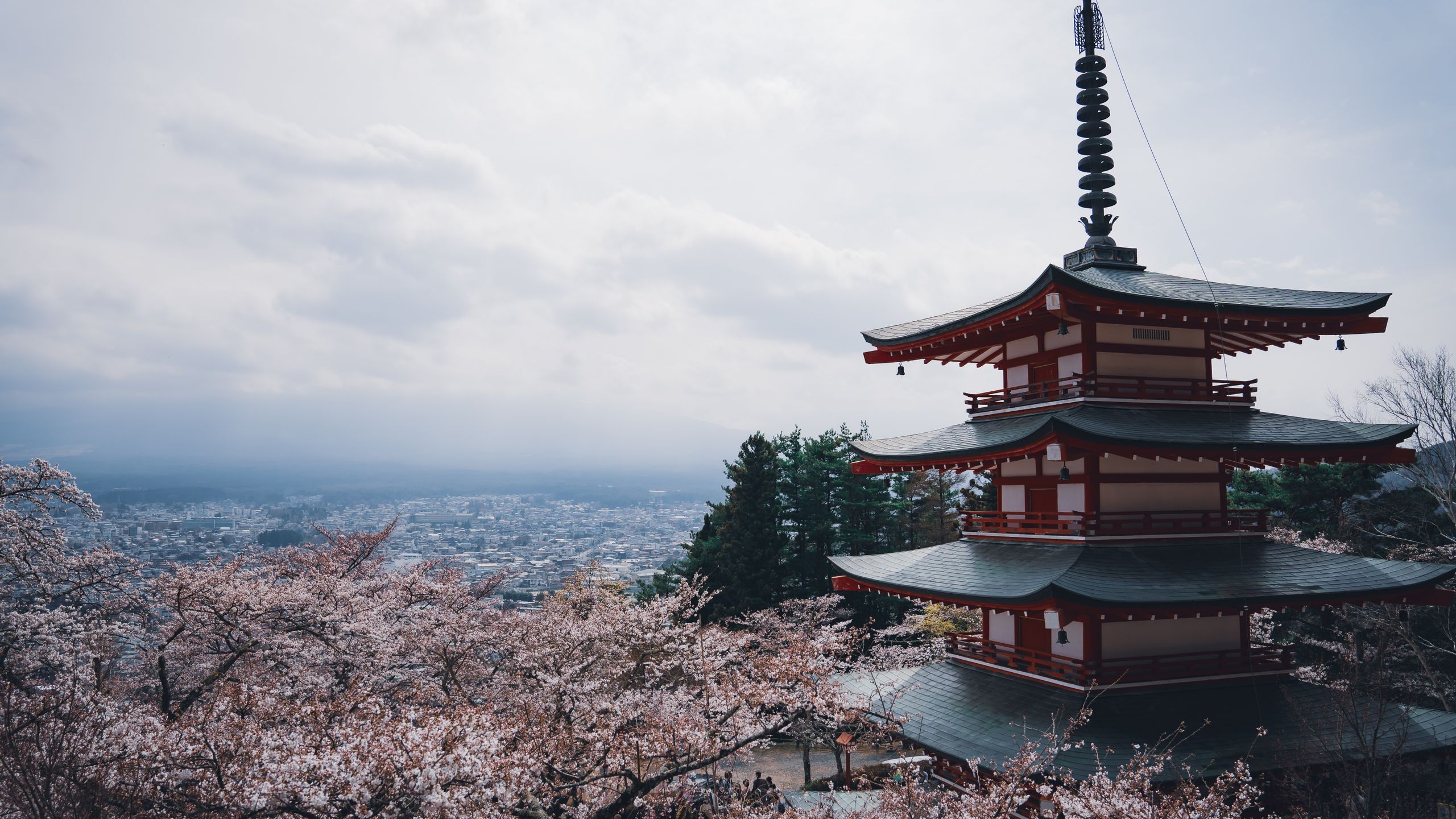
Japan Travel for Omanis: Tokyo, Kyoto, Halal Food Guide
Did you know that despite its hyper-modern image, Japan has more companies that are over 1,000 years old than any other country in the world? This incredible blend of ancient tradition and futuristic innovation is precisely what makes Japan such an utterly captivating destination. As an Omani who has had the privilege of exploring its vibrant cities and serene landscapes, I can tell you there's truly no place quite like it on Earth. And for us, it's becoming more accessible and welcoming than ever.
I remember my first time stepping out of Narita Airport, the crisp autumn air hitting my face, and the sheer sense of anticipation bubbling within me. Japan had always seemed like a distant dream, a place of anime and samurai, but also of meticulous order and profound beauty. What I found was a country that not only lived up to every expectation but surpassed them in ways I hadn't imagined, particularly in its growing awareness and accommodation for Muslim travellers.
This guide is for you, my fellow Omanis, who might be considering a trip to the Land of the Rising Sun. I'll share everything I learned, from navigating the bustling streets of Tokyo to finding tranquil halal meals in Kyoto, and all the practical tips you'll need to make your journey smooth and unforgettable. Think of this as your personal roadmap, crafted with our unique needs and preferences in mind.
Getting There and Visa Essentials
The journey from Muscat to Japan is a long one, typically involving one stopover, but believe me, it's worth every hour. Airlines like Emirates, Qatar Airways, and Turkish Airlines offer convenient connections to major Japanese airports such as Tokyo Narita (NRT) or Haneda (HND), and Osaka Kansai (KIX). Return flight prices from Muscat usually range from OMR 250-450 during off-peak seasons (like late autumn or early spring, avoiding cherry blossom peak) to OMR 500-800+ during peak travel times.
For Omani citizens, applying for a Japanese tourist visa is straightforward. You'll need to submit your application to the Embassy of Japan in Muscat. The requirements typically include your passport (valid for at least six months), a completed application form, recent passport-sized photos, flight and hotel bookings, and a detailed itinerary. I always recommend applying at least a month in advance to avoid any last-minute stress, though processing times are usually quick, often just 5-7 working days. The visa fee is quite modest, usually around OMR 10-15, but always check the latest fees on the embassy website.
Tokyo: The Electric Heartbeat of Japan
Tokyo, a city of 14 million people, is an assault on the senses in the best possible way. It’s where neon lights meet ancient shrines, and quiet gardens sit just moments from towering skyscrapers. It was my first stop, and it left an indelible mark.
Shibuya Crossing: The Organized Chaos
My first evening in Tokyo, I headed straight to Shibuya Crossing. There's nothing quite like witnessing hundreds of people crossing the street from all directions simultaneously, yet somehow managing to avoid collisions with a grace that only the Japanese possess. It’s a symphony of movement, an iconic image brought to life. Standing there, feeling the pulse of the city, the aroma of street food wafting from nearby stalls, and the cacophony of advertisements all around, I knew I was truly in Japan. My tip? Head to the second-floor Starbucks for a fantastic bird's-eye view, or simply immerse yourself in the crowd. It’s free, and an absolute must-do.
Akihabara: Anime, Electronics, and Gaming
For those who grew up with anime or have an interest in cutting-edge technology, Akihabara is a wonderland. The streets here practically hum with energy. Multi-story electronics stores like Yodobashi Akiba are packed with gadgets I didn't even know existed, while countless anime and manga shops like Mandarake and Animate offer treasures for every fan. I spent hours just browsing, marveling at the sheer volume of collectibles. Arcades, known as 'game centers,' are everywhere, filled with flashing lights and the distinctive sounds of Japanese arcade games. It’s loud, it’s vibrant, and it’s undeniably fun.
Asakusa and Senso-ji Temple: A Glimpse of Old Tokyo
To truly appreciate Tokyo's depth, you must visit Asakusa, home to Senso-ji, Tokyo's oldest temple. Walking through the imposing Kaminarimon (Thunder Gate) and down Nakamise-dori, a bustling market street selling traditional snacks and souvenirs, felt like stepping back in time. The air was thick with the scent of incense and traditional sweets. Senso-ji itself is magnificent, a vibrant red and gold structure that stands in stark contrast to the modern city surrounding it. Entry to the temple grounds is free, and it's open 24/7, though the main hall closes around 5 PM. I found it particularly serene in the early morning before the crowds arrived.
Halal Food in Tokyo
Finding halal food in Tokyo is surprisingly easy these days, especially with apps like Halal Navi or Japan Halal TV. My go-to areas for halal options were Ueno, Shinjuku, and Shibuya. You’ll find a great variety, from delicious halal ramen to Indian and Turkish restaurants. One place I particularly enjoyed was Shinjuku Gyoen Ramen Ouka (near Shinjuku Gyoen National Garden), which serves fantastic halal ramen and even offers a prayer space. A typical halal meal at a mid-range restaurant costs around OMR 5-10, though a special halal wagyu experience could easily go up to OMR 20-50 per person. Don't forget to look for halal-certified convenience store snacks too!
Tokyo Accommodation and Getting Around
Tokyo offers accommodation for every budget. Capsule hotels are a unique Japanese experience and can be as low as OMR 15-25 per night. Mid-range hotels in areas like Shinjuku, Shibuya, or Ueno typically cost OMR 40-70 per night. For a touch of luxury, expect to pay OMR 80-150+ per night. I highly recommend staying near a major JR (Japan Rail) line station for ease of travel.
Getting around Tokyo is incredibly efficient thanks to its extensive train and subway network. Purchase a Pasmo or Suica card (rechargeable IC cards, similar to Muscat's Mwasalat cards but for trains) at any major station for about OMR 5 deposit (refundable). Fares are typically OMR 0.50-2 per ride, depending on distance. A 24-hour Tokyo Metro Pass can be a good value at around OMR 4-5 if you plan on visiting many sights in one day.
Kyoto: The Soul of Tradition
After the exhilarating rush of Tokyo, Kyoto was a soothing balm. It's the ancient capital, brimming with thousands of temples, traditional wooden houses, and serene gardens. The contrast between the two cities is profound and beautiful.
Fushimi Inari Taisha: A Path Through Thousands of Gates
The iconic Fushimi Inari Taisha shrine, famous for its thousands of vermilion torii gates winding up a sacred mountain, was one of my favorite experiences. The walk through these gates, each donated by an individual or business, felt almost spiritual. As you ascend, the crowds thin, and the air becomes cooler and quieter, filled with the rustling of leaves and distant chirping of birds. It’s a fantastic hike, taking about 2-3 hours to reach the summit and back, with stunning views of Kyoto along the way. Entry is free and it's open 24/7. My advice: go early in the morning (before 8 AM) to capture photos without too many people.
Arashiyama Bamboo Grove: Serene Green Majesty
Walking through the towering bamboo stalks of Arashiyama Bamboo Grove felt like entering another world. The light filters through the dense canopy, creating an ethereal glow, and the gentle creaking of the bamboo in the breeze is a sound I'll never forget. It’s a truly magical place, especially if you can find a quieter moment. While the main path can get very crowded, venturing slightly off the beaten track reveals smaller, less-trafficked groves that offer more tranquility. Combine this with a visit to the nearby Tenryu-ji Temple (entry OMR 2.5) for a complete experience. Arashiyama is a bit further out from central Kyoto, about 30-40 minutes by train (OMR 1-1.5).
Gion District: Geisha Spotting and Tea Houses
Kyoto's Gion district is the place to experience traditional Japan. Strolling along the preserved wooden machiya houses in the evening, you might even catch a glimpse of a geiko (Kyoto dialect for geisha) or maiko (apprentice geisha) gracefully making her way to an engagement. The atmospheric streets, illuminated by paper lanterns, evoke a sense of timeless elegance. While expensive, experiencing a traditional tea ceremony (around OMR 15-30) or a kaiseki (multi-course) dinner in Gion is a truly unique cultural immersion. Remember to be respectful and not chase or photograph geisha without permission.
Halal Food in Kyoto
Kyoto, being a more traditional city, has fewer overt halal options than Tokyo, but it's still manageable. Many Indian and Pakistani restaurants are halal-friendly, and some Japanese restaurants are starting to offer halal menus. I found some great spots near Kyoto Station and in the Gion area. Naritaya Halal Ramen near Gion was a lifesaver, serving delicious bowls of ramen that warmed me from the inside out. Again, check apps for the latest listings. Prices are comparable to Tokyo.
Kyoto Accommodation and Getting Around
Kyoto offers a range of accommodations, including charming traditional ryokans (Japanese inns) which offer a unique experience, often with tatami mats and futon beds. A night in a ryokan can range from OMR 50-150+, sometimes including a traditional breakfast. Regular hotels are similar in price to Tokyo. I stayed near Kyoto Station, which is a major transport hub.
Kyoto's public transport relies more heavily on buses than trains for getting to most tourist sights. A one-day bus pass (OMR 1.5) is excellent value if you plan on visiting multiple locations. Many central areas like Gion and Pontocho are best explored on foot, allowing you to soak in the atmosphere.
Halal Food in Japan: General Tips
Japan has made significant strides in catering to Muslim travellers. Here are some overarching tips:
- Look for Halal Marks: Many restaurants and even some supermarkets display clear halal certification marks.
- Use Apps and Websites: Halal Navi, Japan Halal TV, and Halal Gourmet Japan are invaluable resources. They list restaurants, prayer spaces, and even halal-friendly products in convenience stores.
- Ask (Politely): If unsure, politely ask 'Halal desu ka?' (Is it halal?). While many places are becoming aware, some might not fully understand, especially outside major cities.
- Vegetarian Options: When halal options are scarce, vegetarian dishes can be a good alternative, but always confirm no alcohol (mirin) or non-halal meat derivatives are used.
- Convenience Stores: FamilyMart, 7-Eleven, and Lawson often stock certain halal snacks, bread, and drinks. Look for specific labels.
- Prayer Spaces: Major airports, many large department stores, and some tourist attractions now have designated prayer rooms. Mosques are available in larger cities. Always carry a portable prayer mat and a compass (or use an app) for ease of prayer on the go.
Planning Your Japanese Adventure: Essential Tips for Omanis
A successful trip to Japan requires a bit of thoughtful planning. Here are my top tips:
Best Time to Visit
- Spring (March-May): Famous for cherry blossoms (sakura). It's incredibly beautiful but also the most crowded and expensive time. Average temperatures OMR 15-25 C.
- Autumn (September-November): My personal favourite. The autumn leaves (koyo) are breathtaking, the weather is pleasant (OMR 10-20 C), and it's less crowded than spring.
- Summer (June-August): Hot and humid (OMR 25-35 C), with typhoon season possible. However, it's great for festivals and fireworks.
- Winter (December-February): Cold (OMR 0-10 C) but fewer tourists, making it ideal for budget travellers or those interested in skiing/snowboarding.
Budgeting in OMR
Japan can be expensive, but smart budgeting helps. Here's a rough breakdown:
- Flights: OMR 250-800+ (as mentioned above).
- Accommodation: OMR 15-150+ per night.
- Food: OMR 10-20 per day for modest meals, OMR 30-50+ for more variety or special experiences.
- Local Transport: OMR 3-5 per day.
- Attractions: OMR 2-10 per entry.
- Daily Total (excluding flights/major passes): OMR 30-70 per person.
Language Barrier
While many Japanese in tourist areas speak some English, it's always helpful to learn a few basic phrases: 'Arigatou gozaimasu' (Thank you), 'Sumimasen' (Excuse me/Sorry), 'Ohayo gozaimasu' (Good morning). Google Translate with its camera function for menus is a lifesaver! I also found carrying a small notebook with key phrases written down helpful, especially when asking about halal food.
Connectivity
Staying connected is crucial. I opted for a pocket Wi-Fi device (around OMR 2-3 per day) which I picked up at the airport. It provided reliable internet for my phone and allowed me to use maps and translation apps constantly. Alternatively, you can buy a local SIM card (OMR 10-20 for data-only plans) or rely on the abundant free Wi-Fi spots in cafes, stations, and hotels.
Japanese Etiquette
Japanese culture is built on respect and consideration. A few things to keep in mind:
- Bowing: A slight bow is a common greeting and sign of respect.
- Shoes: Always remove your shoes when entering homes, temples, traditional restaurants, and some hotels (look for shoe lockers).
- Public Transport: Be quiet on trains and subways. Avoid talking loudly on your phone. Queue patiently.
- Tipping: Tipping is not customary and can even be considered rude. Excellent service is expected.
- Chopsticks: Never stick your chopsticks upright in a bowl of rice, pass food directly from chopstick to chopstick, or point with them.
The Japan Rail Pass
If you plan on travelling extensively between cities (e.g., Tokyo to Kyoto and beyond), the Japan Rail Pass can offer significant savings. It allows unlimited travel on most JR trains, including the Shinkansen (bullet train). A 7-day pass costs around OMR 100-120. Do the math beforehand – if you're only doing a return trip between Tokyo and Kyoto, individual tickets might be cheaper. You must purchase this *before* arriving in Japan.
Packing List for Omanis
- Comfortable Walking Shoes: You'll be doing a lot of walking!
- Modest Clothing: While Japan is very open, out of respect for cultural norms and for ease of prayer, modest wear is always a good idea.
- Portable Prayer Mat and Compass: Essential for prayer on the go.
- Travel Adapter: Japan uses Type A and B sockets (two flat pins), and the voltage is 100V.
- Small Gifts (Omiyage): It's customary to exchange small gifts (like dates or Omani sweets) when meeting new people or as a thank you.
My journey through Japan was an education, an adventure, and a deeply enriching experience. From the quiet contemplation of a Zen garden in Kyoto to the dazzling lights of Tokyo, every moment was infused with a unique blend of tradition and modernity, all delivered with impeccable hospitality. It's a country that respects its past while boldly embracing its future, and for us Omanis, it offers a truly welcoming and fascinating destination.
So, start dreaming, start planning, and prepare to be enchanted. Japan awaits your arrival with open arms and a world of discovery. I promise you, it will be a trip you'll cherish forever.
Written by Farees
Travel writer and founder of Oman Explorer. Based in Muscat, Oman, with years of experience exploring the Sultanate's hidden gems, ancient forts, stunning wadis, and desert landscapes. Passionate about sharing authentic travel experiences and helping visitors discover the beauty of Oman.
Learn more about the authorMore Articles to Explore


Comments (0)
Sign in to comment
Create a free account or sign in to join the conversation.
No comments yet. Be the first to comment!