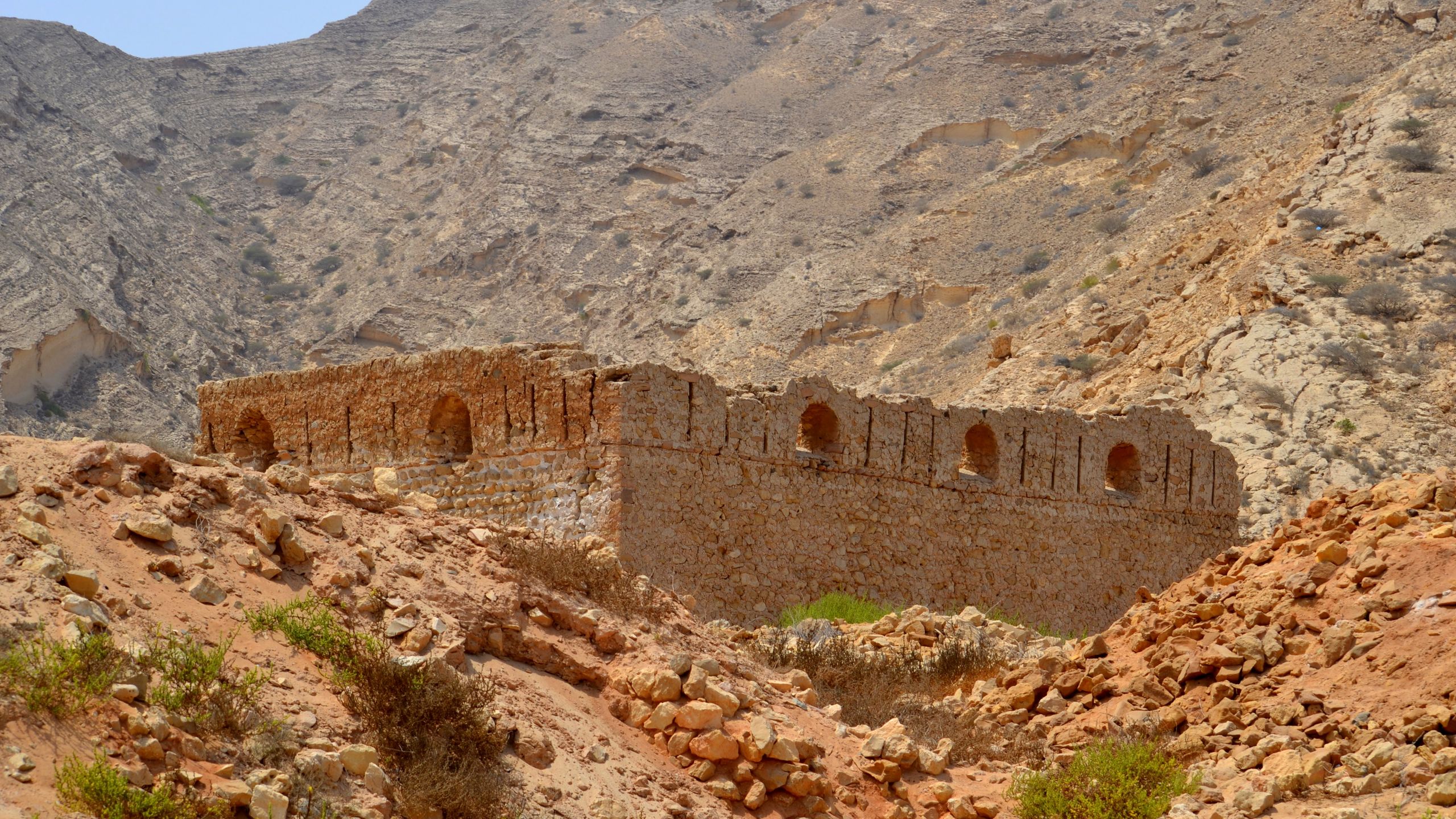
Oman's Enduring Story: Frankincense to Modernity
What if a land, sculpted by mountains and kissed by the sea, held the echoes of empires, whispered tales of ancient trade, and stood as a beacon of peace in a turbulent world? This isn't a fantasy; it's the living, breathing reality of Oman, a nation whose rich history feels palpable in every wadi, every fort, and every warm smile you encounter.
As someone who has walked these ancient paths, felt the desert winds carry the scent of frankincense, and witnessed the seamless blend of tradition and modernity, I can tell you that understanding Oman's past isn't just about dates and names. It's about unlocking the very soul of this incredible country, preparing you for a journey far deeper than mere sightseeing. So, let's embark on a captivating voyage through time, from the legendary frankincense routes that shaped the ancient world to the vibrant, forward-looking nation Oman is today.
The Ancient Roots: Land of Frankincense and Seafarers
Our story begins in the mists of time, thousands of years ago, long before maps were drawn or written histories recorded. Oman, then known by names like Magan and the Land of Punt, was a crucial nexus in a global trade network. Picture a world where the most valuable commodity wasn't gold or jewels, but a fragrant resin: frankincense.
The Frankincense Trail: A Scent of History
Imagine the air in ancient Dhofar, heavy with the sweet, balsamic scent of frankincense. This precious resin, harvested from the hardy Boswellia trees, was more valuable than gold, used in religious ceremonies, perfumes, and medicine across ancient Egypt, Mesopotamia, Rome, and beyond. Oman's southern region was the heartland of this trade, and its legacy is still very much alive.
When I visit Salalah, especially during the Khareef season (July to August), the air feels different, almost charged with history. The landscape transforms into a lush, green paradise, a stark contrast to the rest of the year, making it a truly unique experience. While the Khareef itself is a natural spectacle, the historical sites are accessible year-round, offering a glimpse into this ancient trade.
One of my favorite places to connect with this past is Al Baleed Archaeological Park, a UNESCO World Heritage site just outside Salalah. Walking among the ruins of the ancient port city of Zafar, I can almost hear the bustling sounds of merchants, the creak of wooden dhows, and the chatter of different languages. The park entrance fee is typically OMR 3 for adults. It's usually open from Saturday to Thursday, 8 AM to 8 PM, and Fridays from 4 PM to 8 PM. Inside, you'll find the Museum of the Land of Frankincense, which brilliantly curates the region's maritime history and the frankincense trade. It's a must-see, offering context to the ruins around you.
Further inland, about 40 km north of Salalah, you can visit Wadi Dawkah, another UNESCO site, home to thousands of frankincense trees. There's no entry fee, and it's a profound experience to stand amidst these gnarled, ancient trees, knowing they have been yielding their precious resin for millennia. A local tip: if you're driving, look out for small roadside stalls selling frankincense directly from the source – it's often of exceptional quality and makes a wonderful, authentic souvenir.
Maritime Mastery: Oman's Early Seafaring Prowess
But Oman wasn't just a source; it was a conduit. The ancient Omanis were formidable seafarers, their expertise in navigation and shipbuilding legendary. They built sophisticated dhows, sailed the treacherous waters of the Arabian Sea and Indian Ocean, establishing trade routes that connected East Africa, India, and even China. This maritime prowess laid the foundation for an empire that would span continents millennia later.
The stories of legendary sailors like Sindbad, though fictional, echo the very real adventurous spirit of Omani mariners. Standing on the shores of Sur, a town still renowned for its dhow building, I feel a deep connection to this seafaring heritage. You can visit the Sur Maritime Museum (entry around OMR 1, hours vary but generally open mornings and late afternoons) to see models and tools, or even tour one of the traditional dhow factories to witness the craft firsthand. The rhythmic hammering of wood, the smell of sawdust and tar – it's a living tradition.
The Dawn of Islam and the Imamate Era
The 7th century CE brought a profound transformation to Oman with the arrival of Islam. Unlike many regions where conversion was met with conflict, Oman embraced Islam peacefully, a testament to its open-minded and diplomatic nature.
Embracing Islam Peacefully
It's said that in 630 CE, during the lifetime of Prophet Muhammad (PBUH), a letter was sent to the rulers of Oman, Jaifar and Abd al-Jalandi, inviting them to Islam. They accepted, and Oman became one of the first regions to adopt the new faith, doing so without bloodshed. This peaceful transition deeply ingrained a spirit of tolerance and moderation that remains a defining characteristic of Omani society.
The Rise of the Imams and Interior Strongholds
Following this, Oman developed its unique form of governance, the Imamate, where the leader, the Imam, was chosen by consensus based on religious scholarship and moral integrity. This system often saw periods of stability and prosperity, particularly in the interior regions, where mighty forts and castles were built to protect trade routes and communities.
The region around Nizwa, about 150 km southwest of Muscat (a pleasant 1.5-hour drive), became a focal point of this era. Nizwa Fort is arguably the most iconic example. Its massive, circular cannon tower dominates the skyline, and walking its labyrinthine passages, I'm always struck by the ingenuity of its defenses – the date syrup traps for invaders, the hidden murder holes, and the strategic viewpoints. Entry is OMR 5 for adults, and it's open from Saturday to Thursday, 8 AM to 6 PM, and Fridays from 8 AM to 11:30 AM and 1:30 PM to 6 PM.
A local tip for Nizwa: if your visit coincides with a Friday morning, don't miss the bustling Nizwa Cattle Market right outside the fort. It's a vibrant, sensory overload of sights, sounds, and smells, offering a truly authentic glimpse into Omani rural life that has continued for centuries. You'll see locals in traditional dress haggling over goats, cattle, and sometimes even camels. It's free to watch and a photographer's dream.
Just a short drive from Nizwa, you'll find other magnificent examples of Omani defensive architecture. Jabreen Castle, about 25 km from Nizwa, stands out for its exquisite painted ceilings and intricate woodwork, hinting at a period of artistic refinement. It costs OMR 3 to enter and shares similar opening hours to Nizwa Fort. Nearby, Bahla Fort, a UNESCO World Heritage site, is a colossal structure surrounded by a 12 km wall. Its sheer scale is breathtaking, a testament to the power of the Imamate. Entry is also OMR 3. These forts aren't just ruins; they are living museums where you can almost hear the footsteps of imams and soldiers echoing through the centuries.
A Maritime Empire: From Portuguese Influence to Zanzibar Sultanate
The 16th century brought a new challenge to Oman: the arrival of European powers, particularly the Portuguese, who sought to control the lucrative Indian Ocean trade routes. This era marked a shift from the interior-focused Imamate to a powerful maritime state.
Portuguese Encounters and Coastal Fortifications
The Portuguese established strongholds along the Omani coast, most notably in Muscat, which became a strategic port in their vast trading empire. You can still see their legacy in the imposing forts of Al Mirani and Al Jalali, which guard the entrance to Muscat's old harbor. While these forts are not open to the public (they are still used by the military), a walk along the Mutrah Corniche (free, best visited in the cooler months of October to April) offers spectacular views of them, framed by the dramatic Hajar Mountains. You can also glimpse the less imposing but historically significant Mutrah Fort overlooking the bustling Mutrah Souq.
The Yaruba Dynasty: Expelling the Portuguese and Building an Empire
However, the Omani spirit of independence was strong. In the mid-17th century, under the leadership of the Yaruba Dynasty, Omanis launched a concerted effort to expel the Portuguese, a feat they achieved with remarkable success. This victory not only liberated their homeland but also allowed Oman to turn the tables, pursuing the Portuguese across the Indian Ocean and establishing its own formidable maritime empire.
This period saw Oman's influence stretch from Gwadar (in modern-day Pakistan) to Zanzibar (off the coast of Tanzania). The Yaruba imams were powerful builders, constructing magnificent forts like Jabreen and the grand Falaj Daris irrigation system, showcasing their wealth and strategic vision.
The Al Busaid Dynasty and the Splendour of Zanzibar
The Yaruba Dynasty eventually gave way to the Al Busaid Dynasty in the mid-18th century, which continues to rule Oman today. Under visionary leaders like Sultan Said bin Sultan (r. 1806-1856), Oman's empire reached its zenith. Sultan Said moved his capital to Zanzibar, recognizing its strategic importance for trade and control over East African territories. This era was characterized by immense wealth generated from the spice trade (especially cloves from Zanzibar) and, unfortunately, also the slave trade, which was eventually abolished. The cultural exchange during this period left an indelible mark on both Oman and East Africa, visible in architecture, language (Swahili has many Arabic loanwords), and cuisine.
Walking through the old souqs of Muscat, particularly the Mutrah Souq, you can still feel the echoes of this maritime empire. The scents of spices, the intricate designs of silver jewelry, the vibrant textiles – all tell a story of centuries of trade and cultural fusion. It's a place where you can lose yourself for hours, bargaining for souvenirs and soaking in the atmosphere. Remember to haggle politely; it's part of the experience!
Challenges and Renewal: The Road to Modernity
The late 19th and early 20th centuries presented new challenges for Oman. The empire gradually receded, internal strife between the coastal Sultanate and the interior Imamate intensified, and the country became increasingly isolated from the wider world. By the mid-20th century, Oman was one of the least developed nations, with limited infrastructure and opportunities.
Internal Strife and Shifting Power
The division between the more outward-looking coastal Sultanate, with its ties to British influence, and the conservative, independent Imamate in the interior, often led to periods of conflict. This internal struggle, coupled with changing global dynamics and economic pressures, meant that Oman remained largely untouched by the rapid advancements seen elsewhere in the world.
The Visionary Leadership of Sultan Qaboos bin Said
The turning point for modern Oman arrived on July 23, 1970, with the accession of His Majesty Sultan Qaboos bin Said al Said. This date, now celebrated as Renaissance Day, marked the beginning of an extraordinary transformation. Sultan Qaboos, who had received a modern education, returned to a country that lacked basic infrastructure – there were only a handful of schools, a few kilometers of paved roads, and limited healthcare. His vision was to modernize Oman while meticulously preserving its rich heritage and unique identity.
Under his leadership, Oman embarked on an unprecedented journey of development. Roads were built, schools and hospitals established, and a modern infrastructure emerged, all financed by the country's oil wealth, which was carefully managed for sustainable growth. What truly set Sultan Qaboos apart was his commitment to peace, diplomacy, and a balanced foreign policy, earning Oman a reputation as a regional mediator and a haven of stability.
Visiting modern Muscat, you can see the fruits of this renaissance everywhere. The grand boulevards, the beautiful architecture that blends traditional Omani design with contemporary aesthetics, and the impeccable cleanliness of the city are all testaments to his legacy. One of the most magnificent examples is the Sultan Qaboos Grand Mosque. It's a breathtaking structure of white marble, intricate carvings, and stunning calligraphy. Non-Muslims are welcome to visit from Saturday to Thursday, 8 AM to 11 AM, but remember to dress modestly – long sleeves, long trousers or skirts, and women must cover their heads. Entry is free, and it's an experience that truly showcases the blend of faith, art, and national pride.
Another symbol of modern Omani cultural revival is the Royal Opera House Muscat (ROHM). It was a personal project of Sultan Qaboos, reflecting his love for arts and culture. The building itself is a masterpiece of Omani architecture, and attending a performance here is an unforgettable experience. Guided tours are available (around OMR 5), and ticket prices for shows vary widely, starting from OMR 10 upwards, depending on the performance. It's a place where world-class artists perform against a stunning Omani backdrop.
Oman Today: A Harmonious Future Rooted in the Past
Today, Oman stands as a beacon of progress and tradition, a nation that has skillfully navigated the complexities of the modern world without losing sight of its ancient roots. The current ruler, His Majesty Sultan Haitham bin Tarik, continues this legacy, steering Oman towards an even brighter future while upholding the values that define the nation.
Preserving Heritage, Embracing Progress
What I find most remarkable about Oman is its unwavering commitment to preserving its heritage. Unlike some places that rush to tear down the old for the new, Oman integrates its past into its present. The forts and castles are meticulously maintained, traditional crafts are supported, and Omani architecture is celebrated in new constructions. This respect for history is not just for tourists; it's woven into the fabric of daily life.
For instance, when you explore the traditional villages nestled in the Hajar Mountains, like Misfat Al Abriyeen or Bilad Sayt, you'll see ancient mud-brick houses still inhabited, fed by intricate falaj irrigation systems that are thousands of years old. These systems, designated as a UNESCO World Heritage site, are a marvel of engineering and a testament to Omani ingenuity. There's no entry fee for these villages; you simply walk through them, respectfully observing local life. A local tip: always ask permission before photographing people, and dress modestly out of respect for local customs.
My Personal Reflections on Oman's Enduring Spirit
Every time I travel through Oman, I'm reminded of its unique spirit. It's a country that feels genuinely welcoming, where hospitality is not just a courtesy but a deep-seated cultural value. I've lost count of the times I've been invited for coffee (kahwa) and dates by strangers, eager to share their culture and stories. This generosity is, I believe, a direct inheritance from centuries of open trade and peaceful interaction with diverse cultures.
The history of Oman isn't just a series of events; it's a narrative of resilience, wisdom, and an unwavering connection to the land and sea. It’s a story told in the patterns of a khanjar (Omani dagger), the intricate weave of a traditional rug, and the quiet dignity of its people. It's in the breathtaking fjords of Musandam, the endless sands of the Wahiba desert, and the vibrant coral reefs of the Daymaniyat Islands.
To truly understand Oman, you must taste its history. Try Shuwa, a slow-cooked lamb dish traditionally prepared in an underground oven, often served on special occasions. You can find excellent traditional Omani food at places like Al Said Restaurant in Mutrah or Bait Al Luban, with prices for a main course typically ranging from OMR 5 to OMR 12. The rich flavors, often seasoned with Omani spices, tell their own story of trade and cultural exchange.
The best months to visit Oman, to comfortably explore its historical sites and natural beauty, are generally from October to April, when the weather is cooler and more pleasant. Distances between major sites can be significant – Muscat to Salalah is about 1000 km, for example – so planning your itinerary and considering domestic flights or comfortable long-distance drives is essential.
So, as you dream of your Omani adventure, remember that you're not just visiting a country; you're stepping into a living history book. From the ancient caravans laden with frankincense to the modern dhows sailing the azure waters, Oman's past is not merely preserved; it thrives, shaping every facet of its present. It's a story that continues to unfold, inviting you to become a part of its next chapter.
Come, explore this land where history breathes and echoes in every gentle breeze. Discover for yourself the enduring magic of Oman, a nation built on ancient wisdom and poised for a future as bright as its desert sun. I promise, it will be a journey you'll never forget.
Written by Farees
Travel writer and founder of Oman Explorer. Based in Muscat, Oman, with years of experience exploring the Sultanate's hidden gems, ancient forts, stunning wadis, and desert landscapes. Passionate about sharing authentic travel experiences and helping visitors discover the beauty of Oman.
Learn more about the authorMore Articles to Explore


Comments (0)
Sign in to comment
Create a free account or sign in to join the conversation.
No comments yet. Be the first to comment!