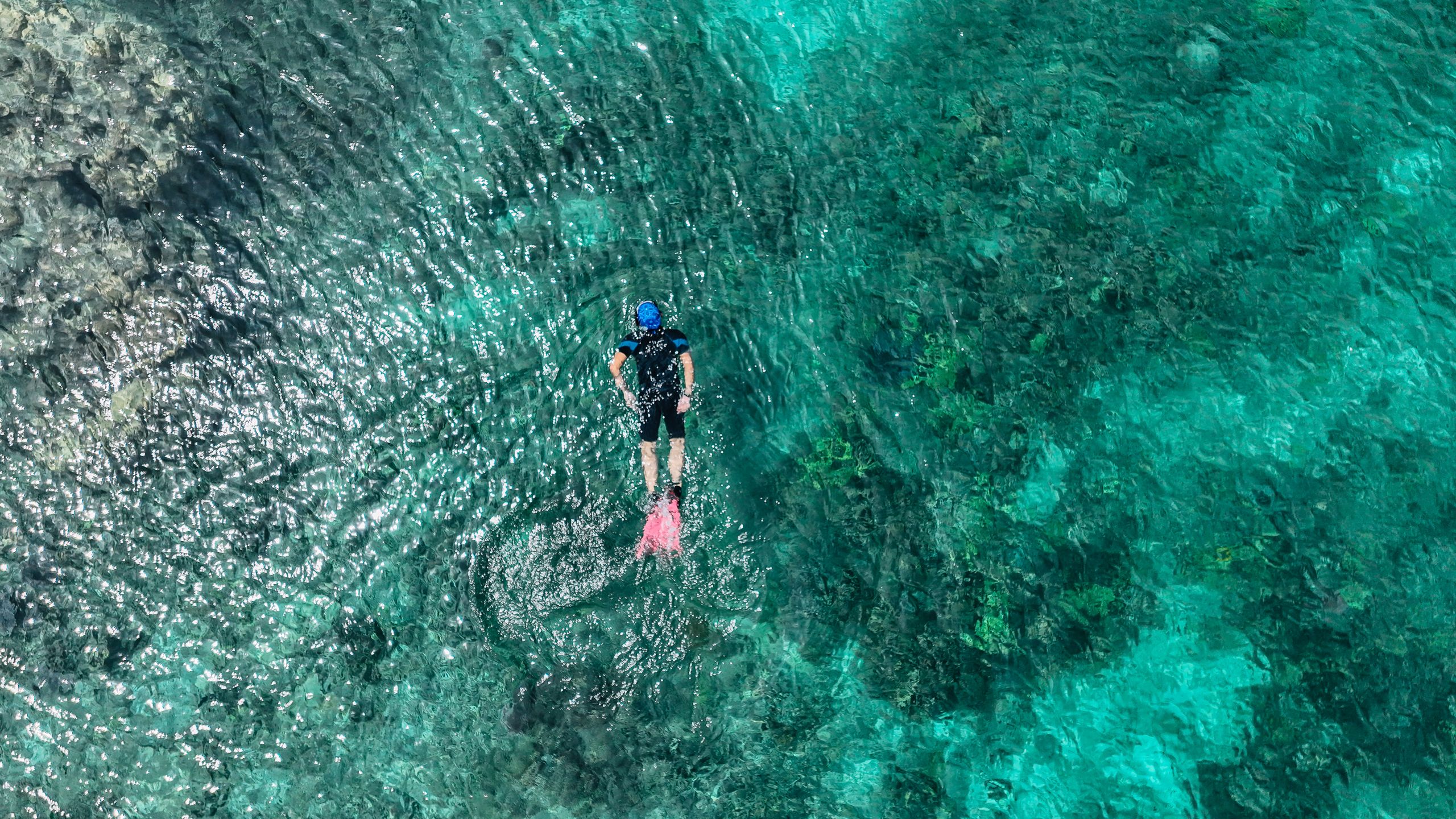
Discover Oman's Underwater Wonders: Snorkel from Muscat to Musandam
What if I told you that beneath Oman's rugged mountains and sun-kissed deserts lies an equally breathtaking, vibrant world, just waiting to be explored with a mask and fins? It’s true. As someone who’s spent countless hours floating above these incredible underwater landscapes, I can tell you that snorkelling in Oman offers an experience so rich, so diverse, it feels like stepping into a living kaleidoscope.
From the bustling shores of Muscat all the way up to the dramatic, fjord-like coastline of Musandam, Oman's marine realm is a treasure trove of colourful corals, playful fish, majestic turtles, and even the occasional reef shark. Forget those crowded, over-hyped spots you've heard about elsewhere; Oman provides pristine, often secluded, snorkelling adventures that feel truly special. Ready to dip your toes (and face!) into my absolute favourite spots?
Why Snorkel in Oman? The Call of the Arabian Sea
Oman isn't just a land of stunning wadis and ancient forts; it's a coastal nation with a deep connection to the sea. Our waters, warmed by the sun and nourished by nutrient-rich currents, foster an incredibly diverse ecosystem. What I love most about snorkelling here is the sheer accessibility and variety. Whether you're a seasoned freediver or a complete beginner, there’s a spot perfect for you, often just a short boat ride from shore.
I still remember my first time truly appreciating the underwater world here. It was off the Daymaniyat Islands, and a green sea turtle, effortlessly gliding through the water, swam right past me, completely unbothered. That moment solidified my love for Oman's marine life. It's not just about seeing fish; it's about connecting with nature in its purest, most tranquil form. The water here is often so clear, especially during our cooler months, that visibility stretches for metres, making every ripple and every coral detail pop.
Essential Gear for Your Omani Snorkel Adventure
Before you dive in, let's talk gear. While many tour operators provide equipment, having your own, or at least knowing what to look for, can make a huge difference to your comfort and enjoyment. Think of it as preparing for a friendly expedition!
- Mask and Snorkel: A good fitting mask is paramount. You want one that seals comfortably against your face without being too tight. For snorkels, a dry-top design is a game-changer – it keeps water out when you duck under. I always recommend trying them on before you buy or rent.
- Fins: These are your propulsion system! Full-foot fins are excellent for comfort and efficiency, especially for longer snorkels. If you plan to explore rocky shorelines, open-heel fins with adjustable straps and booties offer more protection.
- Rash Guard or Light Wetsuit: Oman’s sun is glorious but powerful. A long-sleeved rash guard is essential for sun protection, even on cloudy days. In the cooler months (November-March), or for longer sessions, a 1-2mm shorty wetsuit can provide extra warmth and buoyancy, making your experience much more comfortable.
- Reef-Safe Sunscreen: This is a non-negotiable! Help us protect our beautiful coral reefs. Choose sunscreens that are free from oxybenzone and octinoxate. Your skin and our marine environment will thank you.
- Underwater Camera: Trust me, you'll want to capture the magic. Even a basic waterproof phone case can do wonders. The vibrant colours and incredible encounters are memories you'll want to relive.
- Dry Bag: Keep your essentials – phone, wallet, towel – dry and safe on the boat or shore.
Local Tip: Always double-check your gear for leaks or damage before leaving the shore. A leaky mask can quickly ruin an otherwise perfect snorkel!
Snorkelling Hotspots: Muscat and Beyond
Muscat, our beautiful capital, isn't just a gateway to Omani culture; it's a prime launching point for some of the country's best underwater explorations. The waters around Muscat are teeming with life, offering diverse experiences for all.
The Daymaniyat Islands: Oman's Crown Jewel
If there's one place I'd tell you to go for snorkelling near Muscat, it’s the Daymaniyat Islands. This archipelago, a protected marine reserve, lies approximately 18-20 kilometres offshore from Muscat. Getting there usually takes about 30-45 minutes by speedboat, and the journey itself is part of the adventure, with the city skyline slowly fading into the horizon.
What makes the Daymaniyats so special? Imagine diving into water so clear you can see the intricate patterns on the seabed from the boat. Below the surface, it’s an explosion of colour: vibrant soft and hard corals forming intricate gardens, schools of iridescent reef fish darting between them, and, most famously, a thriving population of green sea turtles and hawksbill turtles. I've had countless encounters here, often spotting three or four turtles on a single snorkel! You might also be lucky enough to see blacktip reef sharks gracefully patrolling the deeper sections, or even a majestic whale shark if you visit during their migration season (typically October-November and April-May).
Most tours depart from marinas like Al Mouj or Marina Bandar Al Rowdha. A half-day trip, including gear, water, and sometimes light snacks, typically costs around OMR 30-50 per person. I always advise booking in advance, especially during peak season (October to May), as these trips are very popular. The best months are definitely from October to May, when the water is warm and visibility is at its best, though it's beautiful year-round.
Personal Anecdote: One particularly memorable trip to the Daymaniyats, the water was like glass. As I floated near a coral bommie, a huge green turtle, easily a metre long, surfaced right beside me for a breath before gracefully diving back down. Its ancient eyes seemed to hold the wisdom of the ocean, and for a moment, we just shared the space. It's a feeling of pure wonder you don't forget.
Local Tip: Always choose a reputable tour operator who emphasizes responsible tourism. They'll ensure you keep a respectful distance from marine life and never touch the corals. Also, bring a dry bag for your towel and camera!
Bandar Khayran: Closer to Home, Just as Beautiful
For something a little closer to Muscat, Bandar Khayran offers a stunning alternative. Located about 25-30 kilometres east of the city, this area is a network of dramatic, fjord-like inlets and sheltered coves, accessible by a scenic drive and then a short boat ride from places like Al Bustan Palace or Qantab village. The drive itself is beautiful, winding through rugged coastal mountains.
The waters here are generally calmer, making it an excellent choice for families or those new to snorkelling. Beneath the surface, you'll find healthy coral formations clinging to the rocky walls of the inlets, teeming with damselfish, clownfish hiding in anemones, parrotfish munching on coral, and often schools of barracuda shimmering in the sun. I’ve even spotted eagle rays gracefully gliding past in the deeper channels.
You can rent kayaks from resorts in the area (around OMR 5-10 per hour) to explore at your own pace, or hire a local fisherman’s boat from Qantab or Al Bustan. A 2-3 hour boat trip might cost around OMR 15-25 per person, depending on the number of people. It’s a fantastic year-round spot, though winter offers the calmest seas. The dramatic cliffs that plunge into the sea above you create a truly unique backdrop for your underwater adventure.
Personal Observation: What strikes me most about Bandar Khayran is the contrast between the rugged, arid landscape above and the lush, vibrant life below. It feels like a secret garden nestled within a fortress of rock. The silence, broken only by the gentle lapping of waves and the distant cry of a seagull, is incredibly soothing.
Local Tip: If you're feeling adventurous, combine a snorkelling trip to Bandar Khayran with a visit to one of the nearby wadis like Wadi Shab or Wadi Tiwi for a full day of Omani natural beauty.
Fahal Island (Shark Island): A Local's Secret
Just off the coast of Muscat, about 4 kilometres out, lies Fahal Island, affectionately known by locals as 'Shark Island.' Don't let the name deter you – it's a fantastic spot for experienced snorkelers seeking something a bit more adventurous. While sightings are not guaranteed, blacktip and whitetip reef sharks are indeed residents here, making for an exhilarating, yet safe, experience.
The island is characterized by dramatic drop-offs and stronger currents than Bandar Khayran, which attracts larger pelagic fish. You'll find impressive coral formations, schools of jacks, tuna, and often large groupers lurking in the crevices. The thrill comes from the possibility of spotting larger marine life in a more open ocean environment.
Access to Fahal Island is usually via private boat hire or through a dive centre that offers snorkel trips as part of their diving excursions. Prices can range from OMR 25-40 for a dedicated snorkel trip, often requiring a minimum number of participants. The best time to visit is during the cooler months, from October to May, when the currents are typically more manageable and visibility is excellent.
Personal Feeling: Fahal Island always gives me a rush. There's a different energy here, a sense of being on the edge of something wilder. While I've seen countless fish and corals, the anticipation of spotting a shark, even from a distance, adds an extra layer of excitement. It’s not for the faint of heart, but it’s incredibly rewarding.
Local Tip: This spot is best suited for confident swimmers and snorkelers. Always go with an experienced boat captain who knows the currents around the island. And remember, observe marine life from a distance; never chase or attempt to touch them.
Mirbat and Salalah: The Southern Charms
Venturing south to the Dhofar region, around 800-1000 kilometres from Muscat, opens up a whole new snorkelling experience. Mirbat, a charming coastal town near Salalah, is your gateway to the unique marine life of southern Oman. What makes this area stand out is the influence of the annual Khareef (monsoon) season, which transforms the landscape into lush greenery and brings cooler, plankton-rich waters to the coast.
While the Khareef itself isn't ideal for visibility, the months immediately following it (September-October) or preceding it (April-May) offer fantastic conditions. The cooler waters here host a different array of coral species and marine life compared to the north. You can expect to see vibrant coral gardens, diverse reef fish, and sometimes even spinner dolphins playing offshore. The coastline here is rugged and dotted with hidden coves, perfect for discovery.
Local fishing boats from Mirbat harbour can be hired for a few hours of snorkelling for around OMR 15-30 per person, depending on the duration and number of people. It’s a more rustic, authentic experience, connecting you directly with the local fishing community.
Personal Anecdote: My first time snorkelling off Mirbat, the colours of the corals felt distinctly different, more muted but no less beautiful, a testament to the unique environment. The air, even by the coast, carried a hint of the Khareef's lingering coolness, a refreshing change from Muscat's heat. It felt like uncovering another facet of Oman’s diverse beauty.
Local Tip: Ask your boat captain about the best sheltered spots, especially if there's any lingering swell. Also, take some time to explore Mirbat town itself – its old fort and traditional houses are charming.
The Remote Splendor: Snorkelling in Musandam
Now, for something truly spectacular and wonderfully remote: Musandam. This northern exclave of Oman, often called the 'Norway of Arabia,' is a world apart. Its dramatic, towering fjords (khors) plunge directly into the sea, creating sheltered bays and crystal-clear waters perfect for an unforgettable snorkel.
Khasab and the Fjords of Arabia
Khasab, the capital of Musandam, is your base for exploring these magnificent fjords. The easiest way to get there is a short, scenic flight from Muscat (around 1 hour, costing OMR 30-50 one way), or a drive through the UAE if you prefer a road trip. Once there, the iconic dhow cruises are the primary way to experience the fjords and their underwater treasures.
Imagine gliding through emerald green waters, surrounded by colossal, ancient cliffs, with playful spinner dolphins leaping in the dhow's wake. These traditional wooden boats make several stops at prime snorkelling locations, often including Telegraph Island (Jazirat al Maqlab), famous for its historical significance and vibrant underwater life. Here, you'll find healthy coral reefs teeming with parrotfish, angelfish, snappers, and groupers. The water is incredibly clear, and the feeling of swimming in these vast, natural amphitheatres is truly awe-inspiring.
Half-day dhow cruises typically cost between OMR 20-35 per person, including snorkelling gear, water, and sometimes fruit. Full-day trips are also available, offering more extensive exploration and lunch. The best time to visit for snorkelling is from October to May, when the weather is mild and the seas are calm.
Personal Story: The first time I jumped off a dhow into the waters of Musandam, it was like entering a dream. The sheer scale of the fjords made me feel tiny, yet utterly connected to nature. As I floated, looking up at the towering cliffs and then down at the bustling reef, I realized this was truly one of Oman’s most breathtaking natural wonders, above and below the surface.
Local Tip: While dolphins are often seen from the dhow, it's rare for them to swim with snorkelers. However, their presence adds to the magic of the journey. Consider a full-day cruise to fully immerse yourself in the beauty of the fjords, and don't forget your camera for those incredible cliff views!
Limah and Beyond: Uncharted Waters
For the truly adventurous and those seeking an untouched, wilder experience, the more remote areas of Musandam, such as Limah, offer unparalleled snorkelling. These areas are often only accessible by specialized private charter boats, departing from Khasab or even Dibba, depending on the exact location.
Here, the reefs are largely pristine and untouched by human activity. The biodiversity is astounding, with larger schools of fish, healthier corals, and a greater chance of encountering pelagic species. It's a true wilderness experience, a world away from any crowds. The sense of solitude and connection to raw nature is profound.
Access to Limah and similar remote spots is more complex and significantly more expensive. A full-day private boat charter could range from OMR 150-300+, depending on the boat, duration, and specific destination. This is an option for dedicated snorkelers or small groups willing to invest in a truly exclusive experience. This is certainly not a casual trip; it requires thorough planning and a good understanding with your charter company.
Personal Reflection: Exploring these remoter corners of Musandam feels like discovering a hidden Eden. The silence underwater is broken only by the gentle crackle of shrimp and the rhythmic pulse of the ocean. It's a humbling experience, reminding me of the sheer power and beauty of our planet's wild spaces. This is where you truly feel like an explorer.
Local Tip: This type of trip is best undertaken with an experienced local guide or charter company who knows the area intimately and understands the local currents and weather patterns. Always prioritize safety and respect the incredibly fragile ecosystem of these untouched reefs.
Practical Tips for a Smooth Snorkelling Trip
To ensure your Omani snorkelling adventure is as smooth and enjoyable as possible, here are a few practical pointers from my own experiences:
- Safety First: Always check weather forecasts and sea conditions before heading out. Strong currents can be present in some areas, so if you're unsure, go with a buddy or, even better, a local guide. Never snorkel alone.
- Respect the Environment: Oman’s reefs are precious. Never touch, stand on, or collect corals. Do not feed fish, as it disrupts their natural behaviour. Take all your trash with you, and avoid single-use plastics where possible. We want these beautiful ecosystems to thrive for generations.
- Sun Protection is Key: I cannot stress this enough. Even on cloudy days, the Omani sun is incredibly strong. Wear a rash guard, a hat when on the boat, and apply reef-safe sunscreen generously and frequently. Hydration is also crucial; drink plenty of water throughout the day.
- Stay Hydrated: Oman gets hot, and even in the water, you can become dehydrated. Carry plenty of water and rehydrate regularly, especially if you're spending several hours in the sun and sea.
- Local Etiquette: While swimwear is perfectly acceptable on boats and at snorkelling sites, remember that Oman is a conservative country. When you're in public areas ashore, dress modestly – cover your shoulders and knees.
- Booking Tours: Always use reputable tour operators. Read reviews, compare prices, and ensure they adhere to safety standards and environmentally responsible practices. Don't hesitate to ask questions about their equipment and safety protocols.
Best Time to Visit Oman for Snorkelling
Generally, the best time for snorkelling in Oman is during our cooler months, from October to May. During this period, the weather is pleasant, the seas are calmer, and visibility is typically at its peak. Water temperatures are comfortably warm, ranging from 23-28°C (73-82°F). The summer months (June to September) can be very hot, and while still possible to snorkel, the heat can be intense, and some areas might experience reduced visibility due to plankton blooms or stronger winds.
Your Next Adventure Awaits Beneath the Waves
So, there you have it – a glimpse into the incredible underwater world that awaits you in Oman. From the easily accessible, turtle-filled havens near Muscat to the dramatic, remote fjords of Musandam, our coastline offers a spectrum of unforgettable snorkelling experiences. Each spot holds its own unique charm, a silent promise of beauty and wonder beneath the surface.
Trust me, as someone who calls this land home, there’s nothing quite like the feeling of floating effortlessly in Oman's crystal-clear waters, surrounded by vibrant life. It’s a moment of pure bliss, a connection to nature that rejuvenates the soul. So pack your bags, grab your fins, and prepare to be utterly captivated. Your Omani underwater adventure isn't just a trip; it's an immersion into a world of breathtaking beauty that will stay with you long after you've dried off. I truly can't wait for you to experience it for yourself!
Written by Farees
Travel writer and founder of Oman Explorer. Based in Muscat, Oman, with years of experience exploring the Sultanate's hidden gems, ancient forts, stunning wadis, and desert landscapes. Passionate about sharing authentic travel experiences and helping visitors discover the beauty of Oman.
Learn more about the authorMore Articles to Explore



Comments (0)
Sign in to comment
Create a free account or sign in to join the conversation.
No comments yet. Be the first to comment!