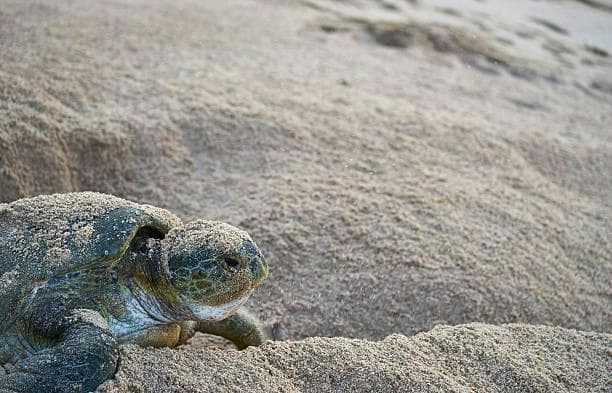
Ras Al Hadd beach
Ras Al Hadd Beach: Gateway to Oman’s Wild Coast and Turtle Paradise
On Oman’s far eastern tip, where the Arabian Sea meets the Gulf of Oman, you’ll find a rare stretch of coastline that feels timeless—untouched, wild, and profoundly peaceful. Ras Al Hadd Beach, close to the humble fishing village of the same name, is a place where golden sands meet turquoise waves, where ancient traditions linger, and where, under the cover of night, one of nature’s most extraordinary rituals unfolds: the nesting of endangered sea turtles.
This is not just a beach; it’s a living sanctuary, a crossroads between land and sea, past and present, human and wild. Whether you’re drawn by the promise of quiet solitude, the thrill of wildlife encounters, or a curiosity about authentic coastal life, Ras Al Hadd invites you to slow down, breathe deeply, and witness nature on its own terms.
1. Turtle Nesting Site: Witnessing Nature’s Miracle
A Sacred Shore for Sea Turtles
Arguably the greatest draw of Ras Al Hadd Beach is its status as a protected nesting ground for two iconic species—the green turtle (Chelonia mydas) and the loggerhead turtle (Caretta caretta). Each year, from late May to early September, hundreds of female turtles emerge from the sea, guided by ancient instincts, to lay their eggs on the very sands where they were born.
What It’s Like:
Nighttime Ritual: Turtle watching tours take place after dusk, under the soft glow of the stars. Visitors, led by trained guides, walk quietly along the beach, listening for the telltale sound of flippers scraping sand.
Respectful Observation: The process is magical and solemn—seeing a massive female turtle dig her nest, lay dozens of eggs, and then laboriously return to the sea. Sometimes, if you’re lucky, you’ll also witness tiny hatchlings making their frantic dash for the waves, their journey illuminated only by moonlight.
Conservation in Action: Ras Al Hadd is a designated protected area, and strict rules are in place to minimize disturbance: no flash photography, minimal noise, and no touching or interfering with turtles or nests. Local rangers and guides share fascinating insights about turtle biology, the threats these animals face, and Oman’s efforts to safeguard their future.
Why It Matters: Turtle nesting is a profound encounter with the wild—an experience that humbles and inspires. It’s also a powerful reminder of our responsibility as stewards of the planet, and a chance to support ecotourism that directly helps protect these ancient mariners.
2. Pristine Sandy Beaches: Serenity, Sun, and Sea Air
An Unspoiled Natural Playground
Beyond turtle season, Ras Al Hadd’s beaches beckon with their own charms. Here, the coastline remains blissfully undeveloped, free from the crowds and commercialism that mark many other seaside destinations.
What to Do:
Swimming and Sunbathing: The sand is fine and pale, perfect for long barefoot walks or simply lounging beneath the sun. The water is usually crystal-clear, with gentle waves that invite you to swim or wade. Do check signage or ask locals before swimming, as currents can sometimes be strong.
Beachcombing: Early mornings and late afternoons are ideal for exploring—look for seashells, interesting driftwood, or perhaps the tracks of nocturnal wildlife. The gentle rise and fall of the tide reshapes the beach daily, revealing new treasures each time.
Picnicking: Pack a picnic and settle in the shade of a palm, or under a portable beach tent. Listen to the seabirds, watch fishing boats bobbing on the horizon, and savor the slow pace of coastal life.
Atmosphere: Ras Al Hadd’s beaches are places of peace—perfect for couples, families, or solo travelers seeking reflection, connection, or simply a break from the everyday rush.
3. Coastal Wildlife and Birdwatching: A Naturalist’s Delight
Rich Biodiversity at Land’s End
Ras Al Hadd isn’t just about turtles. The entire area is a hotspot for coastal wildlife, making it a favorite among birdwatchers, photographers, and all lovers of the natural world.
What to Look For:
Migratory Birds: The beaches and nearby lagoons attract a dazzling variety of birds, especially during migration seasons. Keep your binoculars ready for sandpipers, herons, plovers, oystercatchers, and even the occasional flamingo.
Resident Fauna: You may spot ghost crabs darting across the sand, small lizards sunning themselves on rocks, or even the rare Arabian gazelle in the hinterlands.
Marine Life: At low tide, tide pools reveal a miniature world of starfish, tiny fish, and colorful shells. Offshore, dolphins and turtles are sometimes visible from the beach, especially in the early morning.
Flora: The coastal vegetation, adapted to salt and wind, is surprisingly diverse—look for hardy succulents, wildflowers, and graceful palms that line the dunes.
Tips:
Bring a camera with a zoom lens or a good pair of binoculars.
Explore quietly, especially near bird nesting areas.
Visit at sunrise or sunset for the best light and most animal activity.
4. Local Fishing Village Experience: Step into Omani Coastal Life
Heritage, Tradition, and Daily Rhythms
A short walk or drive from the beach brings you into the heart of Ras Al Hadd village—a small community where fishing is not just a livelihood, but a way of life passed down through generations.
What to Discover:
Traditional Boats: The harbor is lined with colorful wooden dhows and smaller fishing vessels, their designs reflecting centuries of maritime craftsmanship.
Village Markets: Early in the day, you might catch the fishermen returning with their haul—fresh fish, crabs, and sometimes lobster. Simple markets spring up, selling the freshest seafood you’ll ever taste.
Daily Life: Wander the narrow lanes, greet locals with a friendly “Salam Alaikum,” and observe scenes of family life—nets being mended, boats painted, children playing in the shade.
Cultural Etiquette: Dress modestly and ask permission before taking close-up photos of people or private homes. A respectful curiosity is always welcomed, and you may find yourself invited for Omani coffee or dates as a gesture of hospitality.
Why It Matters: This connection with Ras Al Hadd’s people adds depth to your visit. It’s a reminder that the beach and its wildlife are inseparable from the human stories that unfold here daily.
5. Ras Al Hadd Fort: Echoes of Oman’s Maritime Past
History and Panoramic Views
Not far from the village and beach stands Ras Al Hadd Fort, a sturdy sentinel dating back to the 17th century. While not as grand as Oman’s inland forts, it offers a unique glimpse into the region’s history and strategic importance.
What to Experience:
Architectural Heritage: Explore the fort’s thick walls, watchtowers, and inner courtyards. Imagine the centuries of traders, fishermen, and soldiers who once kept watch over these shores.
Maritime Displays: Some rooms feature simple exhibits on the area’s maritime history, local crafts, and the ever-present relationship between Omanis and the sea.
Vistas: Climb to the ramparts for sweeping views across the coastline and fishing harbor—perfect for photos, reflection, or simply soaking in the scene.
Practical Tips:
Opening hours can vary; check ahead or ask at your accommodation.
Modest dress is appreciated in and around the fort.
6. Trip Planning: Practical Advice for the Perfect Ras Al Hadd Experience
Getting There
Ras Al Hadd is about 3.5 to 4 hours’ drive southeast from Muscat. The road is well-maintained and clearly signposted, passing through some of Oman’s most scenic landscapes—desert dunes, rocky outcrops, and coastal plains.
Self-Drive: Renting a car is the best way to explore at your own pace. The journey is part of the adventure, with plenty of photo stops along the way.
Tours: Local tour companies offer day or overnight trips, often combining Ras Al Hadd with other highlights like Wadi Shab or Sur.
Parking: Ample parking is available near the beach, fort, and village.
Best Time to Visit
October to April: Pleasant, cooler weather, perfect for beach activities, sightseeing, and wildlife watching.
May to September: Turtle nesting season—hot and humid by day, but the nights come alive with turtle activity. Guided tours are essential, and advance booking is strongly recommended.
What to Pack
Sun Protection: Sunscreen, hat, sunglasses—Oman’s sun is strong year-round.
Water and Snacks: While some local shops are available, bring plenty of water and light snacks for comfort.
Lightweight Clothing: Breathable fabrics, modest cuts (covering shoulders and knees) for village visits and public spaces.
Comfortable Shoes: For beach walks and exploring the fort or village.
Camera/Binoculars: For capturing turtles, birds, and panoramic vistas.
Torch/Headlamp: Especially useful during night-time turtle tours.
Safety and Etiquette
Turtle Tours: Always book with licensed guides. Do not use flash, keep noise low, and follow all instructions to avoid disturbing the turtles.
Swimming: Only swim in designated safe areas, as currents can be unpredictable.
Modesty: Respect local customs—cover up when in the village or public areas.
Litter: Help keep Ras Al Hadd pristine—take all rubbish with you, especially plastics that can endanger wildlife.
7. Sample Itinerary: Full Day at Ras Al Hadd Beach
Early Morning:
Depart Muscat just after dawn, enjoying scenic stops en route.
Arrive at Ras Al Hadd Beach by late morning—relax, swim, or walk along the sand.
Late Morning:
Explore Ras Al Hadd Fort, learning about the region’s maritime history.
Visit the fishing village—observe the catch of the day, meet local fishermen, and sample fresh seafood if available.
Lunch:
Pack a picnic or try local fare in the village.
Afternoon:
Rest in the shade, stroll the coastline, or enjoy birdwatching in the lagoon areas.
Photograph the changing light and colors of the sea as the day progresses.
Evening:
Join a guided turtle watching tour—arrive before sunset for a briefing, then follow your guide for an unforgettable encounter.
Depending on your energy and plans, either stay overnight in a local guesthouse or eco-lodge, or begin the drive back to Muscat.
8. Top Tips for an Unforgettable Visit
Book Turtle Tours Early: Especially in peak nesting months, tours fill up quickly. Secure your spot in advance.
Stay Overnight: Consider a night at a Ras Al Hadd or Ras Al Jinz lodge for the full turtle experience and a relaxed pace.
Binoculars Are Essential: For both bird and wildlife watching.
Combine Destinations: Pair your visit with Ras Al Jinz Turtle Reserve, the lagoon at Khor Grama, or a hike in nearby Wadi Shab.
Be Present: Switch off your phone, walk barefoot in the sand, and savor the rhythms of the coast.
9. The Spirit of Ras Al Hadd: Why It Captivates
Ras Al Hadd is more than a scenic beach—it’s a living testament to harmony between people and nature. The turtles return each year to this same shore, just as fishermen cast their nets and families gather for evening walks. Every sunrise and sunset here feels like a quiet celebration of life’s resilience.
Visiting Ras Al Hadd is a chance to witness ancient cycles, to reflect on our place in the world, and to support conservation and community-based tourism that protects this wild beauty for generations to come.
Conclusion: Your Invitation to Oman’s Wild East
From the gentle sweep of its sands to the moonlit drama of turtle nesting, Ras Al Hadd Beach stands as one of Oman’s most magical destinations. It’s a place where wildness mingles with welcome, where the pulse of the ocean shapes both land and people, and where every guest is invited to become a steward of nature.
So pack your curiosity, your sense of wonder, and your respect for the wild—and let Ras Al Hadd show you the soul of Oman’s coast. Here, every moment is a memory in the making, and every visit a promise to the turtles who have called this place home for millennia.
Are you ready for your adventure? The wild east awaits.
Written by Farees
Travel writer and founder of Oman Explorer. Based in Muscat, Oman, with years of experience exploring the Sultanate's hidden gems, ancient forts, stunning wadis, and desert landscapes. Passionate about sharing authentic travel experiences and helping visitors discover the beauty of Oman.
Learn more about the authorMore Articles to Explore



Comments (0)
Sign in to comment
Create a free account or sign in to join the conversation.
No comments yet. Be the first to comment!