Royal Opera House Muscat: Performances, Tours, and Guide
Did you know that the Royal Opera House Muscat (ROHM), an architectural masterpiece, was conceived, designed, and constructed in a mere four years? Completed in 2011, this cultural beacon rose from the Omani desert sands with astonishing speed, defying typical construction timelines for such a grand and intricate project. It wasn't just built quickly; it was built to perfection, immediately establishing itself as the first opera house on the Arabian Peninsula and a global stage for the arts. For a nation so deeply rooted in its traditional heritage, the rapid embrace and success of such an international institution is truly remarkable, reflecting Oman's unique blend of tradition and forward-thinking vision.
As a local who has witnessed its transformation from a concept to a thriving cultural hub, I can tell you that the Royal Opera House Muscat isn't just a building; it's an experience, a symphony for the senses, and a testament to Oman's profound appreciation for art and beauty. Nestled in the heart of Muscat's Shatti Al Qurum district, it stands as a gleaming white marble marvel, inviting both locals and visitors to step into a world of artistic wonder. Whether you're a seasoned opera aficionado, a ballet enthusiast, or simply curious to explore one of Oman's most iconic landmarks, the ROHM offers something truly special. Let me guide you through its enchanting halls, sharing my personal insights, practical tips, and everything you need to know to make your visit unforgettable.
The Vision Behind the Grandeur: A Cultural Oasis
The Royal Opera House Muscat was the brainchild of His Majesty Sultan Qaboos bin Said Al Said, a passionate patron of classical music and the arts. His vision was to create a centre of cultural excellence that would bridge East and West, showcasing a diverse range of artistic expressions from around the globe while also nurturing local talent. The result is a venue that flawlessly blends contemporary Omani architecture with Islamic design elements, creating an aesthetic that is both grand and intimately welcoming. It’s more than just a performance space; it’s a living monument to cultural exchange and artistic dialogue.
Walking towards the ROHM for the first time, you can't help but feel a sense of anticipation. The sheer scale and intricate details begin to unfold long before you step inside. The surrounding landscaped gardens, impeccably maintained, offer a serene prelude to the majesty within. In the cooler months, especially from October to April, the evening air around the ROHM is often filled with the gentle murmurs of excited visitors, the soft glow of its illuminated facade, and sometimes even the faint strains of rehearsal music drifting from within. It’s a place that feels alive, breathing culture into the very fabric of the city.
Architectural Marvel: A Feast for the Eyes
Exterior Grandeur: White Marble and Intricate Arches
The first thing that strikes you about the ROHM is its gleaming white marble exterior, sourced from Oman and Italy. It absolutely shimmers under the Muscat sun and glows elegantly at night. The architecture is a harmonious blend of traditional Omani and Islamic styles, characterized by graceful arches, carved wooden latticework (mashrabiya), and intricate geometric patterns. As you approach, take a moment to appreciate the precision of the design – the symmetrical lines, the soaring columns, and the thoughtful placement of every element. The pathways leading to the main entrance are flanked by date palms and manicured gardens, often adorned with contemporary Omani sculptures, providing a peaceful transition from the bustling city outside.
I remember one evening, arriving early for a performance, and just sitting on one of the benches outside, watching families stroll by, children giggling as they explored the fountains, and couples taking photos against the stunning backdrop. The scent of jasmine, often planted in the gardens, mingled with the crisp evening air, creating a truly magical atmosphere. It's a place that encourages you to slow down and soak it all in.
Interior Splendor: Wood, Crystal, and Acoustic Perfection
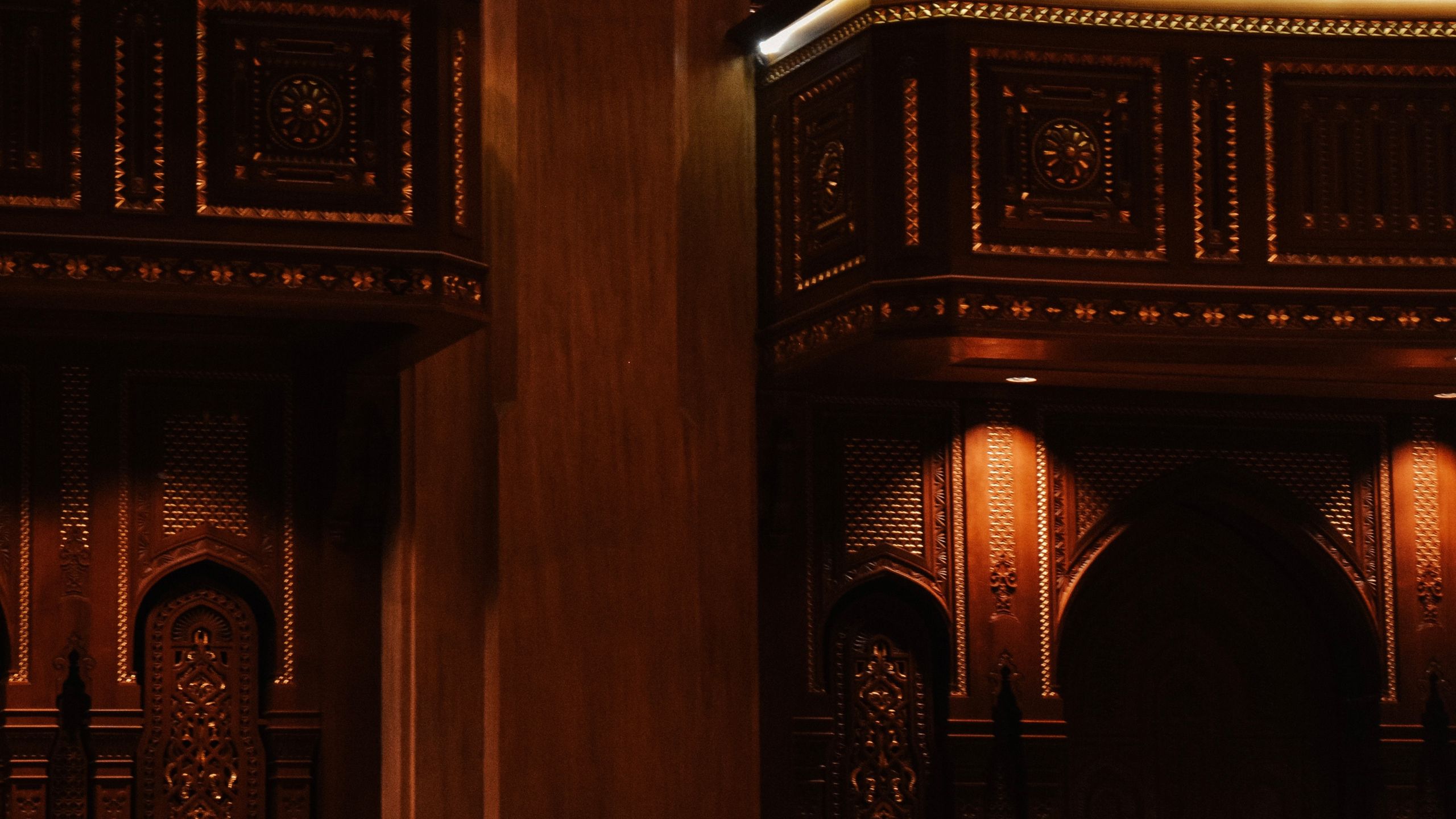
Step inside, and the interior is even more breathtaking. The main auditorium, with a seating capacity of 1,100, is a masterpiece of design and acoustics. You'll immediately notice the lavish use of Omani desert rose marble, dark teak wood from Myanmar, and rosewood, all meticulously crafted into stunning panels and intricate carvings. The ceiling is adorned with a massive crystal chandelier that sparkles like a constellation of stars, casting a warm, inviting glow over the plush velvet seats.
But it's not just about aesthetics; the ROHM is also a technological marvel. The auditorium features state-of-the-art acoustic systems that can be adjusted to suit different types of performances, from a grand opera to a chamber concert. I once attended a symphony orchestra performance there, and the clarity of every instrument, from the delicate strings to the booming percussion, was simply astounding. It felt as if the music was enveloping you, a truly immersive experience that few venues can offer. The attention to detail extends to every corner, from the ornate gold leaf accents to the rich, hand-woven carpets. It’s a sensory overload in the best possible way.
Experiencing a Performance: Beyond the Stage
Attending a performance at the Royal Opera House Muscat is, without a doubt, the pinnacle of the ROHM experience. The programming is incredibly diverse, reflecting Sultan Qaboos's vision. You can expect to find a world-class lineup that includes:
- Grand Operas: From classic Italian productions to contemporary works, performed by renowned international companies.
- Ballet and Dance: Elegant ballet performances, modern dance, and folk dance troupes from across the globe.
- Classical Concerts: Symphony orchestras, chamber ensembles, and recitals by celebrated soloists.
- Jazz and World Music: High-profile jazz artists and vibrant world music performances.
- Arab and Omani Productions: Showcasing traditional Arab music, Omani folk arts, and contemporary Arab artistic expressions. This is particularly special, as it gives you a taste of local culture on a world-class stage.
I distinctly remember attending a performance of 'The Barber of Seville' a few years ago. The energy in the hall was palpable, the costumes were exquisite, and the voices were simply divine. During the intermission, I wandered through the grand foyers, which themselves feel like art galleries, with their gleaming floors and intricate ceilings. Many people were dressed in their finest traditional Omani attire, the dishdasha for men and elegant abayas for women, alongside guests in Western evening wear. It's a beautiful fusion of cultures and styles, all united by a shared appreciation for the arts.
Ticket Booking and Prices
Booking your tickets in advance is highly recommended, especially for popular international productions. The season typically runs from September to May, with a packed schedule of events. You can purchase tickets:
- Online: Through the official ROHM website (www.rohmuscat.org.om). This is the most convenient option.
- Box Office: Located at the ROHM, open Saturday to Thursday, 9:00 AM to 6:00 PM.
Ticket prices vary significantly depending on the performance, seating location, and artist. Expect a wide range:
- Starting Prices: For some local productions or less prominent events, tickets might begin around OMR 10-15 for upper-tier seats.
- Mid-Range: Most good seats for international operas or ballets fall within the OMR 30-70 range.
- Premium Seats: For the best views and most sought-after performances, prices can go upwards of OMR 80-120+.
Student and group discounts are sometimes available, so it's always worth checking the website or inquiring at the box office.
Dress Code and Etiquette
Attending a performance at the ROHM is a special occasion, and the dress code reflects that. For evening performances, smart casual to formal attire is expected. For men, a suit or a crisp national Omani dishdasha is appropriate. For women, an elegant dress, smart trousers, or a traditional abaya is suitable. While not strictly enforced for all performances, dressing up adds to the overall experience. Photography and videography are generally not permitted during performances to avoid disturbing the artists and other audience members.
Behind the Scenes: The Royal Opera House Tours
Even if you can't catch a performance, a guided tour of the Royal Opera House Muscat is an absolute must. It offers a fascinating glimpse into the architectural marvels, the technological innovations, and the daily operations of this world-class venue. Tours are highly informative and give you access to areas you wouldn't normally see.
What the Tour Covers
During the tour, you'll typically explore:
- The Main Auditorium: Stand on the stage where international stars have performed, feel the grandeur, and marvel at the acoustics from a different perspective.
- The Royal Box: Get a glimpse of the opulent private box used by the Sultan and other dignitaries.
- Rehearsal Rooms: See where the magic begins, where artists prepare and perfect their craft.
- The Instrument Museum: A small but captivating collection of traditional Omani and Arab musical instruments.
- The Foyer and Public Areas: Learn about the intricate designs, the materials used, and the stories behind the artwork.
My last tour was particularly memorable because our guide was so passionate and knowledgeable. She pointed out subtle design elements I would have missed – like the specific motifs in the ceiling carvings that tell stories from Omani heritage, or how the intricate wooden panels are designed not just for beauty but also to optimize sound. Standing on that vast stage, looking out at the empty velvet seats, you truly feel the immense presence of the space. It’s a moment that connects you to every artist who has graced that stage.
Tour Times and Prices
- Public Tours: Generally available daily (except Fridays) from 8:30 AM to 10:30 AM. It's best to arrive early, as tours operate on a first-come, first-served basis, and the last entry is usually around 10:30 AM.
- Private Tours: Can be arranged for groups by prior booking, sometimes extending into the afternoon.
Tour Prices:
- Adults: OMR 3.5
- Children (under 12) / Students: OMR 1.0 (with valid ID)
The tour usually lasts about 45 minutes to an hour. Remember to wear comfortable shoes, as there's a fair bit of walking involved.
Beyond the Main Hall: What Else to Explore
The Opera Galleria
Connected to the main opera house building is the Opera Galleria, a sophisticated shopping and dining complex. It’s a beautiful extension of the ROHM’s architectural style, featuring luxury boutiques, art galleries, and several high-end cafes and restaurants. It’s a fantastic place to:
- Enjoy a Pre- or Post-Performance Meal: Options range from fine dining to more casual cafes. I often grab a coffee and a pastry at one of the cafes, soaking in the elegant ambiance before a show.
- Browse Unique Shops: You'll find exclusive brands, Omani artisan crafts, and sometimes pop-up art exhibitions.
- Relax and People-Watch: The Galleria is an attraction in itself, a cool, spacious haven perfect for unwinding.
The Galleria’s open-air corridors and elegant design make it a pleasure to explore, even if you’re just window shopping. It complements the cultural experience of the opera house perfectly, extending the sense of luxury and refined taste.
Nearby Attractions and Dining
The Royal Opera House is conveniently located in Shatti Al Qurum, an upscale district of Muscat. While the Grand Mosque is about 10-15 km away, a few other notable places are closer:
- The Beach: Shatti Al Qurum beach is just a short drive or a pleasant 20-minute walk away. Many visitors enjoy a stroll along the corniche before heading to the ROHM.
- High-End Hotels: Several luxury hotels, such as the Grand Hyatt Muscat and InterContinental Muscat, are within a 5-10 minute drive, offering additional dining options.
- Local Restaurants: For a more authentic Omani culinary experience, explore some of the local restaurants scattered throughout Shatti Al Qurum and nearby Al Khuwair. Ask your taxi driver for recommendations for traditional Omani food, often involving succulent grilled meats and flavorful rice dishes.
Planning Your Visit: Practical Guide
Getting There
The Royal Opera House Muscat is located on Al Kharj Street in Shatti Al Qurum. It's easily accessible by car or taxi from most parts of Muscat.
- From Muscat International Airport (MCT): Approximately 20-25 km, a 20-30 minute drive depending on traffic. Taxis are readily available at the airport.
- From Muttrah Souq/Corniche: Around 15 km, a 15-20 minute drive.
- From Ruwi/CBD: Approximately 10-12 km, a 10-15 minute drive.
Taxis are the most common mode of transport for tourists. You can hail them on the street, use ride-hailing apps like Otaxi or Mwasalat, or arrange one through your hotel. There is ample free parking available on-site if you are driving yourself.
Best Time to Visit
The performance season runs from September to May, offering the richest experience. If you plan to attend a show, aim for these months. For tours, the ROHM is open year-round (except Fridays), but the cooler months (October to April) make for a more comfortable overall visit to Muscat.
Opening Hours
- Box Office: Saturday to Thursday, 9:00 AM - 6:00 PM.
- Public Tours: Daily (except Friday), 8:30 AM - 10:30 AM (last entry 10:30 AM).
- Opera Galleria Shops/Cafes: Generally open from 10:00 AM to 10:00 PM, with variations for individual outlets.
Local Tips Most Tourists Miss
- Arrive Early for Performances: Not just to find your seat, but to soak in the atmosphere, explore the foyers, and perhaps enjoy a pre-show drink or snack at the Opera Galleria. Sometimes there are pre-performance talks or exhibitions that enhance the experience.
- Dress Code for Tours vs. Performances: While performances require smart attire, for tours, comfortable clothing and walking shoes are perfectly acceptable. Just ensure it's modest and respectful, as is customary in Oman.
- Photography Rules: Photography is generally allowed in the public areas and during tours (without flash), but strictly prohibited during performances. Always check with staff if unsure.
- Combine with Dining: Plan a meal at one of the Opera Galleria's restaurants. It's an integral part of the upscale experience.
- Explore the Gardens: Don't rush past the exterior. The surrounding gardens are beautifully maintained and offer serene spots for reflection and photography, especially in the early morning or late afternoon.
- Check the Schedule Well in Advance: The ROHM's program is released months ahead. If there's a specific type of performance you're keen to see, check their website and book as soon as tickets become available.
- Listen for the Call to Prayer: If you're there around prayer times, you might hear the beautiful call to prayer emanating from nearby mosques, an atmospheric contrast to the classical music within the opera house.
My Final Thoughts: A Symphony for the Senses
The Royal Opera House Muscat is more than just a building; it's a vibrant heart beating with culture, innovation, and a deep respect for both Omani heritage and global artistry. From the moment you approach its gleaming marble facade to the final applause of a breathtaking performance, every aspect of the ROHM is designed to enchant and inspire. It’s a place where East meets West in a spectacular embrace, where the ancient traditions of Oman are celebrated alongside the world's most sophisticated art forms.
As someone who has seen it grow and evolve, I can confidently say that a visit here is not just a tick on your travel list; it's an immersion into the soul of modern Oman. Whether you're captivated by the architectural genius, moved by a soaring aria, or simply enjoying a peaceful stroll through its elegant halls, the ROHM promises an experience that will resonate long after you've left. So, pack your finest attire, prepare to be amazed, and let the Royal Opera House Muscat serenade your senses. I promise, it's an experience you won't soon forget!
Written by Farees
Travel writer and founder of Oman Explorer. Based in Muscat, Oman, with years of experience exploring the Sultanate's hidden gems, ancient forts, stunning wadis, and desert landscapes. Passionate about sharing authentic travel experiences and helping visitors discover the beauty of Oman.
Learn more about the authorMore Articles to Explore


Comments (0)
Sign in to comment
Create a free account or sign in to join the conversation.
No comments yet. Be the first to comment!