Salalah Khareef: Witness Arabia's Green Transformation in Oman
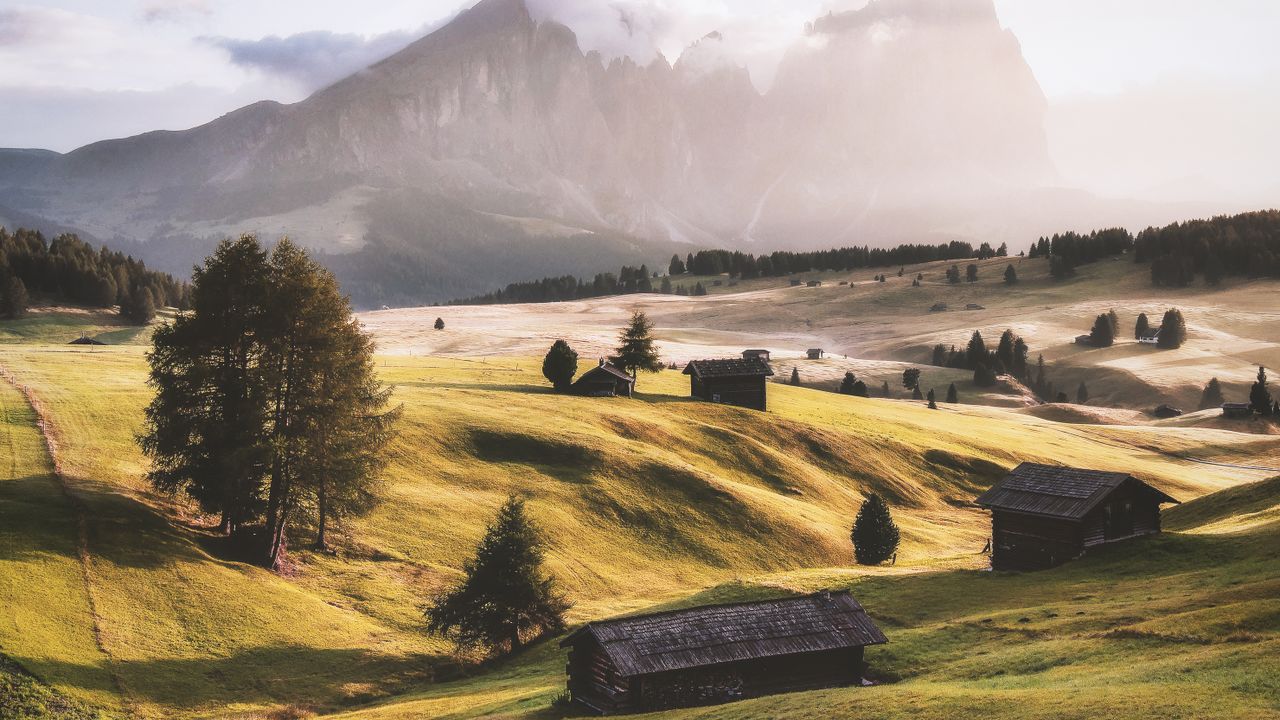
Imagine a verdant landscape, mist-shrouded mountains, and cascading waterfalls in the heart of Arabia. Sounds like a mirage, doesn't it? Yet, this breathtaking transformation is a reality every year in Oman's southern Dhofar Governorate during the magical Salalah Khareef season. From June to September, while the rest of the Arabian Peninsula swelters under the summer sun, Salalah embraces a unique monsoon climate, painting the region in shades of emerald green and offering a refreshing escape.
As your trusted Oman Explorer, we're here to guide you through the wonders of Salalah during Khareef, a phenomenon that truly sets Oman apart. Get ready to swap scorching desert dunes for cool, misty air and lush, subtropical scenery!
What is the Salalah Khareef Season?
The term 'Khareef' literally translates to 'autumn' in Arabic, but in Salalah and the wider Dhofar region, it refers to the annual monsoon season. Driven by the Indian Ocean monsoon, moist air masses travel across the Arabian Sea, creating a unique microclimate along the coast and mountains of Dhofar. This results in continuous drizzle, heavy fog, and cooler temperatures, typically ranging from a pleasant 20°C to 28°C.
Unlike the heavy, torrential downpours experienced in other monsoon regions, Salalah's Khareef is characterized by a gentle, persistent drizzle (known locally as ghayth) and dense fog that blankets the mountains. This consistent moisture is enough to awaken the dormant flora, transforming barren hills into a vibrant tapestry of green, bringing rivers to life, and creating temporary waterfalls that tumble down the refreshed slopes.
Why Visit Salalah During Khareef?
Visiting Salalah during Khareef is an experience unlike any other in the Middle East. It's a chance to witness a natural spectacle that defies expectations of an arid region. Here are just a few compelling reasons to pack your bags:
- Escape the Heat: For residents of the GCC and beyond, Salalah offers a much-needed respite from the intense summer heat, providing cool temperatures and refreshing air.
- Spectacular Scenery: The dramatic transformation of the landscape is truly awe-inspiring. Lush pastures, vibrant greenery, and mist-shrouded mountains create photographic opportunities around every bend.
- Cascading Waterfalls: The mountains come alive with seasonal waterfalls, offering stunning natural beauty and refreshing pools.
- Cultural Vibrancy: The Khareef season also brings a lively cultural atmosphere, with local festivals, traditional music, and bustling markets attracting visitors from across the Gulf.
- Unique Biodiversity: The unique climate supports a diverse ecosystem, from rare birds to indigenous plant species, making it a haven for nature lovers.
Top Experiences and Sights During Salalah Khareef
Your itinerary during the Salalah Khareef season will be packed with natural wonders and cultural gems. Here’s what you absolutely shouldn’t miss:
Chasing Waterfalls and Exploring Lush Wadis
The Khareef is synonymous with water. The mountains of Dhofar become dotted with seasonal waterfalls, and the wadis (riverbeds) swell with crystal-clear water. Some of the most famous include:
- Wadi Darbat: Often considered the jewel of Dhofar, Wadi Darbat transforms into a sprawling natural park with a permanent lake that overflows during Khareef, creating stunning waterfalls. You can rent a boat, enjoy a picnic, or simply marvel at the scenery.
- Ain Athum: A popular spot for families, Ain Athum features easily accessible waterfalls and picnic areas, often bustling with locals enjoying the cool weather.
- Ain Jarziz: Nestled amidst verdant hills, Ain Jarziz is another beautiful spring and waterfall area, perfect for a refreshing dip or a scenic stroll.
- Tawi Atayr Sinkhole (The Bird Well): While not a waterfall, this massive natural sinkhole, surrounded by lush vegetation, is a fascinating geological wonder that comes alive with mist and greenery during Khareef.
Driving Through Mist-Shrouded Mountains
One of the most magical experiences is simply driving through the Dhofar mountains. Areas like Jebel Samhan, Ittin, and Qairun Hairitti offer breathtaking vistas. The dense fog often rolls in, creating an ethereal atmosphere as you ascend, with visibility dropping and the world turning into a soft, green blur. Pull over safely at designated viewpoints to soak in the dramatic landscape when the mist momentarily clears.
Coastal Beauty: Beaches and Blowholes
Even with the green inland, Salalah's coastline remains captivating. While swimming might be less appealing due to cooler temperatures and rougher seas, the dramatic cliffs and unique features are still worth visiting:
- Mughsail Beach & Blowholes: Famous for its dramatic cliffs and natural blowholes that shoot water high into the air, Mughsail is a must-see. The beach itself offers stunning views, even if you just prefer to walk along the shore.
- Al Fizayah Beach: A bit further west, this secluded beach is renowned for its pristine sands, clear waters (weather permitting), and stunning rock formations, offering a more tranquil experience.
Exploring History and Culture
Dhofar's rich history, particularly its role in the ancient frankincense trade, is palpable even during the Khareef:
- Al Baleed Archaeological Park (UNESCO World Heritage Site): Explore the ruins of the ancient city of Zafar, a major frankincense port, and visit the Frankincense Land Museum to learn about Oman's maritime history and the precious resin.
- Sumhuram Archaeological Park (Khor Rori): Another UNESCO site, this was once the easternmost outpost of the Hadhramaut Kingdom and a vital port for the frankincense trade. The ruins overlooking a beautiful lagoon are particularly atmospheric during Khareef.
- Haffa Souq: Immerse yourself in the bustling atmosphere of Salalah's traditional market. You'll find an abundance of frankincense in various forms, traditional Omani attire, and local crafts.
Savoring Local Delights
The Khareef season is also a time to indulge in local flavors. Don't miss:
- Fresh Coconut Water and Fruits: Salalah is famous for its coconut plantations and tropical fruits like bananas and papayas. Enjoy a refreshing drink directly from a fresh coconut sold by roadside vendors.
- Omani Halwa: A traditional sweet treat, often flavored with rosewater and saffron.
- Grilled Fish and Seafood: Given its coastal location, fresh seafood is a staple.
- Camel Meat: A local delicacy, often prepared as a stew or grilled.
Planning Your Ultimate Salalah Khareef Trip
To make the most of your adventure, some careful planning is essential.
When is the Best Time to Go?
The Salalah Khareef season officially runs from June 21st to September 21st. The peak greenery and waterfall activity usually occur from late July through August, when the monsoon is at its strongest. If you prefer fewer crowds and slightly less intense fog, early July or September can also be wonderful, with the landscape still retaining its lushness.
Getting There
- By Air: Salalah International Airport (SLL) is well-connected with direct flights from Muscat, Dubai, Abu Dhabi, Doha, and other GCC cities, especially during Khareef. Booking in advance is highly recommended as flights fill up quickly.
- By Road: For the adventurous, a road trip from Muscat to Salalah (approximately 1,000 km, 10-12 hours drive) offers a dramatic transition from desert to green mountains. Ensure your vehicle is well-maintained and you plan for overnight stops if driving straight.
Accommodation Options
Salalah offers a range of accommodation, from luxurious resorts to budget-friendly hotels and furnished apartments. Options include:
- Luxury Resorts: Al Baleed Resort Salalah by Anantara, Crowne Plaza Resort Salalah.
- Mid-Range Hotels: Salalah Gardens Hotel, Millennium Resort Salalah.
- Serviced Apartments: A popular choice for families, offering more space and kitchen facilities.
Booking well in advance is absolutely crucial, especially for July and August, as demand skyrockets during Khareef.
Getting Around Salalah
Renting a 4x4 vehicle is highly recommended, if not essential. Many of the most scenic spots in the mountains are best accessed via unpaved or slippery roads. A 4x4 will give you the flexibility and capability to explore off the beaten path. Taxis are available but can be costly for extensive touring, and public transport is limited outside the city center. Several local tour operators offer guided excursions, which can be a great option if you prefer not to drive yourself.
What to Pack
- Light Layers: The weather can change quickly.
- Waterproof Jacket: Essential for the persistent drizzle and mist.
- Comfortable, Waterproof Walking Shoes: For exploring wadis and slippery paths.
- Hat and Sunscreen: Even on cloudy days, UV rays can be strong.
- Insect Repellent: Especially if you plan to visit wadis or spend time outdoors.
- Camera: To capture the stunning scenery!
- Portable Charger: For your devices, as you'll be out exploring.
Driving Tips & Safety During Khareef
- Fog: Be prepared for dense fog, especially in the mountains. Drive slowly, use your fog lights, and maintain a safe distance.
- Slippery Roads: The constant moisture makes roads slick. Drive cautiously, especially on winding mountain roads.
- Wildlife: Camels, goats, and cattle often graze by the roadside; be vigilant.
- Water Levels: Exercise caution near wadis and waterfalls, as water levels can rise quickly.
- Navigation: Download offline maps as mobile signal can be intermittent in remote areas.
- Stay Hydrated: Even in cool weather, it's important to drink water.
Cultural Etiquette
Oman is a conservative country. While Salalah is accustomed to tourists, especially during Khareef, it's respectful to dress modestly, particularly when visiting local villages or religious sites. Always ask for permission before photographing people.
Embrace the Green Heart of Arabia
The Salalah Khareef season is a testament to Oman's incredible natural diversity and a truly unforgettable travel experience. It’s an opportunity to see a side of Arabia that few imagine – a land of verdant beauty, cool breezes, and mystical fog. Whether you’re seeking a refreshing escape from the summer heat, an adventure into stunning landscapes, or a deep dive into ancient history, Salalah during Khareef promises all this and more.
Don't just dream of green pastures; come and witness them yourself. Start planning your extraordinary Khareef adventure to Salalah today and discover why this Omani monsoon marvel is truly one of a kind!
Written by Farees
Travel writer and founder of Oman Explorer. Based in Muscat, Oman, with years of experience exploring the Sultanate's hidden gems, ancient forts, stunning wadis, and desert landscapes. Passionate about sharing authentic travel experiences and helping visitors discover the beauty of Oman.
Learn more about the authorMore Articles to Explore


Comments (0)
Sign in to comment
Create a free account or sign in to join the conversation.
No comments yet. Be the first to comment!