Traditional Omani Food Guide: What to Eat and Where
The aroma hit me first – a deep, earthy scent of slow-cooked lamb mingled with the sweet spice of cloves and cardamom. I was sitting cross-legged on a plush carpet at a friend’s home in Nizwa, the glow of a traditional oil lamp casting dancing shadows on the walls. Before me, a massive platter of Shuwa took center stage, the tender, fall-off-the-bone meat practically begging to be eaten. My friend, Ahmed, gestured with a warm smile, “Yalla, eat! This is real Oman.” It was more than just a meal; it was an invitation into the heart of Omani culture, a testament to hospitality, and an unforgettable taste adventure. And that, my friends, is what Omani food is all about.
As a local, I’ve spent countless hours exploring the nooks and crannies of this beautiful country, and one of my greatest joys is sharing the authentic flavors of my homeland. Forget what you think you know about Middle Eastern cuisine; Omani food is a unique tapestry woven from centuries of trade, tradition, and a deep respect for natural ingredients. It’s hearty, aromatic, and surprisingly diverse, reflecting influences from India, Persia, East Africa, and the Mediterranean, all while retaining its distinct Omani character. So, if you’re planning a trip and wondering what culinary delights await, settle in. I’m here to be your personal guide to the best traditional Omani food, telling you exactly what to eat and, more importantly, where to find it for that truly authentic experience.
What Makes Omani Food Uniquely Omani?
Before we dive into the dishes themselves, let’s talk about what sets Omani cuisine apart. Our food is a reflection of our history as a maritime trading nation and a land of dramatic landscapes – from the fertile Batinah coast to the rugged Hajar Mountains and the vast desert plains. This means a rich pantry of ingredients and a melting pot of culinary techniques.
Key Ingredients and Flavors
- Rice: The staple of almost every meal, often fragrant Basmati, cooked with various spices.
- Meat: Lamb, goat, and chicken are prominent, especially for celebratory dishes.
- Fish: Given our extensive coastline, fresh fish is abundant, particularly kingfish, tuna, and hammour, often grilled or stewed.
- Dates: Oman is famous for its dates, which are not just a snack but a fundamental part of hospitality and cooking.
- Spices: Cardamom, cloves, cinnamon, saffron, turmeric, and black pepper are used generously, creating warm, aromatic profiles rather than overwhelming heat.
- Limes: Dried limes (loomi) are a signature souring agent, adding a distinct tang to stews and rice dishes.
- Ghee: Clarified butter is frequently used for richness and flavor.
Unlike some of our neighbors, Omani food tends to be less spicy, focusing more on the nuanced blend of aromatic spices. It’s comfort food at its finest, designed to be shared and savored.
The Culture of Sharing and Hospitality
Dining in Oman is a communal affair. Meals are often served on large platters, eaten by hand (usually the right hand) while sitting on the floor around a low table. This tradition fosters connection and conversation. When you’re offered food, especially in a home, it’s a sign of immense hospitality, and refusing it can be seen as impolite. Always accept a date and a small cup of Qahwa (Omani coffee) – it’s our way of saying 'welcome'.
Must-Try Traditional Omani Dishes
Alright, let’s get to the good stuff! Here are the dishes you absolutely cannot miss on your Omani culinary journey.
Main Courses: The Heart of Omani Feasts
Shuwa: The Celebratory Slow-Roast
If there’s one dish that encapsulates Omani celebration, it’s Shuwa. This isn't just a meal; it’s an event. Lamb or goat is marinated for hours in a rich blend of Omani spices – cumin, coriander, nutmeg, cloves, and a hint of chilli – then wrapped in banana or palm leaves. The bundles are then lowered into an underground sand oven (tanoor) and slow-cooked for anywhere from 24 to 48 hours. The anticipation is part of the magic!
When it finally emerges, the meat is incredibly tender, falling off the bone with the slightest touch. The aroma is intoxicating – smoky, earthy, and deeply savory. It’s usually served with fragrant rice. You’ll find Shuwa most commonly during Eid al-Adha or other major festivals, but some traditional restaurants offer it. Trust me, the melt-in-your-mouth texture and complex flavor profile are unlike anything you’ve ever tasted. It’s usually served with a simple rice or flatbread, allowing the meat to be the star.
Harees: The Wholesome Wheat and Meat Porridge
Harees is another deeply satisfying dish, often found during Ramadan or special gatherings. It's a thick, savory porridge made from cracked wheat and meat (usually chicken or lamb), slow-cooked together until the wheat breaks down and the mixture becomes smooth and creamy. It’s subtly spiced, often with cinnamon and cardamom, and finished with a drizzle of ghee. The texture is incredibly comforting, almost like a savory cloud, and it’s surprisingly filling. It warms you from the inside out, making it perfect for cooler evenings or breaking a fast.
Madrouba: Fragrant Chicken and Rice Stew
Think of Madrouba as a delightful, comforting stew where chicken, rice, and a medley of vegetables (like pumpkin, potato, or onion) are cooked down together until thick and flavorful. It’s often seasoned with a blend of turmeric, cumin, and dried limes, giving it a bright, tangy undertone. The rice absorbs all the rich broth, becoming incredibly tender and infused with the spices. It’s a staple in many Omani homes and offers a wonderful balance of savory and aromatic notes. You'll often see it served with a squeeze of fresh lime to brighten the flavors even further.
Majboos and Qabooli: Aromatic Rice Dishes
These are the kings of Omani rice dishes. Both involve cooking rice with meat (lamb, chicken, or fish) and a rich blend of spices, but they have subtle differences.
- Majboos: Often considered the national dish, Majboos (also known as Kabsa in other Gulf countries) features rice cooked with tender meat, slow-simmered until both are perfectly done. It’s heavily spiced with saffron, cardamom, cloves, and cinnamon, and often garnished with fried onions, nuts, and sometimes even dried fruits. The rice is incredibly fragrant, each grain infused with the rich flavors of the meat and spices.
- Qabooli: Similar to Majboos but typically features chickpeas and sometimes potatoes cooked with the rice, giving it a slightly different texture and flavor profile. It often has a more pronounced dried lime tang.
Both are hearty, immensely flavorful, and a must-try. I love how the rice picks up all the nuances of the spices, creating a truly layered taste experience. They are often served with a small side of a spicy tomato sauce or yogurt.
Mashuai: Whole Grilled Kingfish
Given our extensive coastline, fresh seafood is a significant part of the Omani diet. Mashuai is a fantastic example: a whole grilled kingfish (or other local fish like hammour) marinated simply with lemon, garlic, and Omani spices. The fish is grilled to perfection, resulting in crispy skin and moist, flaky flesh. It’s typically served with lemon rice and a tangy tomato salsa. The freshness of the ingredients shines through, and it’s a lighter, yet equally satisfying, alternative to the heavier meat dishes. You can often smell the smoky aroma of grilling fish wafting from restaurants near the coast.
Thareed: Hearty Bread and Vegetable Stew
Thareed is the ultimate Omani comfort food. It’s a hearty stew made with vegetables (like potatoes, carrots, zucchini) and meat (often lamb or chicken), cooked in a flavorful, spiced broth. What makes it unique is that pieces of traditional Omani flatbread (Khubz Omani) are torn and layered at the bottom of the serving dish, soaking up all the delicious juices of the stew. It’s a wonderfully rustic and filling dish, perfect for a cold evening or after a long day of exploring. The bread becomes soft and flavorful, melting in your mouth with every bite.
Breads and Accompaniments
Khubz Omani: The Everyday Flatbread
This thin, round, unleavened bread is a staple at almost every Omani meal. Cooked on a hot griddle, it has a slightly chewy texture and a wonderful toasted aroma. It’s perfect for scooping up stews, curries, or simply enjoyed with honey and cheese for breakfast. Watching it being made, puffed up with steam, is a simple pleasure. There's nothing quite like fresh, warm Khubz Omani straight off the griddle, especially when paired with some fresh dates and a dollop of local honey.
Rukhal Bread: A Rustic Delight
Another traditional bread, Rukhal is a very thin, almost crepe-like bread, often cooked on a large, convex griddle (saj). It’s incredibly versatile, used to wrap various fillings, or served alongside stews and gravies. It's lighter than Khubz Omani and has a delicate, slightly crispy texture. You’ll often find women preparing it fresh at local markets or heritage villages, and the smell of the baking dough is irresistible.
Drinks: The Elixirs of Omani Hospitality
Qahwa (Omani Coffee): The Ritual
More than just a drink, Qahwa is a cornerstone of Omani hospitality. This light, aromatic coffee is infused with cardamom (and sometimes a hint of rose water), served black, without sugar, in small, handle-less cups called finjan. It’s usually offered with dates and Halwa. The ritual of serving and drinking Qahwa is a social grace, a moment of connection. The cardamom adds a beautiful warmth and subtle floral note that makes it incredibly refreshing, especially after a rich meal.
Laban: Salty Buttermilk
This refreshing, salty buttermilk drink is popular, especially during warmer months. It’s a good palate cleanser and a traditional accompaniment to rich meals. Some variations include mint for an extra refreshing kick. It might sound unusual if you're not used to savory drinks, but it's surprisingly thirst-quenching.
Sweet Endings: Omani Desserts
Halwa: The Jewel of Omani Sweets
Omani Halwa is a truly exquisite confection, unlike any other halwa you might have tasted. Made from sugar, brown starch, saffron, cardamom, ghee, and often rose water and nuts, it’s slow-cooked for hours in large copper pots until it reaches a thick, jelly-like consistency. Its color ranges from amber to dark brown, and the taste is rich, sweet, and incredibly fragrant. It’s offered everywhere as a sign of hospitality, always with Qahwa. Each region, and even each family, has its own recipe, so don't be surprised by slight variations in texture and flavor. My personal favorite is the one with plenty of walnuts and a distinct saffron aroma – it’s pure luxury in a spoonful.
Dates: Nature's Candy
Oman is a land of dates, and you’ll find them everywhere, from lavish platters in hotels to simple offerings in shops. We have hundreds of varieties, each with its own unique flavor and texture. From the soft, honey-like Fardh to the chewy, caramel-flavored Khalas, dates are an essential part of Omani hospitality and a healthy, natural dessert. Enjoy them with Qahwa, or simply on their own. Don’t leave without trying several types!
Luqaimat: Golden Fried Dough Balls
These delightful little fried dough balls are crisp on the outside and soft on the inside, often drizzled with date syrup or honey. They're a popular street food and a sweet treat, especially during Ramadan. The light crunch followed by the soft, warm interior and the sticky sweetness is utterly addictive. Keep an eye out for stalls selling them fresh, especially in souqs.
Where to Savor Authentic Omani Flavors
Now that your appetite is thoroughly whetted, let’s talk about where to find these culinary treasures. From elegant dining experiences to humble local eateries, Oman offers a range of options.
Traditional Restaurants: A Taste of Heritage
Bait Al Luban (Muscat)
This is my top recommendation for an authentic, yet refined, Omani dining experience. Located in an old merchant house overlooking the Muttrah Corniche, Bait Al Luban offers a wonderful ambiance with traditional Omani seating and décor. The menu features classic Omani dishes prepared with care and presented beautifully. I particularly recommend their Shuwa (they offer it regularly, not just for festivals) and their grilled fish. The scents of frankincense and spices greet you at the door, setting the scene for a memorable meal. Prices typically range from OMR 8-15 for a main course, but a full meal with appetizers and drinks might be around OMR 15-25 per person. It’s located right on the Muttrah Corniche, making it perfect after a stroll through the souq. Opening hours are usually 12:00 PM - 11:00 PM daily. Book ahead, especially for dinner!
Al Angham (Royal Opera House, Muscat)
For a truly luxurious and high-end Omani dining experience, Al Angham at the Royal Opera House Muscat is unparalleled. The décor is stunning, reminiscent of an Omani palace, and the service is impeccable. The food is traditional Omani cuisine elevated to fine dining, with exquisite presentation and the highest quality ingredients. It’s perfect for a special occasion. Expect prices to be higher, typically OMR 25-40+ per person for a multi-course meal. It's a culinary experience as much as a meal, and the attention to detail is remarkable. It’s located within the Royal Opera House Muscat complex, about 10-15 km from Muttrah. Check their website for specific opening hours, as they can vary based on opera schedules.
Ubhar Bistro (Muscat)
If you're looking for a slightly more contemporary take on Omani cuisine, Ubhar Bistro offers traditional dishes with a modern twist in a chic setting. It’s a great option for those who appreciate innovative presentations while still wanting authentic flavors. Their camel dishes are particularly noteworthy, offering a unique Omani specialty. Prices are mid-range, around OMR 10-20 per person for a main and drinks. You'll find it in the Shatti Al Qurum area, a bit more centrally located than the Royal Opera House. Typical hours are 12:00 PM - 3:00 PM for lunch and 7:00 PM - 11:00 PM for dinner.
Local Eateries and Hole-in-the-Wall Gems
Don't shy away from the smaller, less flashy local restaurants! These are often where you’ll find the most authentic flavors and incredible value. Look for places popular with locals, often identifiable by their bustling atmosphere and simple décor. You might not find fancy menus, but you’ll find delicious, home-style cooking. A full meal here, including rice, meat, and a drink, could be as little as OMR 2-5. My tip? Ask a local taxi driver or shopkeeper for their favorite 'Omani food' spot – they always know the best hidden gems. You'll find many such places tucked away in neighborhoods like Ghubra or Al Khuwair, and around the main souqs.
Souqs and Markets: Culinary Exploration
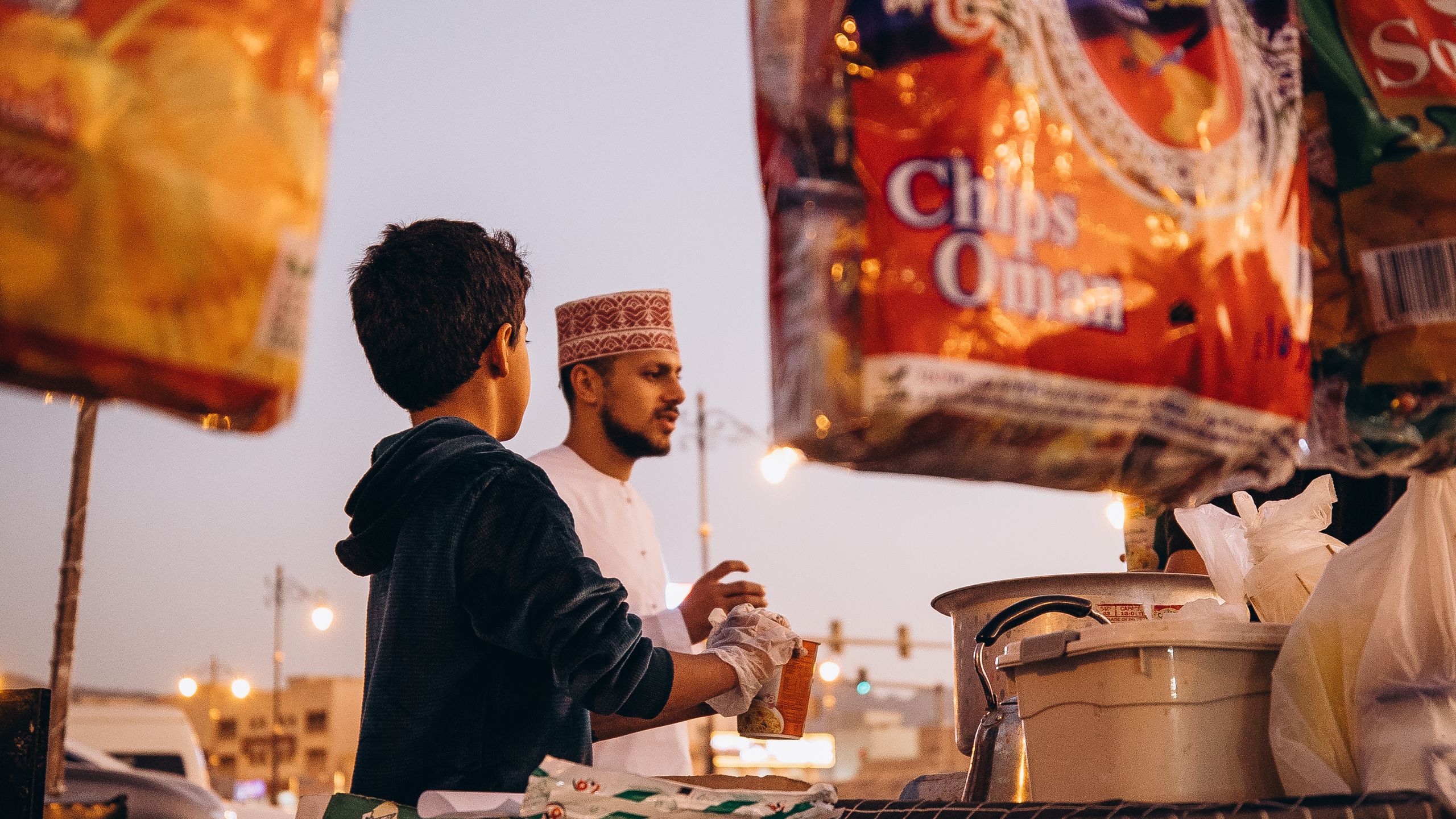
While not full restaurants, Omani souqs like Muttrah Souq are fantastic places to sample local snacks and get a feel for the fresh ingredients used in Omani cooking. You can find stalls selling fresh Luqaimat, dates, and sometimes even small portions of savory snacks. Wandering through the spice sections, inhaling the heady aromas of cardamom, frankincense, and saffron, is a culinary experience in itself. The Central Fish Market in Al Mawaleh, Muscat, is also an incredible place to see the bounty of the Omani seas, hinting at the delicious seafood dishes to be found.
Dining with Locals: The Ultimate Experience
The most authentic and unforgettable Omani food experience often happens in a local home. While this isn't something you can easily book, consider cultural tours or homestay programs that might offer this opportunity. Sharing a meal with an Omani family is a profound experience of hospitality and cultural exchange that goes far beyond just the food.
Best Time to Visit for Culinary Exploration
The cooler months, from October to April, are ideal for visiting Oman. The pleasant weather makes it perfect for enjoying outdoor dining, exploring souqs, and indulging in hearty meals without the intense summer heat. Many festivals and cultural events also take place during this period, offering more opportunities to sample traditional foods prepared for special occasions.
My Top Tips for an Unforgettable Omani Food Journey
- Be Adventurous: Don’t be afraid to try new things, even if they seem unfamiliar. You might discover a new favorite!
- Ask Locals for Recommendations: Seriously, this is key. Omani people are incredibly friendly and proud of their cuisine.
- Embrace Hand-Eating: Many traditional dishes are best enjoyed by hand (using your right hand, please!). It enhances the sensory experience.
- Hydrate with Qahwa: Don’t underestimate the refreshing power of Omani coffee.
- Pace Yourself: Portions can be generous, especially in traditional settings.
- Don't Skip the Dates and Halwa: They are an integral part of the Omani culinary identity and hospitality.
- Explore Beyond Muscat: While Muscat has excellent options, venture to places like Nizwa, Sur, or Salalah for regional specialties and different flavors. Each region has its own unique culinary twists.
Come and Taste Oman!
Omani food is so much more than just sustenance; it’s a narrative of our history, a symbol of our hospitality, and a feast for the senses. From the smoky depths of a Shuwa pit to the sweet embrace of Halwa, every dish tells a story. I hope this guide helps you navigate the incredible flavors that await you here. Prepare to have your taste buds awakened, your heart warmed by our hospitality, and your memories filled with the delicious aromas of Oman. So, pack your bags, come with an open mind and an empty stomach, and get ready to truly experience the culinary soul of my beautiful country. I can’t wait for you to discover your own favorite Omani dish!
Written by Farees
Travel writer and founder of Oman Explorer. Based in Muscat, Oman, with years of experience exploring the Sultanate's hidden gems, ancient forts, stunning wadis, and desert landscapes. Passionate about sharing authentic travel experiences and helping visitors discover the beauty of Oman.
Learn more about the authorMore Articles to Explore



Comments (0)
Sign in to comment
Create a free account or sign in to join the conversation.
No comments yet. Be the first to comment!