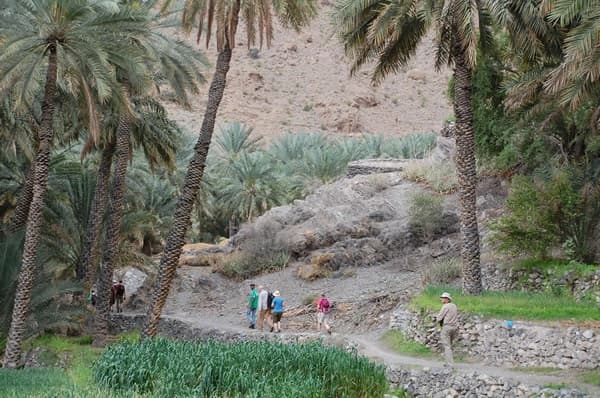
Trekking in Oman
Trekking in Oman: A Journey Through Nature’s Majesty
For those with a spirit of adventure and a love for the great outdoors, Oman stands out as one of the Arabian Peninsula’s most rewarding trekking destinations. Here, ancient mountains rise above dramatic canyons, lush wadis shimmer with secret pools, and every trail promises a blend of natural wonder and cultural discovery. Trekking in Oman is not just a physical pursuit—it’s a journey deep into the heart of the country’s landscapes, traditions, and timeless beauty.
Why Trek in Oman?
Oman’s topography is incredibly diverse, ranging from towering peaks to fertile valleys and stark, lunar-like plateaus. The country’s trails are as varied as its landscapes: some lead you through fragrant orchards and terraced farms, while others test your endurance on rugged mountain ridges or lure you into cool, sparkling wadis. One of the greatest joys of trekking here is the sense of isolation and tranquility; on many routes, you might not meet another soul, apart from friendly shepherds or villagers, for hours at a time.
Trekking in Oman also offers a unique window into the country’s culture. Many trails pass by centuries-old villages, abandoned stone houses, or ancient aflaj irrigation systems—reminders of the resilience and ingenuity of those who have lived in these mountains for generations. Along the way, it’s not uncommon to be invited in for a glass of Omani tea or to share a story with a local farmer, further enriching your journey.
Popular Trekking Destinations in Oman
1. Jebel Shams: The Mountain of the Sun
Jebel Shams, Oman’s loftiest summit, towers at just over 3,000 meters. Its name, meaning “Mountain of the Sun,” is fitting for a place where you can watch dawn flood the valleys below with golden light. The trails here are and dramatic, offering both challenge and reward in equal measure.
The most famous route is the Balcony Walk, a breathtaking path that clings to the edge of Oman’s answer to the Grand Canyon—Wadi Ghul. The trail winds along sheer cliffs, revealing dizzying views into the canyon’s depths and across to distant peaks. The hike can be nerve-wracking for those afraid of heights, but it’s perfectly safe if you stay on the marked path. Along the way, you’ll pass abandoned villages and ancient terraced gardens, their stones weathered but still standing as silent witnesses to centuries of mountain life.
For experienced trekkers, multi-day routes lead deeper into the massif, with wild camping spots offering dazzling night skies and a sense of utter remoteness.
2. Jebel Akhdar: The Green Mountain
Jebel Akhdar, or the “Green Mountain,” is a world apart from the arid landscape below. Thanks to its elevation and unique microclimate, you’ll find cool air, abundant orchards, and a patchwork of terraced farms. Trekking here is a sensory delight—especially in spring, when the famous Damask roses bloom and the air is perfumed with their scent.
Trails wind past pomegranate trees, rose gardens, and villages where the old ways are still honored. Some walks are gentle rambles suitable for families, taking you between villages like Al Ayn and Al Aqur, while others are longer, ascending rocky plateaus and craggy ridges. Wherever you venture, the views across steep valleys and lush terraces are simply unforgettable.
3. Wadi Bani Awf and the Snake Gorge
For trekkers who crave variety and a touch of adrenaline, Wadi Bani Awf is a must-visit. This wadi (valley) cuts a dramatic swath through the mountains, its walls rising steeply and its floor dotted with palm groves, crystal-clear pools, and boulders the size of cars. The centerpiece here is the Snake Gorge, an exhilarating route that involves scrambling, swimming, and sometimes abseiling through a narrow, twisting canyon.
Snake Gorge is best tackled with a local guide, especially if you’re new to canyoning, as flash floods can occur suddenly. For those who prefer dry feet, other trails in Wadi Bani Awf offer challenging ascents and spectacular vistas without the need to get wet.
4. Wadi Ghul: The Grand Canyon of Arabia
Often described as the “Grand Canyon of Arabia,” Wadi Ghul is awe-inspiring in both scale and beauty. The best way to experience it is via the Balcony Walk on Jebel Shams, but there are also deeper canyon hikes that take you into the heart of this geological wonder. The play of light and shadow on the canyon walls is unforgettable, and the silence is profound—broken only by the call of a soaring eagle or the distant sound of goat bells.
5. Wadi Tiwi and Wadi Shab: Water, Greenery, and Adventure
Closer to Oman’s eastern coastline, the wadis of Tiwi and Shab are lush oases hidden among rocky cliffs. These valleys are famous for their turquoise pools, tumbling waterfalls, and date palm groves. The trails here are less strenuous, making them perfect for day hikes.
Wadi Shab, in particular, is a favorite among both locals and visitors. The path leads through a narrow canyon, past banana and mango orchards, and eventually to a series of pools where you can swim or explore hidden caves. On weekends, the wadi is lively with families picnicking and children splashing in the water.
Wadi Tiwi is quieter, and its route winds through a string of small villages perched above the valley floor. Both wadis offer a cool respite from the heat and a chance to see Oman’s more fertile side.
6. Jebel Harim: Musandam’s Mountain Majesty
In the Musandam Peninsula, Jebel Harim offers a different kind of mountain experience. Here, trails lead you along rocky ridges with sweeping views of the sea and the region’s famous fjords. The landscape is stark yet beautiful, with fossils embedded in limestone rocks and occasional patches of greenery. You might spot herds of goats or catch glimpses of traditional stone houses clinging to the mountainsides.
7. Jebel Al Qamar: Volcanic Wonders
Near the historic city of Nizwa lies Jebel Al Qamar, known for its unusual volcanic landscapes. The blackened craters and dramatic rock formations make for memorable trekking and photography. Trails here are less traveled, offering solitude and a sense of discovery.
Types of Trekking: Something for Every Adventurer
Oman’s terrain means there’s a trek for everyone, from absolute beginners to seasoned mountaineers.
Day Hikes:
Places like Wadi Shab and Wadi Tiwi are ideal for beginners or those seeking a more leisurely pace. These trails often combine walking with swimming and are perfect for families or groups.Moderate Treks:
Jebel Akhdar’s village walks and terraced farm trails offer a perfect blend of challenge and cultural immersion. These are suitable for those with moderate fitness and a curiosity for Omani rural life.Challenging Multi-Day Hikes:
Trails on Jebel Shams or deep into remote wadis demand fitness, stamina, and experience with rough terrain. Here, you’ll be rewarded with spectacular solitude, wild camping, and a feeling of true adventure.
Practical Trip Advice for Trekkers
When to Go:
The best trekking season in Oman runs from October to April, when temperatures are mild and the skies are clear. Summer can be extremely hot, especially at lower elevations, making trekking uncomfortable or even dangerous.
Packing Essentials:
Carry plenty of water; dehydration can come on quickly in dry air.
Sunscreen, a hat, and sunglasses are crucial under the strong Arabian sun.
Bring protein-rich snacks and perhaps a packed lunch, especially for longer treks.
Sturdy, comfortable hiking boots or shoes are a must—the terrain is often rocky, uneven, and occasionally slippery.
A lightweight jacket or fleece is handy for higher altitudes, where temperatures can drop rapidly, especially after sunset.
Safety and Etiquette:
Guided treks are highly recommended for challenging routes or unfamiliar areas. Local guides know the terrain, weather patterns, and cultural sensitivities.
Always check the weather forecast and avoid trekking during the rainy season, as wadis are prone to dangerous flash floods.
Let someone know your planned route and estimated return time—mobile coverage can be patchy in remote areas.
Respect local customs: dress modestly, greet villagers warmly, and ask permission before photographing people.
Carry all your rubbish out with you and leave the trails pristine for those who follow.
Early morning starts are wise to avoid the midday heat, and they reward you with beautiful light and birdsong.
Permits, Regulations, and Local Guidelines
Most trekking routes in Oman do not require formal permits, and the country is refreshingly open to independent explorers. However, some protected areas or trails that cross private land may have restrictions or require permission. Always check locally, especially if you plan to camp overnight or enter designated nature reserves.
If in doubt, a quick conversation with a local guide, ranger, or even a village elder can clarify access and etiquette.
A Final Word: The Trekker’s Spirit in Oman
Trekking in Oman is as much about inner discovery as it is about the landscapes. The rhythm of your footsteps on ancient stone, the taste of cool spring water after a hard climb, and the quiet companionship of mountains older than memory—these are experiences that linger long after the journey is over.
You’ll return not just with photos and stories, but with a sense of connection to a land where nature’s grandeur and human endurance are written into every path. Whether you’re weaving between boulders in Wadi Shab, watching the sunset from Jebel Shams, or exchanging greetings with a shepherd high on a ridge, Oman invites you to slow down, breathe deep, and embrace adventure.
So lace up your boots, shoulder your pack, and set out—Oman’s mountains and wadis are waiting, ready to share their secrets with those willing to explore.
Written by Farees
Travel writer and founder of Oman Explorer. Based in Muscat, Oman, with years of experience exploring the Sultanate's hidden gems, ancient forts, stunning wadis, and desert landscapes. Passionate about sharing authentic travel experiences and helping visitors discover the beauty of Oman.
Learn more about the authorMore Articles to Explore



Comments (0)
Sign in to comment
Create a free account or sign in to join the conversation.
No comments yet. Be the first to comment!