Wadi Maawil
Exploring the Heart of Oman: Hajrat Al Sheikh, Afi Oasis, and Their Living History
Tucked into the embrace of Oman’s interior, the region between Hajrat Al Sheikh and Afi oasis is a treasure trove for those who yearn to step off the beaten path and into a world where culture, history, and nature weave together seamlessly. Unlike the bustling cities or high peaks of the Hajar Mountains, this area offers a slower, more contemplative rhythm—one that invites travelers to linger, explore, and connect with the land and its people.
First Glimpses: The Approach and Welcome
The journey from Muscat to Hajrat Al Sheikh is a delight in itself, promising a blend of anticipation and discovery. Just 90 to 100 kilometers from the capital, the road winds through changing terrain: from the urban hum of the city, through rolling plains dotted with acacia trees, toward the palm-fringed villages that mark the entry to Oman’s heartland. If you leave in the early morning, golden sunlight bathes the landscape, and the air is fresh with possibility.
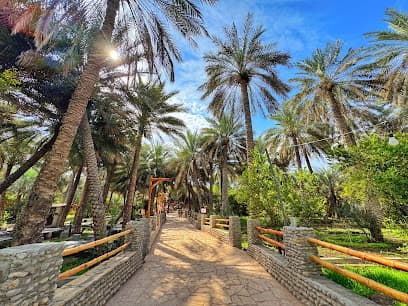
Signage for Hajrat Al Sheikh soon appears, guiding you toward the neighborhood and the celebrated tourist walkway. Here, the pace slows. Park your car—no need for four-wheel drive, as most areas are accessible by standard vehicles—and prepare to explore the rest on foot. The warm Omani sun dapples through towering date palms, and a gentle breeze carries the scent of earth and water: a promise of the oasis ahead.
The Hajrat Al Sheikh Tourist Walkway: A Stroll Through Time
At the heart of this region is the Hajrat Al Sheikh Tourist Walkway—a thoughtfully constructed 1.5-kilometer stone-paved trail that meanders through palm oases, aflaj irrigation channels, and a constellation of historic sites. Shaded by palms and lined with the gentle trickle of ancient watercourses, the walkway is a living testament to Omani ingenuity and reverence for nature.
As you begin your stroll, interpretive signs in English and Arabic provide context and stories, turning every step into an opportunity for discovery. The walkway is not just a means of getting from one landmark to another; it’s an invitation to slow down, listen to the birdsong, and appreciate the interplay of water, stone, and greenery that has sustained these communities for centuries.
Children from the nearby villages might wave as they pass, families gather beneath the palms for picnics, and elders sit in the shade, sharing stories or simply enjoying the peace. The sense of community is palpable, and visitors are welcomed as honored guests rather than outsiders.
Al Safalah Castle: Echoes of Defense and Devotion
One of the walkway’s most striking highlights is the Al Safalah Castle, a fortress recently restored to its former glory. Rising from the earth like something out of legend, the castle’s thick stone walls, imposing towers, and sturdy gates speak of a time when such structures were both sanctuary and stronghold. The castle’s strategic location provided protection for the villagers in times of conflict, but it was also a center of governance and communal life.
Step inside, and you’ll find an ancient mosque, its walls thick and cool, with massive pillars that anchor the building in both a literal and symbolic sense. The walls are adorned with hand-inscribed verses and decorative motifs, each telling a fragment of the region’s story. The quiet here is profound—broken only by the soft echo of footsteps on stone—and it’s easy to imagine the generations who have prayed, gathered, and sought shelter within these walls.
Guided tours, often led by local historians or enthusiastic young guides, bring the castle’s past to life. They share tales of legendary sheikhs, stories of resilience, and the practical details of daily life in a mountain fortress. For those interested in architecture or history, Al Safalah Castle is a window into Oman’s storied past.
Bait Al Ghasham: Noble Heritage and Elegant Hospitality
Just a short walk from the castle lies Bait Al Ghasham (Al Ghasham House), an exquisite 200-year-old noble residence that has been lovingly restored. Unlike the fortress, Bait Al Ghasham is all about elegance and domestic grace—a place where Omani craftsmanship and hospitality shine.
Pass through the carved wooden doors and you’ll find rooms furnished with antiques, embroidered textiles, and the subtle scent of rosewater. The house showcases the lifestyle of Oman’s landed families, with spacious courtyards, shaded verandas, and cool marble floors. Of particular note is the women’s spa area, which has been restored to reflect the traditional hammam experience—complete with marble tubs, mosaic tiles, and soft filtered light.
Guided tours are available, providing context on the house’s architecture, the history of its inhabitants, and the role such homes played in village society. The guides are often members of the local community, adding a personal touch to every story shared. Don’t be surprised if you’re offered coffee and dates—Omani hospitality is renowned, and a visit to Bait Al Ghasham is as much about connection as it is about history.
Al Shaykh Room & Afi Oasis: Ruins, Palms, and Perfect Picnics
Venturing further along the walkway, you’ll come upon the atmospheric remains of Al Shaykh Room and the lush Afi oasis. The ruins here—made from mud-brick, now softened and sculpted by centuries of sun and wind—are a reminder of simpler times. Crumbling walls, ancient falaj channels, and the occasional preserved doorway speak of families and communities that once flourished under the shelter of these palms.
The oasis itself is a revelation: a patchwork of green framed by clear, cool streams that snake through the shade, fed by the same aflaj system that has sustained life here for generations. The sound of running water is everywhere, mingling with the rustle of palm fronds and the distant calls of birds. It’s an idyllic spot for a picnic, whether you bring a blanket and homemade food or simply pause to enjoy fresh dates and fruit from the nearby groves.
Children often splash in the shallow channels, and the air is alive with the laughter and conversation of local families. For those seeking a moment of quiet reflection, there are plenty of secluded corners to sit and let the world drift by. The interplay of light and shadow beneath the palms makes it a photographer’s dream, especially in the soft glow of morning or late afternoon.
Ancient Neighborhoods: A Living Museum
Beyond the main landmarks, the region is a living museum of Omani architecture and community life. Scattered across the landscape are more than 15 castles, forts, and watchtowers—each with its own unique character and story. The towers of Al Mutala’a and Hujrat al Sheikh rise against the skyline, silent witnesses to centuries of history. Many of these structures are accessible via side trails, rewarding curious explorers with stunning views and a sense of discovery.
Historic mosques abound, the most notable being the Great Mosque in Al Sefala, more than 300 years old. Step inside and you’ll find sturdy columns, an ancient well, and walls that echo with prayers spoken across generations. These mosques are still in use today, a testament to the enduring faith and resilience of the local communities.
As you wander through the ancient neighborhoods—sometimes little more than clusters of mud-brick houses and narrow lanes—you’ll feel the layers of history beneath your feet. Every stone, every archway, every falaj channel tells a story of invention, adaptation, and survival.
Activities: Immersing Yourself in Heritage and Nature
The beauty of this region is that you don’t need to be an experienced adventurer to enjoy its wonders. The heritage walking loop is gentle and shaded, inviting visitors of all ages and fitness levels to meander at their own pace. Pause at signposted ruins, dip your fingers in the cool falaj streams, and linger beneath the palms. There’s no rush—this is a place that rewards curiosity and patience.
For those who prefer a more structured experience, guided tours are available at Al Safalah Castle, Bait Al Ghasham, and selected mosques. These tours provide rich context and allow visitors to ask questions, learn about local customs, and sometimes even participate in traditional activities like bread-making or weaving.
If you’re after relaxation, picnicking by the falaj at Afi oasis is a must. Bring local bread, cheese, dates, and fresh fruit, and let the gentle sounds of water and wind lull you into a state of contentment. The shade and coolness make it comfortable even in the heat of summer.
For more active visitors, casual hiking among gardens, ruins, and orchards offers a chance to stretch your legs and discover hidden corners. The area’s tree cover means that even in the hotter months, walking is pleasant, and the risk of sunburn is minimal compared to more exposed areas.
Wild camping is another option for adventurous souls. The wadi is secluded and accessible, with plenty of space to set up camp under the stars. There are no facilities, so you’ll need to be self-sufficient—bring water, food, and all necessary gear, and always check the weather forecast for rain, as flash flooding can be a real risk. In the cool of the evening, with a small campfire and the sounds of nature all around, it’s easy to feel a deep connection to the land.
Travel and Safety Tips: Respect, Preparation, and Enjoyment
To make the most of your visit, keep in mind a few practical guidelines:
Vehicle Access: Most heritage sites and the oasis are accessible with a standard 2WD car. Park near the walkway trailhead and explore the rest on foot. Only the last stretches to some sites require walking.
Facilities: There are no shops, restaurants, or toilets along the wadi or at the picnic sites, though you may find small cafes or kiosks near the main walkway. Bring ample water, snacks, sunscreen, and anything else you may need.
Timing: Plan your visit for morning or late afternoon when temperatures are cooler and the light is soft—perfect for both comfort and photography. The area is ideal for a day trip from Muscat, or as a scenic stopover en route to Nizwa.
Respect: These are living communities with active places of worship and private homes. Stick to marked paths and guided areas, avoid damaging ruins, and do not wander into private land.
Camping: If you plan to camp, be discreet, leave no trace, and avoid setting up near watercourses in case of rain. Firewood is abundant, but water is not—come prepared.
Getting There: Directions and Itinerary Ideas
Getting to Hajrat Al Sheikh and the Afi oasis is straightforward by car—just over an hour from Muscat. Take the road to Nakhal, then follow signs toward the Afi tribe areas and Hajrat Al Sheikh neighborhood. Look for clear markers indicating the start of the tourist walkway and major sites like Bait Al Ghasham.
For a rich and varied day out, consider combining your visit with nearby attractions:
Nakhal Fort: One of Oman’s best-preserved castles, with panoramic views and fascinating exhibits.
Al Thowarah Hot Spring: A relaxing spot to soak your feet or enjoy a picnic lunch.
Jabal Akhdar: For mountain adventures, head further inland to explore the famed “Green Mountain.”
Best Times to Visit: Year-Round Appeal
Thanks to the region’s abundant palm cover, the walkway and oases remain cool and shaded even in the summer months, while winter brings crisp air and brilliant blue skies. Anytime is a good time to visit, though mornings and late afternoons offer the most comfortable temperatures and the most beautiful light for exploring and photography.
Lasting Impressions: A Place of Memory, Meaning, and Beauty
What sets this region apart is not just its wealth of historical sites or natural beauty, but the way everything fits together into a coherent, living landscape. Here, ancient castles sit beside working farms, restored mansions open their doors to visitors, and the timeless flow of water in the aflaj knits together past and present.
A day spent wandering the Hajrat Al Sheikh walkway, exploring Bait Al Ghasham, relaxing at Afi oasis, and discovering the ruined towers and mosques of the surrounding villages is a day spent in the company of stories—those written in stone, whispered by water, and shared by the people who call this place home.
Whether you come for the history, the scenery, the culture, or simply the chance to step away from the rush of modern life, you’ll leave with a deeper appreciation for Oman’s heritage and a heart full of lasting memories. In this gentle, storied landscape, every step truly is a journey through time.
Written by Farees
Travel writer and founder of Oman Explorer. Based in Muscat, Oman, with years of experience exploring the Sultanate's hidden gems, ancient forts, stunning wadis, and desert landscapes. Passionate about sharing authentic travel experiences and helping visitors discover the beauty of Oman.
Learn more about the authorMore Articles to Explore



Comments (0)
Sign in to comment
Create a free account or sign in to join the conversation.
No comments yet. Be the first to comment!