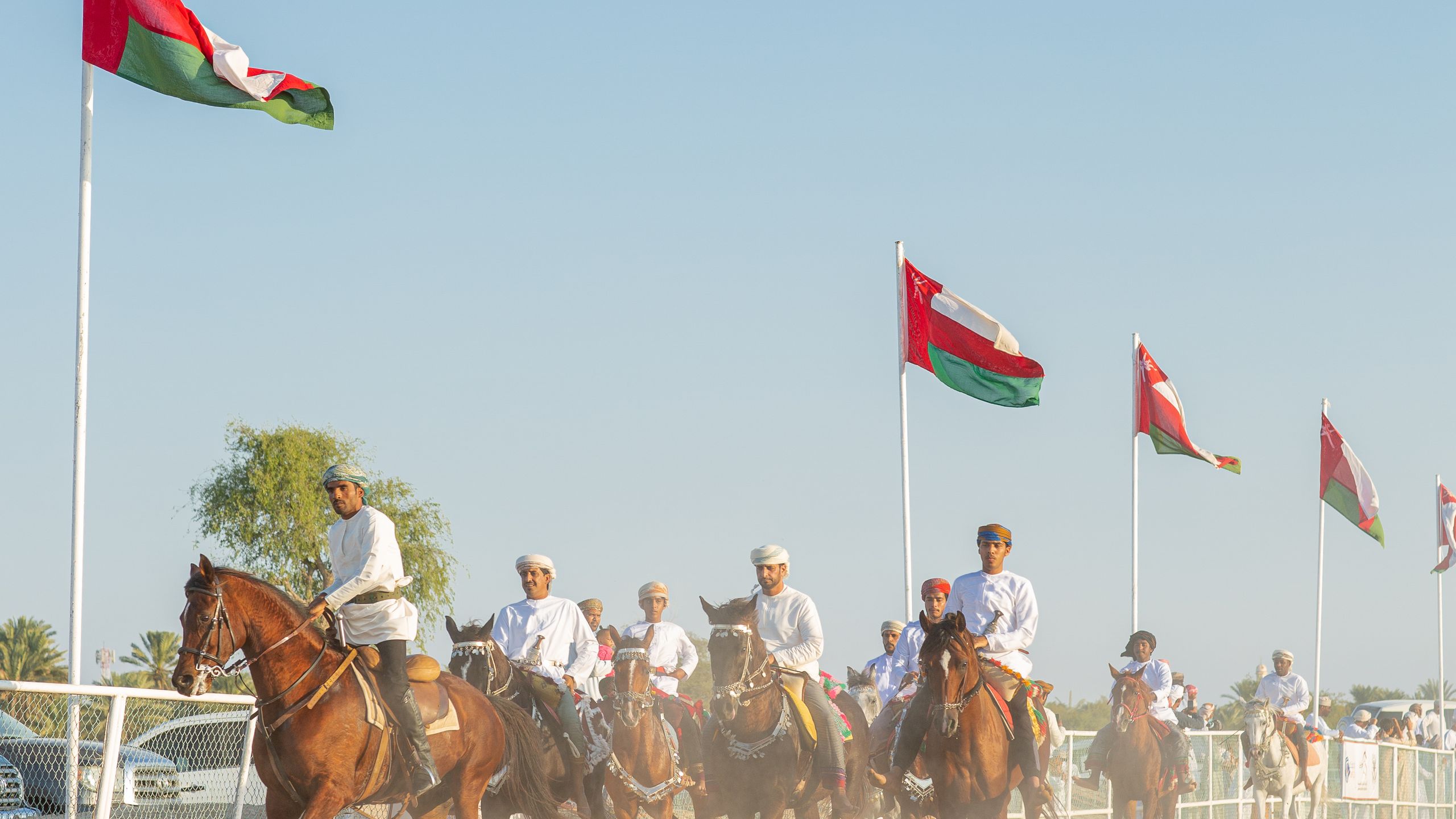
Oman Public Holidays and How to Avoid Crowds
Did you know that the dates for over half of Oman's major public holidays shift every single year, sometimes by as much as 10-11 days? This isn't just a minor calendar quirk; it's the secret sauce (or sometimes, the secret jam-packed ingredient) to understanding when Oman’s most breathtaking wadis, majestic forts, and serene beaches transform from tranquil havens into buzzing hubs of local activity. As someone who’s lived and breathed Oman for years, I’ve navigated these shifting sands of the calendar countless times, and believe me, knowing when the nation takes a collective pause can utterly redefine your travel experience.
I've seen the blissful calm of a weekday morning at Nizwa Fort, where the only sounds were the distant call to prayer and the gentle flutter of pigeon wings. And I've also witnessed the joyous, yet undeniably overwhelming, throngs descending upon Wadi Shab during a long Eid break, turning emerald pools into vibrant, but very crowded, swimming holes. My goal here isn't to tell you to avoid these vibrant times entirely – sometimes the energy is infectious! – but rather to equip you with the insider knowledge to plan a trip that aligns with *your* desired pace, whether that's quiet contemplation or lively cultural immersion. Let's dive into the Omani calendar and uncover the best times to find your slice of paradise, crowd-free.
The Shifting Sands of Oman's Calendar: A Traveler's Secret
Unlike many Western countries with fixed holiday dates, Oman's most significant public holidays are deeply intertwined with the Islamic Hijri calendar, a lunar calendar that operates independently of the Gregorian solar calendar we typically use. This means that holidays like Eid Al-Fitr or Eid Al-Adha creep forward by roughly 10 to 11 days each Gregorian year. What was a holiday in mid-June one year might be in early June the next, and late May the year after that. This unpredictability for the uninitiated is precisely why many travellers inadvertently book their dream trip smack-bang into the middle of Oman’s busiest domestic travel periods. It’s not just a day off; it's often a multi-day holiday, leading to an exodus from cities to popular tourist spots.
Key Public Holidays in Oman and Their Impact
Understanding these holidays is your first step to mastering crowd avoidance. Each has its own rhythm and impact on local travel patterns.
Eid Al-Fitr and Eid Al-Adha: Oman's Busiest Weeks
These two Eids are, without a doubt, the most significant holidays in the Islamic world and in Oman. Eid Al-Fitr marks the end of Ramadan, the holy month of fasting, and Eid Al-Adha, the Feast of Sacrifice, commemorates Abraham's willingness to sacrifice his son. Both are usually celebrated with several days of public holiday, often extending into a long weekend. For Omanis, these are prime opportunities to visit family, travel domestically, and enjoy the country's natural beauty.
During Eid Al-Fitr and Eid Al-Adha, expect popular destinations like Wadi Shab, Wadi Bani Khalid, Jebel Akhdar, and the beaches around Muscat and Sur to be absolutely bustling. Accommodation prices can surge by 20-40% and availability plummets, often requiring bookings months in advance. Traffic on major routes, especially the coastal highway towards Sur and the mountain roads to Jebel Akhdar and Jebel Shams, can be surprisingly heavy. I once made the mistake of trying to visit Wadi Shab on the second day of Eid Al-Adha. The parking lot was overflowing, the path was a single file line of joyful families, and the main pools were a lively mosaic of swimmers. While the atmosphere was undeniably festive, finding a quiet corner for reflection was impossible. If solitude is your aim, mark these Eid dates firmly on your 'avoid' calendar.
National Day (November 18th): A Nation Celebrates
Unlike the lunar-based Eids, Oman's National Day is a fixed Gregorian date: November 18th. This day commemorates the birthday of Sultan Qaboos bin Said Al Said, who initiated Oman's modern renaissance, and often includes the following day as a public holiday, creating a long weekend. While not religious, it's a deeply patriotic celebration. Muscat truly comes alive, adorned with Omani flags, lights, and portraits of the Sultan. You'll see car parades, fireworks, and public gatherings.
While the atmosphere in Muscat is incredible – I adore seeing the pride and joy on people's faces – popular spots within and around the capital, like the Sultan Qaboos Grand Mosque (which might have altered visiting hours for non-Muslims), the Royal Opera House Muscat, and the Corniche in Muttrah, will be very busy. Hotels in Muscat tend to fill up quickly with both international and domestic tourists eager to witness the festivities. If you plan to be in Oman around this time, embrace the celebratory spirit in Muscat, but perhaps plan your wadi and mountain excursions for the week *before* or *after* the 18th to avoid peak crowds elsewhere.
Other Islamic Holidays: Quiet Moments or Local Getaways?
Several other Islamic holidays dot the Omani calendar, including Isra' and Mi'raj (the Prophet's Ascension), the Prophet's Birthday (Mawlid al-Nabi), and Hijri New Year (Islamic New Year). These are typically observed with a single day off, sometimes creating a long weekend if they fall on a Thursday or Sunday. While they don't generate the same level of domestic travel frenzy as the Eids, they can still lead to increased local visitation at popular spots, especially those within easy driving distance of major cities.
For instance, if Isra' and Mi'raj falls on a Thursday, many Omanis will use the long weekend to head to Salalah for cooler weather (if it's summer) or to coastal resorts. My advice? Always check the Omani calendar for these dates, and if one creates a long weekend during your visit, anticipate slightly more activity at popular sites, but nothing on the scale of Eid.
Gregorian New Year (January 1st): A Western Calendar Pause
January 1st is also a public holiday in Oman. While it’s a day off for everyone, it doesn't typically trigger the same mass domestic travel movements as the Islamic holidays. It often coincides with the peak tourist season for international visitors, so while locals might be enjoying a day off, the crowds you encounter are more likely to be fellow international travellers, rather than a surge of domestic tourists.
Navigating the Crowds: My Top Tips for a Tranquil Trip
Now that you know *when* the crowds gather, let's talk about *how* to avoid them and ensure your Omani adventure is as serene as you envision.
Timing is Everything: The Best Months to Visit Oman
The sweet spot for weather in Oman is generally from October to April, offering pleasant temperatures for exploring. However, within this period, there are nuances for crowd avoidance:
- October to mid-November: Excellent weather, and generally less crowded than the peak winter months, *unless* National Day (Nov 18th) falls within your window. This is a beautiful time to visit before the peak international tourist rush.
- Late January to February: Another fantastic window. The Christmas/New Year international rush has subsided, and the Eids are usually still some months away (depending on the Gregorian year). The air is crisp, and the landscapes are often at their greenest after any winter rains.
- March to April: The weather starts to warm up, but it's still very pleasant, especially in the mountains. This shoulder season can offer fewer crowds as the international tourist season winds down, but keep an eye on potential early Eid dates.
My personal pick for avoiding crowds while still enjoying superb weather? Late January or early March. The light is incredible for photography, and the popular sites feel much more expansive.
Strategic Planning: Booking and Itinerary
This is where your inner strategist needs to shine. If you absolutely *must* travel during a known holiday period, plan meticulously:
- Book well in advance: Accommodation, rental cars (especially 4x4s), and popular tours can be fully booked months ahead, and prices will be higher. I once helped a friend find a hotel during National Day a week out – it was a frantic search and cost him double what it would have normally.
- Visit popular sites early: This is a golden rule. The Sultan Qaboos Grand Mosque, for non-Muslim visitors, is open from 8 AM to 11 AM, Saturday to Thursday. Get there right at 8 AM. Similarly, major forts like Nizwa and Jabreen typically open at 9 AM. Arriving as the gates open means you'll have a window of relative calm before tour buses arrive and local families start their day trips.
- Consider less-trafficked alternatives: Instead of Wadi Shab, try Wadi Tiwi or explore the quieter sections of Wadi Bani Khalid. Instead of the main viewpoint at Jebel Shams, venture on a lesser-known hiking trail. I’ll delve into some of my favourite secluded spots shortly.
Accommodation Hacks: Where to Stay (and When)
During peak holiday periods, popular hotels in Muscat, Nizwa, and the mountain resorts are the first to fill up. To beat the rush or find better value:
- Look slightly off the beaten path: Instead of staying directly in Nizwa, consider a guesthouse in a nearby village like Birkat Al Mawz or Al Hamra. These offer a more authentic experience anyway, and might have better availability.
- Explore boutique guesthouses: Smaller, family-run guesthouses (often called *bait* or 'house' in Arabic) or farm stays can offer a charming alternative to larger hotels and might be less impacted by the mass bookings of tour groups or large families during holidays.
- Camping: Oman is incredibly welcoming to wild camping. If you have a 4x4 and camping gear, you can escape the crowds entirely by finding your own patch of sand or mountain plateau. Just remember to leave no trace.
A typical mid-range hotel room in Muscat might be 30-50 OMR on a regular weekday, but during Eid, that could easily jump to 60-90 OMR, if you can even find a vacancy.
Transportation Tactics: Avoiding Road Rage
While Oman's roads are generally excellent, holiday periods can test your patience:
- Rental Cars: A 4x4 is highly recommended for exploring wadis and mountains. Expect to pay around 30-50 OMR per day for a decent 4x4. Book it well in advance, especially for holidays. Petrol is incredibly affordable, typically around 0.240 OMR per litre, so road trips are economical.
- Avoid peak travel times: If you're driving between cities or to popular attractions on a Friday morning or the start of a long holiday, expect delays. Try to do your longer drives on a weekday or very early in the morning on a weekend/holiday.
- Hire a driver: For specific excursions, especially if you're not comfortable driving off-road or want to avoid parking hassles, consider hiring a local driver for the day. This can cost anywhere from 50-80 OMR for a full day, depending on the distance and type of vehicle. They know the back roads and the best times to visit.
- Ride-sharing: In Muscat, apps like Otaxi and Careem are readily available and can be a good option for getting around the city, especially during crowded periods when parking is a nightmare.
Embracing the Quiet: My Favorite Secluded Spots
Part of the joy of exploring Oman is discovering places that feel untouched. Here are some of my personal recommendations for finding solitude, even when others are out and about.
Beyond the Famous Wadis: Discovering Hidden Gems
Everyone knows Wadi Shab and Wadi Bani Khalid – and for good reason, they are stunning. But Oman has so many more wadis waiting to be explored, often with far fewer people.
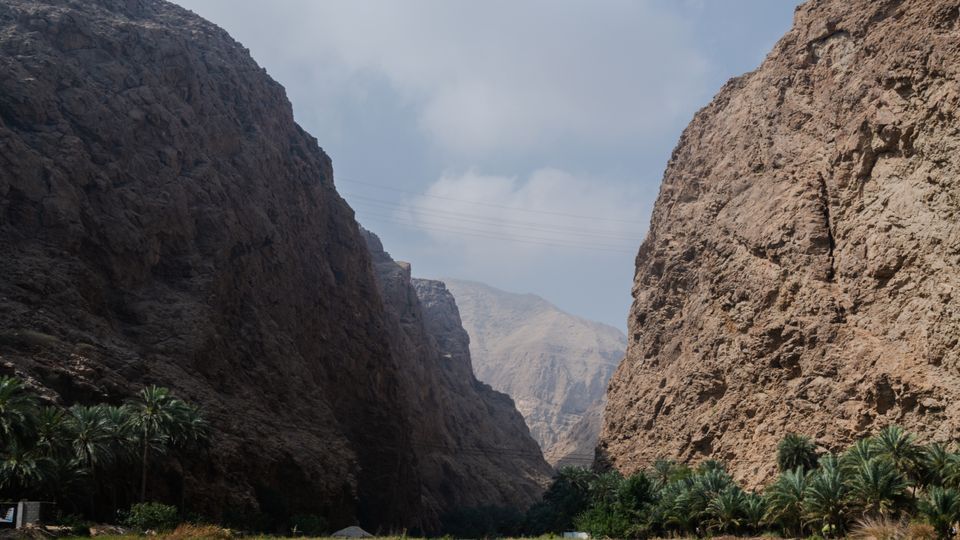
- Wadi Tiwi: Just a little further past Wadi Shab on the coastal road towards Sur, Wadi Tiwi is a series of emerald pools winding through a deep canyon, dotted with traditional villages and lush date palms. The drive itself is an adventure (a 4x4 is essential), and while the main pools can see some local visitors, it's generally far quieter than its famous neighbour. The aroma of wild herbs mixes with the fresh scent of water as you hike deeper, often accompanied only by the chirping of birds.
- Wadi Hawer (Snake Canyon): For the adventurous, this wadi in the Western Hajar mountains near Balad Sayt offers an exhilarating canyoning experience. It's not for the faint of heart and often requires a guide, but the rewards are incredible: towering cliffs, crystal-clear pools, and absolute solitude. You'll hear nothing but the rush of water and your own breath as you navigate its ancient rock formations.
- Upper reaches of Wadi Bani Khalid: While the main pools of Wadi Bani Khalid are popular, if you drive further up the wadi bed (again, 4x4 needed) and are prepared for some hiking, you can find incredibly peaceful and pristine sections of the wadi that most tourists never reach. The air here is often cooler, carrying the faint scent of desert flora.
Coastal Retreats: Empty Beaches and Serene Shores
Oman boasts thousands of kilometres of coastline, and away from the main cities, you can find truly deserted stretches of beach.
- Ras Madrakah: Far south of Muscat, near Duqm, this rugged stretch of coastline is known for its dramatic cliffs, pristine white sand beaches, and often, incredible surf. It's a long drive (around 600 km from Muscat), but if you're looking to truly get away from it all and perhaps wild camp under a blanket of stars, this is your spot. The only sounds you'll hear are the crashing waves and the occasional cry of a seabird.
- The coast near Al Ashkhara: South of Sur, before you reach the more developed areas, you’ll find endless stretches of golden sand, often completely empty. This is a prime spot for turtle watching (in season) and just enjoying the vastness of the Arabian Sea. The salty air and endless horizon provide instant tranquility.
- Masirah Island: A ferry ride from Shannah, Masirah is a windsurfer's paradise but also offers incredible solitude. The interior is largely undeveloped, and you can drive for kilometres without seeing another soul, finding your own private beach cove. The journey itself feels like an escape.
Mountain Escapes: Higher Altitudes, Fewer Faces
While Jebel Akhdar and Jebel Shams draw crowds, there are other mountain areas offering stunning views and quiet trails.
- Eastern Hajar Mountains: Beyond the famous Jebel Akhdar, the Eastern Hajar range has numerous villages, ancient terraces, and hiking trails that see far less traffic. Places like Wadi Bani Ghafir or the areas around Fanja offer challenging drives and rewarding views without the crowds. The air here is thin and crisp, carrying the scent of juniper and wild thyme.
- Remote Jebel Shams viewpoints: While the 'Grand Canyon of Arabia' viewpoint at Jebel Shams is rightly famous, explore some of the lesser-known trails or drive to slightly different vantage points. The views are equally spectacular, and you might find yourself sharing the vastness with only a few local shepherds.
A Local's Perspective: When the Crowds Add Charm (Sometimes!)
It's worth noting that while I've focused on avoiding crowds, there are indeed times when the bustling energy of Omani public holidays adds an undeniable charm to the experience. National Day in Muscat is one such occasion. The city's decorations, the collective joy, the impromptu parades of cars draped in flags – it's a unique insight into Omani patriotism and community spirit. Similarly, visiting a local market (souq) during the days leading up to Eid can be a sensory explosion, with families buying new clothes, spices, and gifts. The aroma of frankincense and oud hangs heavy in the air, mingling with the excited chatter of children.
My advice here is to decide what kind of traveler you are. If you’re seeking a deeply cultural, vibrant, and social experience, then leaning into some of these holiday periods, especially in urban centers, can be incredibly rewarding. Just be prepared for the logistical challenges!
Essential Practicalities: Prices, Hours, and Local Etiquette
To round off your planning, here are some crucial practical details.
Costs to Keep in Mind
- Fort Entry Fees: Major forts like Nizwa, Jabreen, or Bahla (a UNESCO site) typically charge an entry fee of around 5 OMR for adults. Children are usually 1 OMR.
- Food: A delicious local meal at a traditional Omani restaurant (think Shuwa or Majboos) can cost anywhere from 3-8 OMR per person. More upscale restaurants or international cuisine will, of course, be higher. A coffee is usually 1-2 OMR.
- Accommodation: As mentioned, prices fluctuate wildly. Budget guesthouses can be found for 20-30 OMR/night, while mid-range hotels are 40-70 OMR, and luxury resorts can be 100 OMR+.
- 4x4 Rental: Expect 30-50 OMR per day for a standard 4x4 (e.g., Mitsubishi Pajero or Toyota Fortuner).
- Petrol: Around 0.240 OMR per litre, making long drives very affordable.
Navigating Opening Hours
- Sultan Qaboos Grand Mosque: For non-Muslim visitors, 8 AM - 11 AM, Saturday to Thursday. Always check for holiday changes.
- Forts and Museums: Generally open from 9 AM to 4 PM, Saturday to Thursday. Some might have shorter hours on Fridays or be closed on certain public holidays. Always double-check specific opening times online or with your hotel.
- Malls and Supermarkets: Typically open 10 AM - 10 PM (or later), even on holidays, but can be extremely busy.
- Government Offices/Banks: Expect closures during all public holidays.
A Note on Local Etiquette
Oman is a conservative and welcoming country. Dressing respectfully is always appreciated, especially when visiting religious sites or during public holidays. For women, covering shoulders and knees is advisable. During the month of Ramadan, it is particularly important to be mindful of those who are fasting: avoid eating, drinking, or smoking in public spaces during daylight hours. This small act of respect goes a long way in fostering positive interactions with locals.
My Personal Recommendation for Your Trip
If you're truly seeking that tranquil, authentic Omani experience with minimal crowds, my strongest recommendation would be to plan your trip for late January through February, or the first half of March. This window typically avoids both the intense international holiday rush and the major shifting Islamic holidays, while offering absolutely sublime weather. You'll find the wadis less populated, the forts more contemplative, and the roads clearer, allowing you to truly immerse yourself in the natural beauty and rich culture of this incredible country.
Your Serene Omani Adventure Awaits
Oman is a land of breathtaking contrasts: ancient forts guarding verdant oases, endless desert dunes meeting the azure sea, and mountains that touch the clouds. While the country pulses with vibrant life during its public holidays, with a little strategic planning and insider knowledge, you can easily find moments of profound peace and solitude. Imagine yourself hiking through a quiet wadi, the only sound the gentle rush of water; watching a sunset over an empty beach, the sky painted in fiery hues; or exploring a millennia-old fort, feeling the weight of history in the cool morning air. This is the Oman I know and love, and it’s waiting for you. Come discover its serene magic, on your own terms.
Written by Farees
Travel writer and founder of Oman Explorer. Based in Muscat, Oman, with years of experience exploring the Sultanate's hidden gems, ancient forts, stunning wadis, and desert landscapes. Passionate about sharing authentic travel experiences and helping visitors discover the beauty of Oman.
Learn more about the authorMore Articles to Explore


Comments (0)
Sign in to comment
Create a free account or sign in to join the conversation.
No comments yet. Be the first to comment!