
Oman's National Parks: A Local's Nature Guide
What if I told you that beyond Oman’s bustling souqs and majestic forts, there lies a wild, untamed heart beating with ancient rhythms and breathtaking beauty? A land where emerald wadis carve through towering canyons, where endangered turtles nest under starlit skies, and where rare leopards roam misty mountains?
As a local who has spent countless hours exploring every nook and cranny of this incredible country, I’ve often found my deepest connections to Oman not in its cities, but in its protected natural spaces. These national parks and nature reserves are more than just pretty landscapes; they are vital sanctuaries, preserving Oman's unique biodiversity and geological wonders for generations to come. They are places where you can truly disconnect, breathe deeply, and feel the raw, authentic pulse of the land.
Join me as I guide you through some of Oman’s most spectacular national parks and protected nature reserves. I’ll share not just the facts, but the feelings, the scents, the sounds, and the invaluable local tips that will transform your visit from a mere sightseeing trip into an unforgettable journey of discovery. Think of me as your friend, helping you plan an adventure into Oman’s wild heart.
Why Oman's Nature Reserves are a Must-Visit
Oman is a land of incredible contrasts, from arid deserts to lush oases, from rugged mountains to pristine coastlines. This diverse topography has fostered an equally diverse array of flora and fauna, much of which is unique to the Arabian Peninsula. The establishment of national parks and nature reserves is a testament to Oman's commitment to protecting these precious ecosystems.
These protected areas offer a chance to witness wildlife in its natural habitat – think Arabian gazelles gracefully leaping across plains, vibrant coral reefs teeming with marine life, and even the elusive Arabian leopard in the remote mountains of Dhofar. They also provide crucial habitats for migratory birds and sea turtles, making Oman a significant player in global conservation efforts. For you, the traveler, it's an opportunity to connect with nature on a profound level, far removed from the everyday.
The Jewels of Oman: Our Premier Protected Areas
Daymaniyat Islands Nature Reserve: Oman's Underwater Wonderland
Imagine crystal-clear turquoise waters, vibrant coral gardens, and schools of colourful fish darting around you. That’s the Daymaniyat Islands Nature Reserve for you – a true paradise for snorkelers and divers, located just off the coast of Muscat.
This archipelago of nine small, uninhabited islands is a protected marine reserve, renowned for its pristine coral reefs and rich biodiversity. I’ve lost count of the times I’ve slipped into these warm waters, and each time, it feels like entering a different world. The silence underwater, broken only by the gentle sound of my own breathing, is incredibly meditative.
- What to see and do: Snorkeling and diving are the main attractions. You’ll encounter green turtles, parrotfish, moray eels, and if you’re lucky, even whale sharks (especially between October and November). The coral formations here are spectacular – a kaleidoscope of colours and shapes.
- Best months to visit: October to April offers the most comfortable water temperatures and clearer visibility.
- Getting there: Access is strictly controlled to protect the delicate ecosystem. You must go with a licensed tour operator from Muscat or Al Mouj Marina. Most tours include snorkeling gear, refreshments, and a guide.
- Permits and prices: A permit from the Ministry of Environment and Climate Affairs is required for entry to the reserve, which your tour operator will arrange. The cost for a day trip, including permit, typically ranges from OMR 30-50 per person, depending on the operator and whether it includes diving or just snorkeling.
- Local tip: Always choose an eco-friendly tour operator who prioritizes responsible tourism practices. Do NOT touch the coral or marine life, and ensure you take all your rubbish back with you.
- My personal anecdote: One crisp October morning, while diving near June Island, a majestic whale shark glided past me, so close I could almost feel the gentle current from its tail. It was an awe-inspiring moment, a silent dance with one of the ocean's gentle giants, and it perfectly encapsulates the magic of Daymaniyat.
Ras Al Jinz Turtle Reserve: Witnessing Ancient Rituals
Further south, on Oman’s easternmost point, lies Ras Al Jinz, a globally significant nesting site for the endangered green turtle (Chelonia mydas). This reserve offers a truly humbling experience: witnessing these ancient creatures emerge from the Arabian Sea to lay their eggs, or watching tiny hatchlings make their desperate dash for the ocean.
The air here, especially at night, is filled with the scent of the sea and a palpable sense of anticipation. It's a quiet, respectful atmosphere, as visitors are guided to observe this incredible natural phenomenon without disturbing the turtles.
- What to see and do: The main activity is the guided turtle viewing tour. There are two tours daily: a pre-dawn tour (around 4:00 AM) and a night tour (around 9:00 PM). The pre-dawn tour often offers the chance to see both nesting turtles and hatchlings, with the added beauty of a sunrise over the ocean.
- Best months to visit: While turtles nest year-round, the peak season is from May to September, when thousands of turtles arrive. However, you have a good chance of sightings throughout the year.
- Accommodation and bookings: You must book your tour slot in advance, especially during peak season, as capacity is limited. The Ras Al Jinz Turtle Reserve Guest House is the only accommodation directly within the reserve, offering comfortable rooms and convenient access to the tours.
- Prices: Entry for the guided tour is typically OMR 7 for adults and OMR 3 for children. Overnight stays at the guest house vary but generally start from OMR 40-60 per night for a double room.
- Local tip: Dress warmly for the night tour, as it can get quite cool by the coast. Be absolutely silent, follow your guide’s instructions, and never use flash photography. The turtles are sensitive to light and noise. I always recommend the pre-dawn tour; seeing the sun rise over the ocean after witnessing the miracle of life is truly special.
Al Hajar Mountains Protected Area (Jabal Akhdar and Jabal Shams): Oman's Grand Canyon
Dominating the northern landscape, the Al Hajar Mountains are Oman’s backbone, offering dramatic vistas, cool climates, and a rich cultural heritage. Within this vast range, Jabal Akhdar (the Green Mountain) and Jabal Shams (the Sun Mountain, home to Oman's highest peak) are jewels in the crown, forming part of a larger protected area.
The drive up to Jabal Akhdar is a marvel in itself, with terraced farms clinging to steep slopes, cultivating roses, pomegranates, and walnuts. The air here is noticeably cooler, often carrying the sweet scent of juniper or, during spring, the delicate fragrance of damask roses.
- What to see and do:
- Jabal Akhdar: Explore ancient villages like Al Aqur, Saiq, and Wadi Bani Habib. Hike along the famous 'Wadi Trails' (e.g., the Al Aqur Village Trail) which lead through agricultural terraces. Visit the rose water distilleries in spring (March-April). Enjoy stargazing – the clear mountain air offers incredible views of the Milky Way.
- Jabal Shams: Trek to the 'Grand Canyon of Arabia' (Wadi Ghul and Wadi Nakhr). The views from the rim are absolutely breathtaking, plunging thousands of feet into the canyon below. For experienced hikers, the Balcony Walk offers a thrilling path along the canyon edge.
- Best months to visit: October to April for pleasant hiking temperatures. March-April for rose blooming season on Jabal Akhdar.
- Getting there: A 4x4 vehicle is mandatory for driving up to both Jabal Akhdar and Jabal Shams due to the steep gradients. There’s a police checkpoint at the base of Jabal Akhdar to enforce this. The drive from Muscat to Jabal Akhdar is approximately 2 hours (150 km), and to Jabal Shams about 2.5-3 hours (240 km).
- Prices: There are no entry fees for the mountains themselves, but some resorts or specific activities might have charges. Guided hikes can range from OMR 20-50 depending on duration and group size.
- Local tip: For Jabal Akhdar, visit during March or April to witness the rose harvest and the fascinating process of rose water distillation. For Jabal Shams, pack layers; while the sun can be intense, the wind can be chilly, especially at the canyon rim. Always carry plenty of water and snacks. I remember one chilly evening on Jabal Akhdar, sitting outside my guesthouse, sipping Omani coffee and watching the stars explode across the inky sky – an unforgettable moment of peace.
Al Saleel National Park: Sanctuary for the Arabian Gazelle
Located in the Wilayat of Al Kamil Wal Wafi in the Sharqiyah region, Al Saleel National Park is Oman's only national park primarily dedicated to terrestrial wildlife. Established to protect the rare Arabian gazelle, it’s a haven of acacia trees and diverse desert fauna.
When I visit Al Saleel, I feel a sense of quiet wilderness. The landscape might seem sparse to some, but it holds a subtle beauty and a surprising amount of life for those who look closely. The rustle of dry leaves underfoot, the distant call of a bird – it's a symphony of the desert.
- What to see and do: The primary goal is wildlife spotting. Keep an eye out for Arabian gazelles, wild cats (like the Arabian wildcat), red foxes, and various bird species. It's an excellent spot for photography and experiencing the more subtle beauty of the Omani desert ecosystem.
- Best months to visit: October to March offers cooler temperatures, making wildlife viewing more comfortable.
- Getting there: Al Saleel is about 200 km from Muscat, roughly a 2-hour drive. A 4x4 is recommended, especially if you plan to explore off the main tracks within the park.
- Prices: There are currently no official entry fees for Al Saleel National Park.
- Local tip: Bring good binoculars! The gazelles can be shy, and spotting them requires patience and a keen eye. Go early in the morning or late in the afternoon when animals are most active. Remember, this is their home, so observe from a distance and avoid disturbing them.
Jabal Samhan Nature Reserve: Home of the Arabian Leopard
Venturing down to the southern Dhofar region, you'll find the majestic Jabal Samhan Nature Reserve. This expansive reserve is critical for biodiversity, most famously serving as one of the last remaining strongholds for the critically endangered Arabian leopard. It’s a rugged, dramatic landscape, especially during the Khareef (monsoon) season.
During Khareef, the mountains transform from arid brown to a vibrant, misty green. The air becomes heavy with moisture and the earthy scent of damp soil and frankincense. It's a truly magical transformation that you have to see to believe.
- What to see and do: Enjoy the breathtaking panoramic views of the Arabian Sea and the wadis cutting through the mountains. During Khareef (June-September), the landscape is lush and misty, creating a surreal atmosphere. While spotting an Arabian leopard is extremely rare (they are incredibly elusive), the reserve is home to other wildlife like Arabian gazelles, hyenas, and various bird species. It’s also a great place to see ancient frankincense trees.
- Best months to visit: Khareef season (June to September) for the lush greenery and cooler temperatures. Outside Khareef, it’s still beautiful but drier.
- Getting there: Jabal Samhan is located in the Dhofar Governorate, east of Salalah. A 4x4 is essential, especially during Khareef, as roads can be slippery and visibility low. The drive from Salalah takes about 1.5-2 hours.
- Prices: No official entry fees currently.
- Local tip: If visiting during Khareef, be prepared for fog and mist, which can significantly reduce visibility. Drive carefully. Even if you don't spot a leopard, the sheer grandeur of the landscape and the unique ecosystem are rewards in themselves. I once spent a morning here, just listening to the sound of the wind carrying the scent of frankincense – a deep, almost spiritual experience.
Wadi Sareen Protected Area: Rugged Beauty and Wildlife Potential
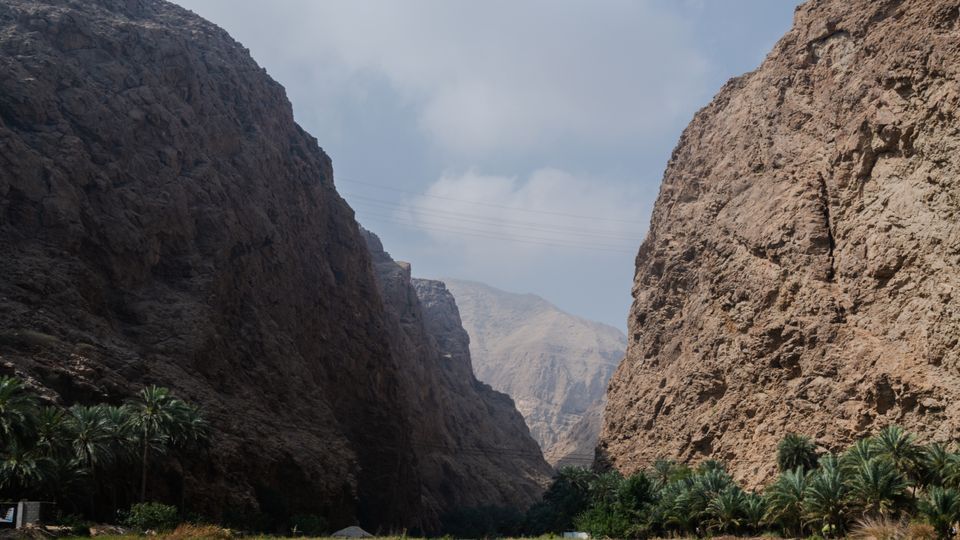
Nestled in the Eastern Hajar Mountains, the Wadi Sareen Protected Area is a lesser-known gem, offering a truly off-the-beaten-path adventure. This rugged reserve is characterized by deep wadis, dramatic rock formations, and is known for its population of Arabian tahr (a type of wild goat) and various bird species.
Exploring Wadi Sareen feels like stepping back in time. The silence is profound, broken only by the chirping of birds or the scuttle of a lizard. It’s a place where you truly feel immersed in the raw, untouched beauty of Oman.
- What to see and do: Hiking and exploring the wadis. Keep an eye out for Arabian tahr, which are surprisingly agile on the steep rocky slopes. Birdwatching is also rewarding. The geological formations here are fascinating for anyone interested in geology.
- Best months to visit: October to April to avoid the intense summer heat.
- Getting there: Wadi Sareen is located approximately 100 km south of Muscat. A robust 4x4 is absolutely essential, and some parts of the track require experienced off-road driving. It’s advisable to go with a local guide who knows the terrain.
- Prices: No specific entry fees.
- Local tip: This is not a place for casual visitors. Come prepared with plenty of water, sturdy hiking boots, and a good sense of direction (or a reliable guide). Respect the wilderness and leave no trace. The challenge of reaching and exploring Wadi Sareen is part of its allure; it truly feels like an expedition.
Planning Your Visit: Essential Tips for Oman's Reserves
Best Time to Visit Oman's Nature Reserves
Generally, the cooler months from October to April are ideal for visiting most of Oman’s national parks and reserves, especially those involving hiking or outdoor activities. The temperatures are pleasant, and the skies are usually clear.
However, the Dhofar region, particularly Jabal Samhan, comes alive during the Khareef (monsoon) season from June to September. While the rest of Oman experiences scorching summer heat, Dhofar transforms into a lush, misty wonderland – a unique experience not to be missed.
Permits and Regulations
Always check if permits are required for specific activities or areas. For instance, the Daymaniyat Islands require a permit arranged by tour operators. While most mountain areas don’t require a permit for general access, certain restricted zones or specialized activities might. It's always best to check with the Ministry of Environment and Climate Affairs or reputable tour operators.
What to Pack
- Sturdy hiking shoes: Essential for rocky terrain and wadi walks.
- Light, breathable clothing: Long sleeves and trousers are recommended for sun protection and cultural respect.
- Sun protection: Hat, sunglasses, and high-SPF sunscreen are crucial.
- Plenty of water and snacks: Especially in remote areas where facilities are non-existent.
- Camera and binoculars: For capturing memories and spotting wildlife.
- First-aid kit: For minor scrapes and emergencies.
- Trash bags: To ensure you leave no trace behind.
Respecting the Environment and Local Culture
When visiting these pristine natural areas, remember you are a guest. Adhere to the principles of 'Leave No Trace':
- Take all your rubbish with you.
- Do not disturb wildlife or remove any natural elements (rocks, plants, shells).
- Stay on marked trails where applicable.
- Dress modestly, especially when passing through local villages, out of respect for Omani culture.
- Ask for permission before photographing people.
Getting Around
For many of Oman's national parks and reserves, a 4x4 vehicle is not just recommended, but often essential. Areas like Jabal Akhdar, Jabal Shams, Jabal Samhan, and Wadi Sareen have roads that are simply not suitable for 2WD vehicles. If you're not comfortable driving off-road, consider hiring a local guide or joining a guided tour. Not only will they navigate the terrain safely, but they'll also share invaluable insights into the local environment and culture.
Your Omani Wilderness Awaits
From the vibrant coral reefs of Daymaniyat to the majestic peaks of the Hajar Mountains, and the quiet plains of Al Saleel, Oman’s national parks and protected nature reserves offer an unparalleled opportunity to connect with nature in its purest form. These are not just destinations; they are experiences that will stir your soul, challenge your perceptions, and leave you with a profound appreciation for the natural world.
So, pack your bags, prepare your sense of adventure, and come discover the raw, untamed beauty that awaits you in the Sultanate of Oman. Trust me, these wild places will capture your heart, just as they have captured mine, and leave you with memories that will last a lifetime. I can't wait for you to experience it for yourself!
Written by Farees
Travel writer and founder of Oman Explorer. Based in Muscat, Oman, with years of experience exploring the Sultanate's hidden gems, ancient forts, stunning wadis, and desert landscapes. Passionate about sharing authentic travel experiences and helping visitors discover the beauty of Oman.
Learn more about the authorMore Articles to Explore


Comments (0)
Sign in to comment
Create a free account or sign in to join the conversation.
No comments yet. Be the first to comment!