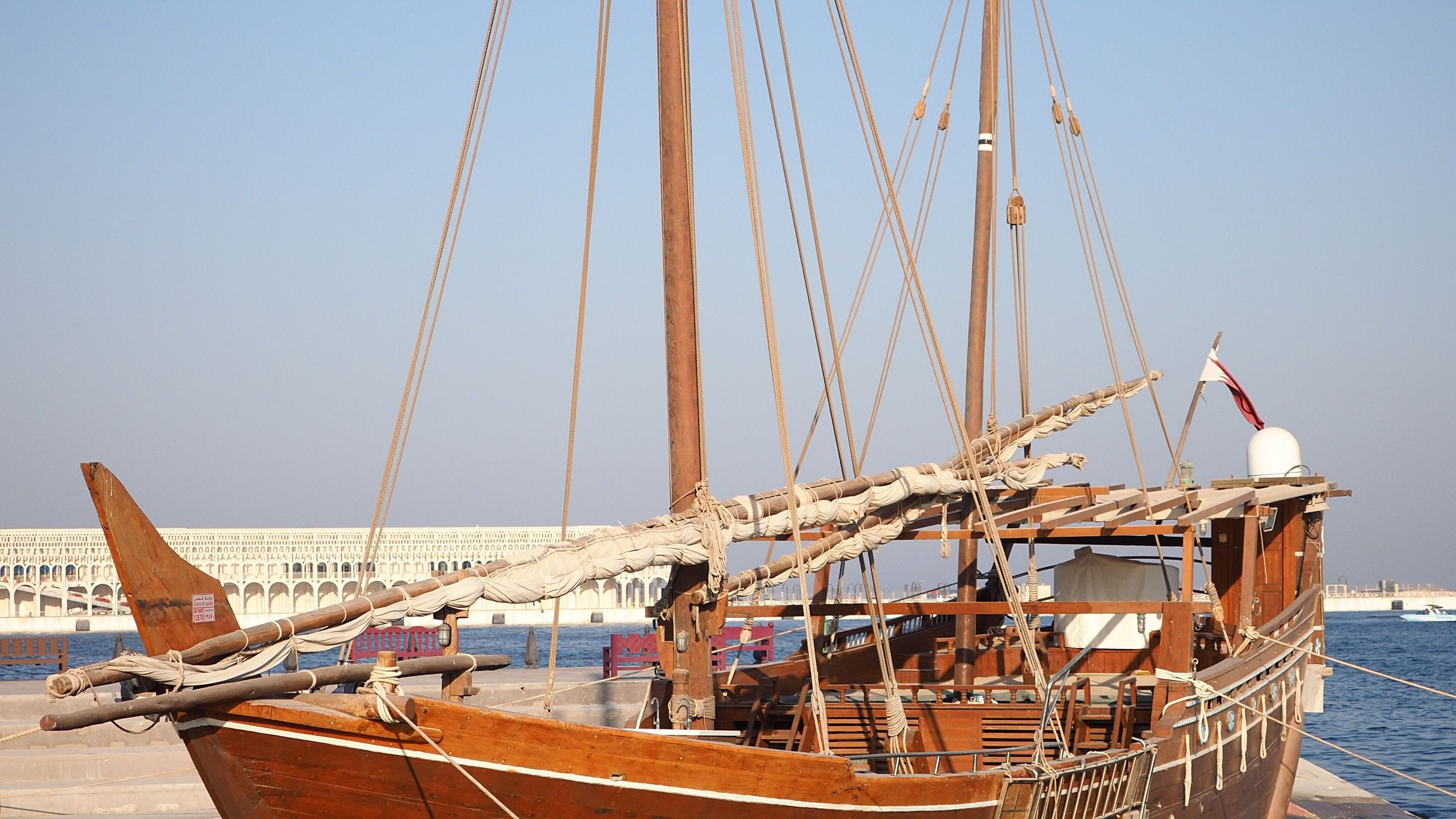
Oman's Dhow: A Timeless Sailing Legacy and History
The sun dips below the horizon, painting the sky in fiery oranges, soft purples, and deep blues that reflect like liquid jewels on the calm waters of the Gulf of Oman. A gentle breeze, carrying the faint scent of salt and oud from the distant shore, rustles the lateen sails above us. The rhythmic creak of aged teak wood, a symphony of generations of craftsmanship, accompanies the soft lapping of waves against the hull. From the deck of our traditional Omani dhow, I watch a pod of dolphins playfully leap and dive, their sleek bodies glinting in the fading light. This isn't just a boat ride; it's a journey into the soul of Oman, a living testament to a seafaring heritage that has shaped this nation for millennia.
As a local, I've spent countless hours on these magnificent vessels, feeling the ancient stories whispered by the wind and the waves. The dhow isn't merely a mode of transport; it's an emblem, a heartbeat of Omani identity. It embodies our history, our trade, our connection to the sea, and our enduring spirit of adventure. If you're planning a trip to Oman, experiencing a dhow isn't just recommended – it's essential. It's how you truly taste the essence of our maritime legacy.
What Exactly is a Dhow? More Than Just a Boat
When you hear 'dhow,' you might picture a simple wooden boat, but that would be an understatement. A dhow is a generic name for a variety of traditional sailing vessels primarily used in the Red Sea, the Indian Ocean, and the Persian Gulf. What makes them distinctively Omani, and indeed Arabic, is their unique construction and, most notably, their iconic triangular or 'lateen' sails. These sails are incredibly efficient for sailing against the wind, a crucial advantage for ancient traders navigating unpredictable currents.
Built from robust timber, often teak imported from India, these boats are marvels of traditional carpentry. There are no blueprints in the modern sense; the designs are passed down through generations, often from father to son, relying on innate skill and a deep understanding of the sea. Each dhow, with its distinctive long, slender hull and shallow draft, tells a story of the hands that built it and the waters it has traversed.
A Journey Through Time: The Dhow's Storied History
The history of the dhow in Oman is inextricably linked to the nation's rise as a powerful maritime empire. For centuries, dhows were the lifeblood of trade, exploration, and cultural exchange, connecting Oman to distant lands across the Indian Ocean.
Ancient Origins and Global Trade Routes
Evidence suggests that dhows, or their predecessors, have been sailing these waters for thousands of years. Archaeological finds indicate maritime activity dating back to the third millennium BC. By the Islamic Golden Age, from the 8th to the 13th centuries, Omani dhows were formidable vessels, carrying goods like frankincense, spices, textiles, dates, and even slaves from the Arabian Peninsula to India, East Africa, and as far as China.
Imagine the bustling ports of Muscat, Sur, and Sohar, filled with the cacophony of merchants, the scent of exotic spices, and the sight of hundreds of dhows with their sails unfurled, ready for epic voyages. These weren't just trade routes; they were arteries of knowledge, culture, and innovation. Omani navigators were renowned for their celestial navigation skills, using the stars and sophisticated instruments like the kamal to chart their courses across vast, open seas.
The Age of Exploration and Beyond
Even with the arrival of European powers and their technologically advanced ships, the dhow continued to thrive. Its efficiency and adaptability ensured its survival and continued importance in regional trade. The Portuguese, for instance, learned much from Omani shipbuilders and navigators during their brief occupation, integrating some dhow features into their own designs.
Into the 19th and early 20th centuries, dhows remained vital for pearl diving, fishing, and coastal trade. While modern cargo ships have largely replaced them for long-distance commercial voyages, the dhow's legacy endures, evolving into a symbol of heritage and a popular vessel for tourism today.
Types of Dhows: From Fishing to Grand Voyages
The term 'dhow' is an umbrella, encompassing a fascinating array of specific designs, each tailored for particular purposes and regions. In Oman, you'll encounter several distinct types:
- Bum (or Boom): Perhaps the most recognizable, the bum is a large, deep-hulled dhow often used for long-distance trade. Its characteristic pointed bow and stern are elegant and distinctive. Many of the larger tourist dhows you'll see in Muscat or Khasab are Bums or inspired by their design.
- Ghanja: Historically, a very large and ornate dhow, often used by wealthier merchants. Ghanjas featured a beautifully carved stern and elaborate decoration, reflecting the status of their owners. While rare to see in active use today, their elegance is legendary.
- Battil: A smaller, faster dhow, often used for coastal trade, fishing, or pearl diving. Their sleek lines made them agile and efficient for shorter journeys.
- Sambuk: Another common type, particularly for fishing. Sambuks typically have a distinctively shaped stern that is more rounded or transom-like compared to the pointed sterns of Bums.
- Shasha: While not strictly a dhow, the shasha deserves mention. It's a very simple, small fishing boat made from palm fronds, often seen in coastal areas. It represents the most basic form of Omani seafaring, still used by local fishermen.
Each type reflects the ingenuity of Omani shipbuilders, adapting their craft to the demands of the sea and the needs of their communities.
The Art of Dhow Building: A Living Tradition in Sur
To truly appreciate a dhow, you must understand the meticulous craftsmanship that goes into its creation. The heartland of Omani dhow building is the city of Sur, a coastal gem about 200 kilometers southeast of Muscat, approximately a 2.5-hour drive.
Sur: A Shipyard Frozen in Time
Sur's dhow building yard is one of the last remaining traditional shipyards in the world. Here, skilled artisans, many of whom have learned their trade from generations before them, still construct dhows using techniques that have barely changed for centuries. There are no power tools in the modern sense; it's all about hand saws, chisels, hammers, and a deep, intuitive understanding of wood and design.
I remember visiting the shipyard in Sur as a child with my grandfather. The air was thick with the scent of sawdust and tar, the rhythmic hammering of mallets against wood echoing across the bay. We watched craftsmen painstakingly bend planks of teak, imported from India, using fire and water – a process called 'steaming' – to achieve the perfect curve. It’s a slow, deliberate process, often taking months or even years to complete a large vessel. Each nail, each joint, is a testament to patience and precision.
While the shipyard's 'official' opening hours are generally Sunday to Thursday, 8:00 AM to 1:00 PM, and then 4:00 PM to 6:00 PM, it's more of an active workshop than a museum. You can often find workers there outside these hours, especially in the cooler mornings. It's best to visit early in the day for the most activity. There's no entrance fee; simply walk in and observe, respectfully, the magic unfolding before you. A local tip: strike up a conversation with one of the older craftsmen (many speak a little English), and you might be treated to fascinating stories and insights into their ancient trade.
Experiencing the Dhow Today: Cruises and Adventures
While their commercial role has diminished, dhows are more accessible than ever for visitors. They offer an unparalleled way to experience Oman's stunning coastline, marine life, and tranquil waters.
Muscat Dhow Cruises: Coastal Charms
Muscat, with its dramatic mountainous backdrop and pristine waters, is a fantastic place to embark on a dhow adventure. Many operators offer a variety of tours from Marina Bandar Al Rowdha or Al Mouj Marina.
- Sunset Cruises: My personal favorite! As the sun dips, painting the Hajar Mountains in rich hues, a sunset dhow cruise offers breathtaking views of Muscat's corniche, the Sultan Qaboos Grand Mosque, and the Al Alam Palace from the sea. Prices typically range from OMR 15-25 per person for a 2-hour cruise, often including light refreshments.
- Dolphin Watching Tours: Oman's waters are home to several species of dolphins, and seeing them frolic alongside a dhow is an unforgettable experience. These tours usually last 2-3 hours and cost around OMR 20-30 per person. The best time for dolphin watching is generally in the morning.
- Full-Day Coastal Trips: Some operators offer longer trips that include stops for swimming, snorkeling, and a BBQ lunch on a secluded beach. These can range from OMR 40-70 per person, depending on the itinerary and inclusions.
Local Tip for Muscat: Book your dhow trip in advance, especially during peak season (October to April). While many operators are available, checking reviews and asking for recommendations from your hotel concierge can help you choose a reputable one. Always confirm what's included in the price.
Khasab Musandam: The 'Norway of Arabia' by Dhow
If you truly want an epic dhow experience, head north to the Musandam Peninsula, often called the 'Norway of Arabia' due to its dramatic fjords (khors). Khasab, the capital of Musandam, is about a 1-hour flight from Muscat, or a long drive (over 500 km, usually not recommended for tourists due to border crossings). This is where the dhow truly shines.
- Full-Day Khasab Dhow Cruise: This is a must-do. You'll cruise through stunning fjords like Khor Sham, stopping at Telegraph Island and Seebi Island for swimming and snorkeling in crystal-clear waters. Keep an eye out for dolphins, which are very common here! A traditional Omani lunch is usually served on board. Prices range from OMR 30-45 per person.
- Overnight Dhow Camping: For the adventurous, some operators offer overnight dhow trips, anchoring in a secluded khor. You'll enjoy dinner under a blanket of stars, sleep on the deck (mattresses and blankets provided), and wake up to the sound of the waves. This experience costs around OMR 60-90 per person, including meals.
Personal Anecdote (Khasab): I once spent a night on a dhow in Khor Sham with friends. The sheer silence once the engine was off, broken only by the gentle lapping of water and the occasional call of a seabird, was profound. Watching the stars emerge, so bright and clear away from city lights, made me feel incredibly connected to the ancient mariners who navigated by them. It was truly magical.
Fishing Trips on a Dhow
For those who love angling, several operators offer deep-sea fishing trips aboard dhows. Whether you're a seasoned fisherman or a novice, the experience of casting a line from a traditional vessel is unique. You might catch anything from kingfish to tuna. Prices vary depending on duration and whether it's a shared or private charter, but expect to pay around OMR 30-50 per person for a half-day shared trip.
Private Dhow Charters
If you're traveling with a group or simply prefer a more exclusive experience, consider chartering a dhow. This allows you to customize your itinerary, whether it's a romantic sunset cruise, a family snorkeling adventure, or a multi-day exploration of the coast. Private half-day charters can range from OMR 100-200, while full-day charters might be OMR 200-400 or more, depending on the dhow's size and inclusions.
Practical Tips for Your Dhow Adventure
To ensure your dhow experience is as smooth and enjoyable as possible, here are a few practical tips from a local:
When to Go
The best time for dhow cruises and any outdoor activities in Oman is during the cooler months, from October to April. The weather is pleasant, with daytime temperatures ranging from 20-30°C (68-86°F), and the seas are generally calmer. The summer months (May to September) can be intensely hot, making long dhow trips less comfortable, though morning or late afternoon cruises are still possible.
Booking Your Trip
- Advance Booking: Especially for Khasab trips or private charters, book well in advance, particularly during peak tourist season (December-February and during Eid holidays).
- Operators: For Muscat, popular operators include Capital Tours, Daymaniat Islands Tour, and various smaller outfits at the marinas. For Khasab, Khasab Musandam Tours is a well-known and reputable company.
- Bargaining: For private charters, especially if booking directly, there might be some room for negotiation on prices. For standard group tours, prices are usually fixed.
What to Bring
- Sun Protection: The Omani sun is strong! Bring high-SPF sunscreen, a wide-brimmed hat, and sunglasses.
- Swimwear and Towel: If your trip includes swimming or snorkeling.
- Light Clothing: Comfortable, breathable clothing is best.
- Camera: For capturing those stunning coastal views and marine life.
- Water and Snacks: While many tours provide refreshments, it’s always good to have extra, especially on longer trips.
- Cash (OMR): For small purchases or tips, if you wish.
- Motion Sickness Medication: If you're prone to seasickness, take precautions before boarding, especially if the sea might be choppy.
Local Etiquette
- Respectful Attire: While on the boat, casual wear is fine. However, if your trip involves stopping at a village or disembarking on a public beach, it's respectful to dress modestly (shoulders and knees covered).
- Photography: Always ask for permission before photographing local people, especially women.
- Environmental Awareness: Oman takes pride in its pristine marine environment. Do not litter, and respect marine life. Do not touch coral or harass animals.
My Own Deep Connection to the Dhow
For me, the dhow is more than just a boat; it's a bridge to my ancestors, a floating classroom of history, and a sanctuary of peace. The creak of the timber, the gentle sway on the waves, the salty spray – these are the sensations that connect me to generations of Omanis who looked to the sea for their livelihood and their destiny. Each time I step aboard, I feel a profound sense of pride in our enduring heritage and the ingenuity of our people.
I hope this glimpse into the world of Oman's dhows inspires you to embark on your own maritime adventure. Whether it's a quick sunset cruise in Muscat or an overnight journey through the majestic fjords of Musandam, a dhow experience is an essential part of understanding the true spirit of Oman. It's where ancient traditions meet breathtaking natural beauty, and where memories are made that will last a lifetime.
So, come, feel the breeze in your hair, listen to the stories of the sea, and let the timeless charm of an Omani dhow carry you away. Your Omani adventure truly begins on its wooden deck.
Written by Farees
Travel writer and founder of Oman Explorer. Based in Muscat, Oman, with years of experience exploring the Sultanate's hidden gems, ancient forts, stunning wadis, and desert landscapes. Passionate about sharing authentic travel experiences and helping visitors discover the beauty of Oman.
Learn more about the authorMore Articles to Explore



Comments (1)
Sign in to comment
Create a free account or sign in to join the conversation.
Paras Ali
Jun 25, 2026Beautiful wooden Dhow in the picture, having so many stories of the ancient culture.